
Eating more vegetables does not have to stretch your grocery budget. A flexible list, a quick price check and better storage can help you bring home fresher food for less.
The lowest price is not always the best value. A giant bag is expensive if half of it spoils, while a slightly smaller purchase you finish can be the smarter deal. Use these practical strategies to compare real value, choose vegetables you will actually eat and make every grocery trip work harder.
Buy what is in season
Vegetables are often more abundant—and frequently less expensive—during their local growing season. Instead of starting with one exact recipe, begin with the vegetables that look fresh and are priced well, then build meals around them.
Seasonality changes with location, weather, greenhouse production and storage, so treat this chart as a flexible starting point for Canadian shoppers and confirm what is local in your area.
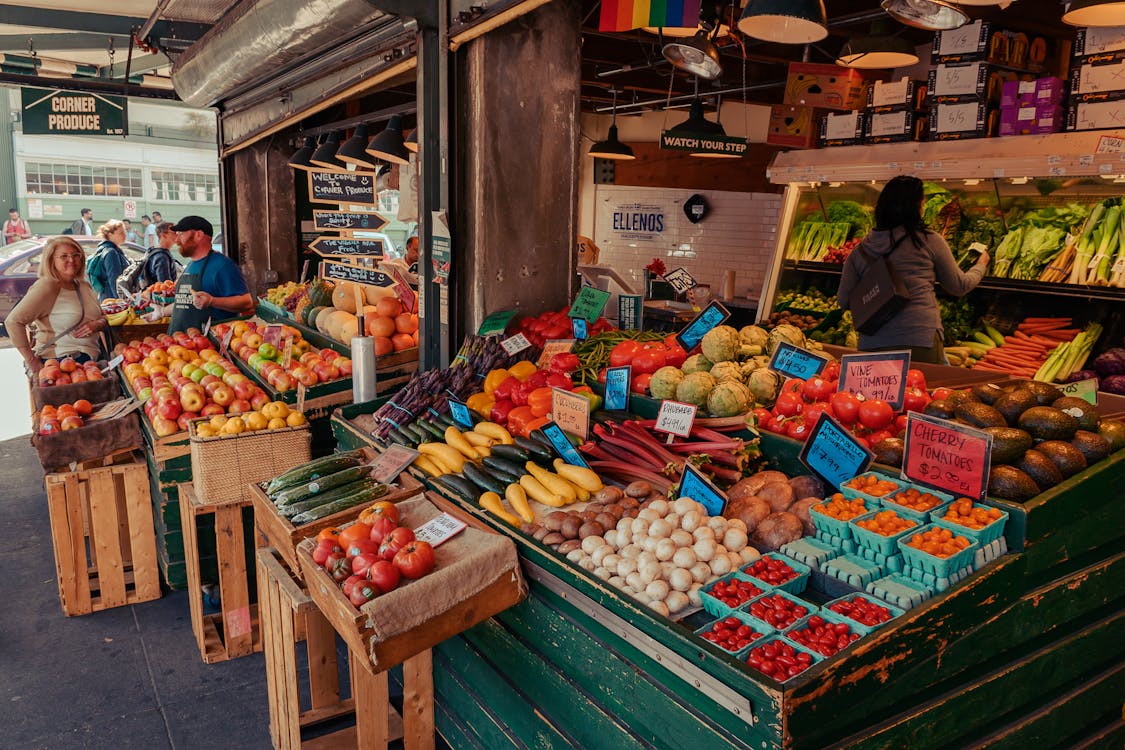
Shop farmers’ markets near closing time
Some vendors may discount ripe or remaining produce late in the day rather than pack it up. Ask politely whether there are end-of-day specials, mixed boxes or seconds available. Discounts are never guaranteed, but a friendly question can uncover good value.
- Bring a flexible list so you can use what is available.
- Inspect produce and plan to cook very ripe items soon.
- Compare the price by weight or quantity—not only by basket.
Compare weekly flyers
Spend five minutes comparing the produce specials at stores you realistically visit. Walmart, Real Canadian Superstore and Costco can each be the best choice for different items and quantities. Let this week’s deals shape part of your menu instead of visiting several stores to chase every small discount.
Write down only the strongest two or three offers. Remember to include travel time, fuel, membership costs and package size when deciding whether a deal is truly worthwhile.
Use the unit price, not the package price
A lower sticker price can hide a smaller package. Compare the cost per kilogram, per 100 grams or per item when the vegetables are similar. If the shelf label does not show a unit price, use your phone calculator:
Only choose the larger pack when the price per unit is better and you can use or freeze it before quality drops.
Embrace “ugly” produce and discount racks
Misshapen carrots, small peppers and blemished squash can still be excellent for soups, sauces, curries and roasting. Check reduced-produce racks for items that are ripe but still usable, then buy only what you can prepare quickly.
- Skip anything mouldy, slimy or strongly off-smelling.
- Use soft tomatoes in sauce and tired greens in cooked dishes.
- Trim minor bruises and cook the item the same day when possible.
Buy frozen vegetables when fresh is expensive
Frozen peas, spinach, corn, broccoli and mixed vegetables are convenient alternatives when fresh options are out of season or likely to spoil. They are already washed and prepared, and you can pour out only what you need.
Choose plain frozen vegetables when possible, then season them yourself. Compare the unit price and avoid assuming fresh or frozen is always cheaper—the better buy changes by vegetable, season and promotion.
Build meals around versatile vegetables
Carrots, onions, cabbage, potatoes and other sturdy vegetables often work in many meals and tend to keep longer than delicate produce. A small group of flexible basics makes it easier to use everything you buy.
- Carrots: snacks, soup, stir-fry, curry or roasting
- Cabbage: slaw, tacos, soup, noodles or sautéed sides
- Onions: a flavour base for sauces, stews and sheet-pan meals
- Potatoes: baked, mashed, roasted or added to soups
Swap expensive ingredients
Recipes are guides, not contracts. If broccoli is costly, try cauliflower, cabbage or frozen green beans. If fresh spinach is expensive, use kale in a cooked dish or frozen spinach in soup. Choose a substitute with a similar role—crunchy, leafy, sweet or hearty—rather than abandoning the meal.
Regrow green onions and grow simple herbs
A bright windowsill can help you stretch frequently used herbs. Green onions can produce more shoots when their rooted white ends are placed in shallow water for a short time, though soil supports longer-term growth. Mint, chives and parsley are approachable container herbs if you have adequate light.
Start small: grow only what you buy often. Seeds, pots, soil and indoor lighting can add up, so home growing saves money only when the setup stays simple and the harvest gets used.
Plan three meals before shopping
Check your refrigerator, freezer and pantry first. Then choose three meals that overlap ingredients—for example, peppers in fajitas, omelettes and pasta sauce. This creates variety without buying twelve unrelated vegetables.
- Shop your kitchen first
- Plan around two sale items
- Use delicate produce early
- Keep one “use-it-up” meal
Store vegetables for a longer useful life
Good storage turns a bargain into real savings. Keep your refrigerator organized so older produce stays visible. Store leafy vegetables dry, keep potatoes in a cool, dark, ventilated place, and separate damaged items before they affect the rest.
When vegetables are close to losing quality, cook them into soup, sauce, curry or a tray of roasted vegetables. Freeze suitable cooked portions in clearly labelled containers.
Split bulk purchases carefully
Large bags and warehouse packs can offer a lower unit price, but only if the food gets eaten. Split onions, potatoes, carrots or other sturdy vegetables with a friend or relative when the quantity is too large for one household.
Before buying in bulk, check the condition of the full package and agree on how it will be divided. A smaller grocery-store pack may still be the better value when storage space is limited.
Farmers’ market vs. grocery store vs. frozen
There is no single cheapest place for every vegetable. Use this comparison to match the shopping option to your needs.
| Option | Often best for | Watch for | Smart move |
|---|---|---|---|
| Farmers’ market | Local seasonal produce, flavour and direct questions about the crop | Prices vary by vendor; premium or specialty items may cost more | Compare stalls and ask about seconds, mixed boxes or late-day offers |
| Grocery store | Weekly specials, smaller quantities and one-stop shopping | Package sizes and prices can change from week to week | Check flyers and unit prices; buy only the amount you will use |
| Frozen aisle | Out-of-season vegetables, quick meals and reducing spoilage | Sauced or seasoned products may cost more and contain added ingredients | Choose plain vegetables, compare unit prices and take only what you need |
| Warehouse store | Households that can finish, freeze or split a large pack | Membership, storage space and waste risk | Calculate the unit price and make a use-or-share plan before buying |
A simple low-cost vegetable routine
Before your next grocery trip, check what you already have, scan the flyers and choose two seasonal vegetables plus one reliable frozen option. Plan three meals that share those ingredients, compare unit prices at the store and place older produce where you can see it.
You do not need to follow all twelve ideas at once. One better habit—such as shopping with a flexible list or creating an “eat first” basket—can lower waste and make fresh vegetables easier to enjoy every week.