Iron-rich foods · Anemia support
Tired all the time, pale skin, a heart that races climbing the stairs? Low iron is one of the most common nutrient shortfalls in the world — and your vegetable drawer may help more than you think. Here are the iron-rich vegetables worth eating often, how to help your body absorb their iron, and when food alone is not enough.
The short answer
Dark leafy greens are the stars: spinach, kale, Swiss chard and beet greens carry the most iron of any common vegetable, and broccoli, Brussels sprouts and green peas add useful amounts plus vitamin C and folate. Plant iron absorbs less easily than iron from meat, so pair these vegetables with vitamin C, cook spinach down, and keep tea and coffee away from iron-rich meals. One honest limit: food can support healthy iron levels, but it cannot diagnose or treat anemia on its own. If you suspect low iron, a simple blood test comes first.
Why iron matters — and why vegetables can help
Iron builds haemoglobin, the protein in red blood cells that carries oxygen from your lungs to every tissue. When iron runs low, fewer healthy red blood cells are made, bringing fatigue, weakness, pale skin and shortness of breath. Iron-deficiency anemia is the most common form of anemia, especially common in women with heavy periods, in pregnancy, and in people who eat little meat.
Vegetables will never match red meat for iron per bite. But the best of them are genuinely iron-rich for a plant food. They also arrive with the nutrients that support blood health alongside iron: folate, which the body needs to make red blood cells, and vitamin C, which helps the gut absorb plant iron.
One distinction matters throughout. Plants contain non-haem iron, meat contains haem iron. Haem iron is absorbed at roughly 15 to 35 percent; non-haem iron from plants at only 2 to 20 percent. That gap is why pairing matters: the same spinach salad delivers noticeably more iron with lemon juice on it than without.
Iron snapshot: what the numbers say
Values below are approximate, for raw vegetables unless stated.
Iron per 100 g (approximate)
No single vegetable fixes low iron, but a plate combining two or three of these foods with vitamin C, eaten most days, adds up to a meaningful share of daily iron.
7 best iron-rich vegetables for anemia
Ranked by iron content, serving size and what else each brings to blood health. Amounts are approximate.
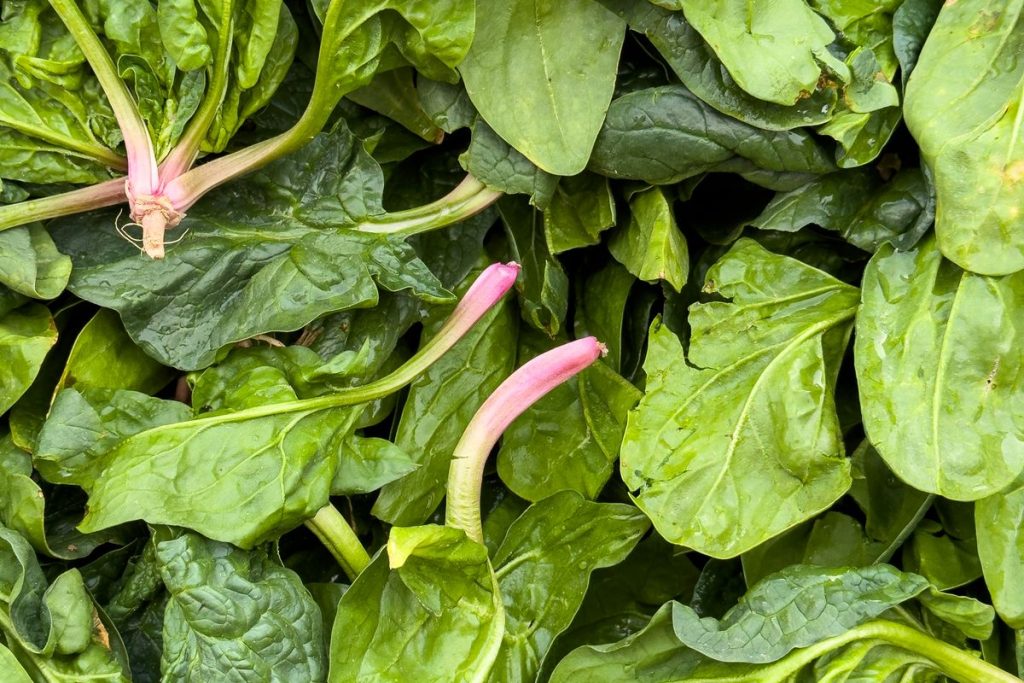
Spinach — the iron champion
About 2.7 mg of iron per 100 g raw, plus folate, vitamin K and magnesium — the best numbers among common greens. Cook it and the advantage grows, because a mountain of raw leaves wilts into a modest, iron-dense serving. Wilt into dals, soups and curries, or sauté with garlic and lemon.
Kale — sturdy, versatile, generous
About 1.5 mg of iron per 100 g raw, along with vitamin C in the same leaf — a handy combination, since vitamin C helps the body absorb plant iron. Kale also brings calcium, vitamin K and fibre, and works in soups, stews, roasted chips and salads. Our comparison of spinach vs kale vs moringa looks at how the great greens stack up; for iron, eat both.
Swiss chard — the underrated leaf
About 1.8 mg of iron per 100 g raw — more than kale — plus magnesium, potassium and vitamins A, C and K. Its flavour sits between spinach and beet greens: earthy but mild, with stems that stay crunchy when the leaves wilt. Sauté stems first, add leaves a minute later, finish with lemon and olive oil.
Beetroot and beet greens — two iron foods in one
Buy beets with their tops attached and you get two iron foods for one price. The root is modest in iron but rich in folate, while the greens are the real prize — dark, spinach-like leaves with iron comparable to chard. Wash well, chop like spinach, and wilt into the same pan as the roasted roots.
Broccoli — modest iron, brilliant company
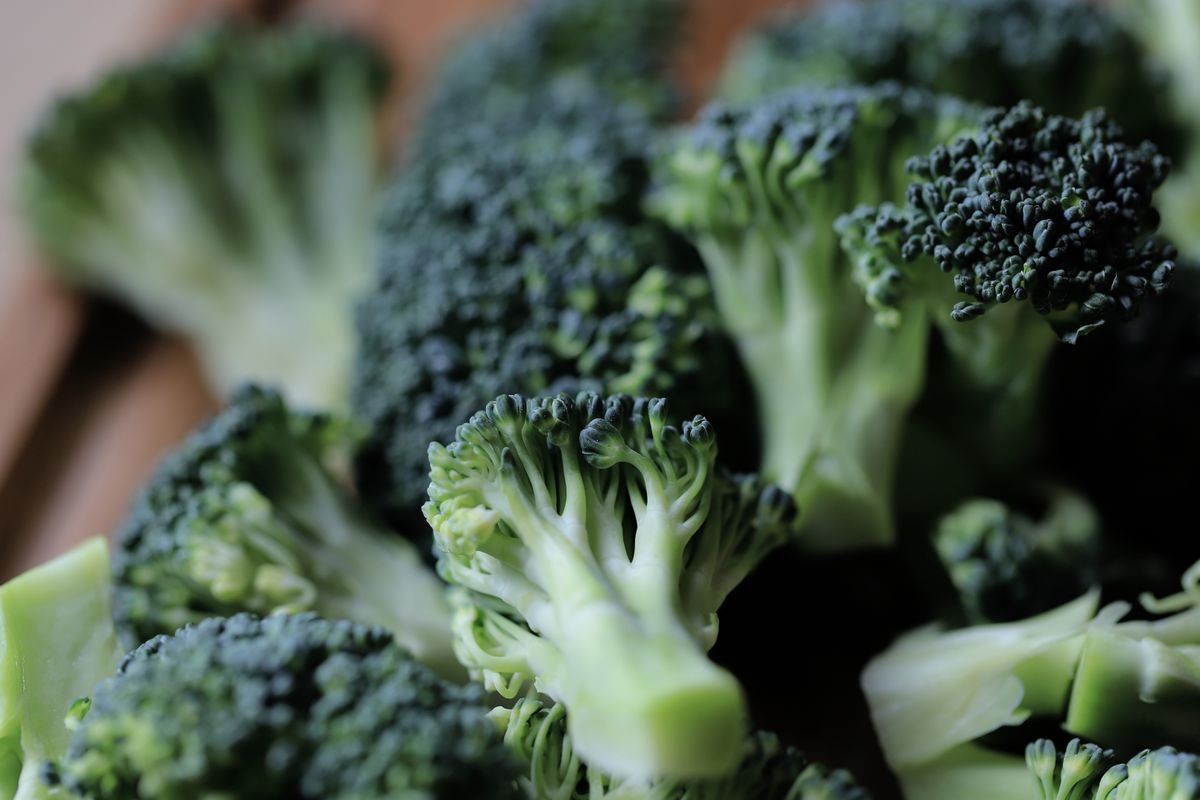
Roughly 0.7 mg of iron per 100 g — not the highest here, but exceptionally rich in vitamin C, with a cup providing well over a day’s worth. That vitamin C helps your gut absorb iron from everything else on the plate, so serve broccoli with lentils, beans or spinach.
Brussels sprouts — small, mighty, vitamin C-rich
About 1.2 mg of iron per 100 g, plus folate and a generous dose of vitamin C — the pairing that matters for plant iron. Roasted until crisp with olive oil and salt, they are genuinely delicious: halve, roast cut-side down, and finish with lemon juice or vinegar.
Green peas — sweet, easy, family-friendly
About 1.5 mg of iron per 100 g, along with protein, fibre and folate. Frozen peas need no prep, cook in two minutes, and disappear into rice, pasta, soups, curries and fried rice. For children and picky eaters, peas are often the most acceptable iron-rich vegetable — and frozen peas are just as good as fresh.
Ways to eat iron-rich vegetables every day
Five habits that fold these vegetables into food you already cook:
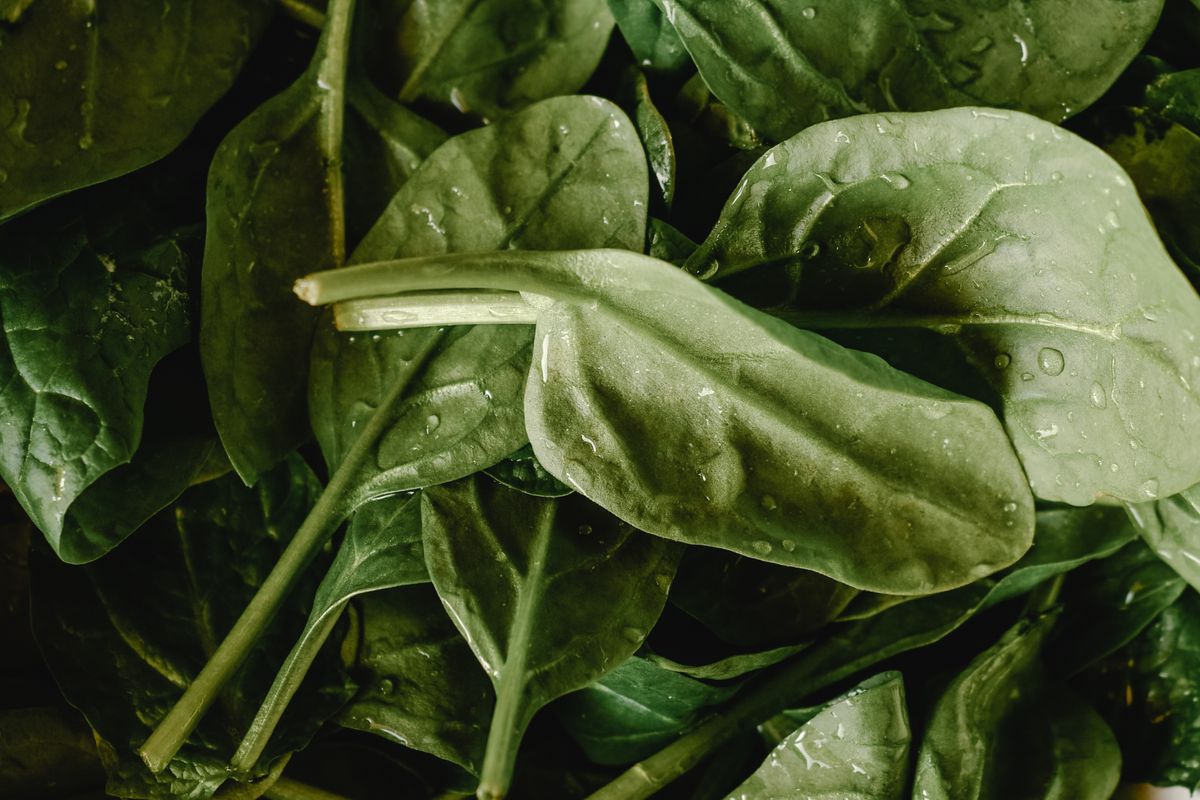
Wilt greens into hot dishes
Stir a big handful of spinach, chard or beet greens into dal, soup, stew or pasta in the last two minutes of cooking. They wilt to almost nothing and make an ordinary meal iron-richer.
Build salads around citrus
Pair raw spinach or kale with orange segments, strawberries, bell pepper strips or a lemon-olive oil dressing. The vitamin C helps your body absorb the iron in the leaves.
Roast a tray of brassicas
Broccoli and Brussels sprouts roasted with olive oil, salt and garlic become a side dish people ask for again. A squeeze of lemon at the end adds vitamin C.
Blend greens into smoothies
A handful of spinach disappears into a smoothie with banana, berries and milk or yogurt.
Keep frozen peas on standby
Frozen peas are the emergency iron vegetable: no washing, no chopping, two minutes in the pan. Stir them into rice, noodles, omelettes or soup.
How to help your body absorb plant iron
Because plant iron absorbs less easily than iron from meat, the company your vegetables keep matters. Three habits make the biggest difference:
- Pair every iron-rich meal with vitamin C. Citrus fruit and juice, bell peppers, tomatoes, broccoli and strawberries help convert plant iron into a form the gut absorbs more easily.
- Keep tea and coffee away from iron-rich meals. The tannins in tea and the polyphenols in coffee can cut non-haem iron absorption substantially. Leave an hour or two between your cup and your meal.
- Cook spinach, and vary your sources. Cooking reduces spinach oxalates that partly block iron absorption, and concentrates the leaves so you eat more iron per serving.
Cautions worth knowing
SUBI Greens Superfood Powder — 40 Day Supply
If busy days make fresh greens hard to manage, this is an easy backup:
- Made in Canada from whole foods including kale, spinach, broccoli and sweet potato
- Stirs into water, smoothies or yogurt in seconds — a practical greens top-up on days when cooking does not happen
- One bag covers 40 days, so it is a simple routine to keep
As an Amazon Associate I earn from qualifying purchases.
Frequently asked questions
Can vegetables alone treat anemia?
Food can support healthy iron levels and may help mild, diet-related shortfalls improve, but established anemia usually needs medical assessment and often treatment beyond food — iron tablets, treatment of the underlying cause, or B12 and folate correction. Vegetables are a foundation, not a substitute for diagnosis.
Is cooked spinach better than raw for iron?
For iron, yes. Cooking wilts a large volume of leaves into a small serving, so you eat more iron per bite, and heat reduces oxalates that partly block absorption. Raw spinach is still excellent, but cooked spinach gives you more iron per serving.
Does tea really block iron absorption?
Tea can reduce non-haem iron absorption noticeably, because tannins bind iron in the gut; coffee has a smaller effect. The fix is timing: keep tea and coffee an hour or two away from iron-rich meals.
Bottom line
Start with spinach, kale, chard and beet greens, add broccoli, Brussels sprouts and peas through the week, and always give them vitamin C company and a little distance from your tea. That pattern is one of the most practical ways food can support healthy iron levels. And if fatigue, paleness or breathlessness persist, let a blood test, not a blog post, decide what happens next.
Sources and further reading
Figures below are approximate, for general education.
- USDA FoodData Central. Nutrient profiles for spinach, kale, Swiss chard, broccoli, Brussels sprouts and green peas — the source for the approximate values in this article.
- Health Canada. Guidance on vegetables, fruit and plant-based eating, and on iron in the Canadian diet.
- Mayo Clinic. Health information on iron-deficiency anemia, its symptoms, testing and treatment, including cautions about iron supplements.