

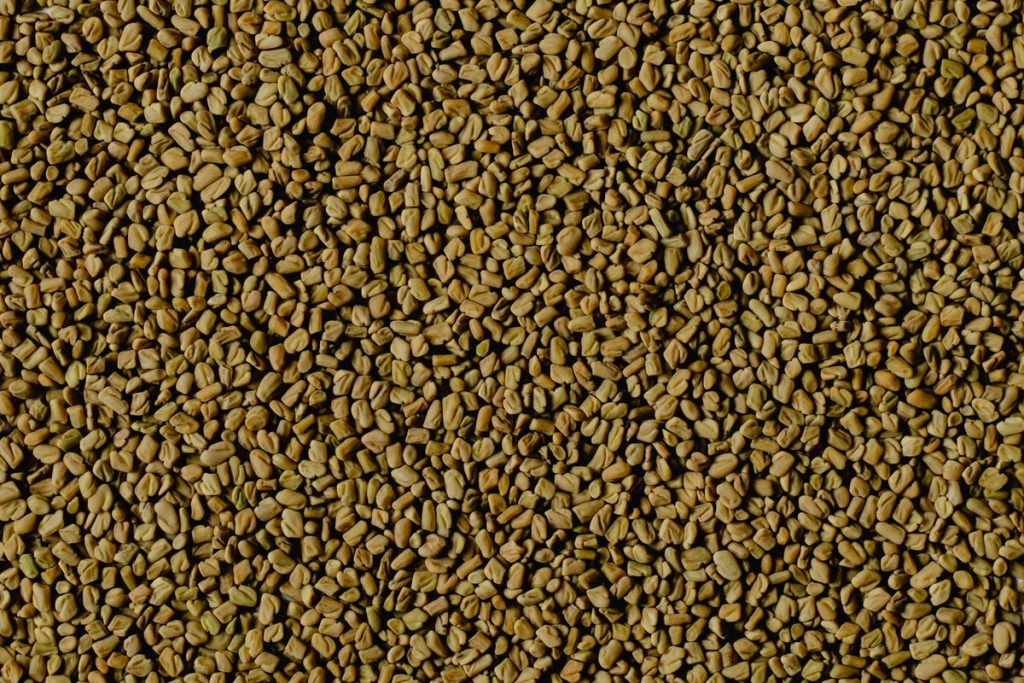
Seeds, spices & everyday health
Methi — fenugreek — is the small golden seed behind a thousand Indian kitchens: tempered into dal, kneaded into parathas, soaked overnight into a morning drink. Here is what it may offer, how to use it, and where to be careful.
The short answer
Methi seeds are unusually rich in soluble fibre, plant protein, iron and magnesium for such a small ingredient, and their leaves add fresh green nutrition on top. Research suggests fenugreek may help support healthy blood sugar and cholesterol, digestion and appetite, though much of the human evidence is still small-scale. Used as food, it is a flavourful, affordable addition to a varied diet, not a medicine and not a cure.
One seed, three ingredients
Walk into almost any Indian kitchen and methi is there in more than one form. The hard golden seeds go into tadka, pickles and spice blends. The fresh green leaves — methi bhaji — become aloo methi, methi dal and fragrant parathas. And the dried leaves, kasuri methi, crushed between the palms at the end of cooking, give curries and paneer dishes their warm, slightly bitter depth.
All three come from the same plant, Trigonella foenum-graecum, a legume grown for thousands of years across India, the Middle East and the Mediterranean. Like karela, another famously bitter food, its bitterness is a clue, not a warning — the compounds behind the taste are part of what researchers are now studying.
Where studies are small, this article says so. What remains is still impressive: a pantry staple that may support blood sugar, digestion and heart health, for pennies a serving.
Nutrition snapshot
Values below are for 100 g of fenugreek seeds. A typical serving is just 1 teaspoon, about 3.5 g — divide these figures by roughly 28 for a single serving.
Per 100 g fenugreek seeds (approximate)
The headline nutrient is soluble fibre, especially galactomannan, which forms a gel in the gut — behind several effects below, from slower digestion to steadier fullness and a gentler blood-sugar rise after meals.
7 reasons methi belongs in your kitchen
Each reason pairs what fenugreek may support with the way people actually eat it. Nothing here replaces medical care.
May support steadier blood sugar
This is fenugreek’s best-studied claim. Small trials have found that soaked, ground or powdered seed may help lower fasting blood sugar and soften the rise after meals, probably because soluble fibre slows carbohydrate digestion. Methi is a supportive food, never a diabetes treatment.
May support healthy cholesterol
Several small studies have reported modest improvements in total and LDL cholesterol with regular fenugreek intake, plausibly linked to soluble fibre. The effect is modest — one more reason to eat a fibre-rich diet overall.
Fibre that helps digestion and fullness
A teaspoon of seeds soaked overnight swells into a soft, gel-like spoonful that can help keep bowel movements regular and help you feel full longer. Some small studies have found reduced appetite with fenugreek fibre, which may support weight management as part of an overall pattern.
Iron and plant protein for everyday energy
Low iron is a common, fixable cause of tiredness, and fenugreek seeds are a concentrated plant source. Pairing methi with vitamin C — lemon in methi water, tomatoes in methi dal — may help absorption. Methi will not fix anaemia on its own, and persistent tiredness deserves a blood test.
A traditional ally for skin and hair
Fenugreek paste has been used for generations as a hair mask and skin soother. A soaked-seed paste may help hair feel softer and a dry scalp feel calmer. Evidence here is largely traditional, so patch-test first.
May help calm everyday inflammation
Fenugreek contains saponins, flavonoids and other plant compounds with antioxidant activity in laboratory studies, and a few small human studies have reported lower inflammation markers. That is far from proving a treatment, but diets rich in spices, legumes and greens are linked with better long-term health.
Traditionally valued for women’s health
In traditional practice, fenugreek is one of the best-known foods associated with breastfeeding support, and some small studies have reported increased milk production, though results are mixed. It is also traditionally used around menstruation and menopause. Anyone pregnant, breastfeeding or taking hormonal medication should talk with their doctor first.
Ways to use methi — without the bitterness winning
Methi’s bitterness is real, and manageable. The trick in every Indian kitchen is balance: a little methi, plenty of companions — onion, garlic, tomato, lemon or cream — and never methi alone in large amounts.
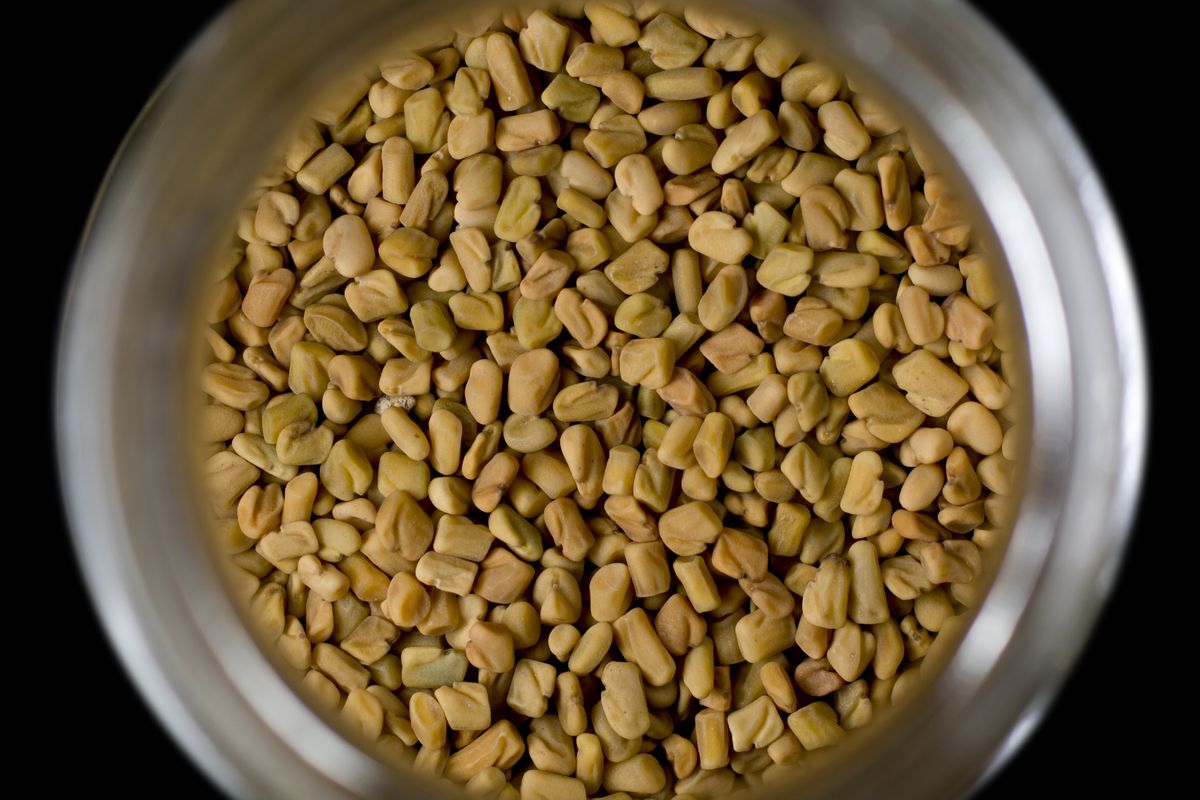
Methi water — the overnight soak
Soak 1 teaspoon of seeds in water overnight, then drink the water in the morning and chew the softened seeds, or stir them into yogurt. Start with half a teaspoon if the taste is new to you.
Fresh leaves — aloo methi and dal
Strip the leaves, wash well, and cook briefly: potatoes with methi, methi dal with tomatoes and garlic, or leaves kneaded into paratha dough. Fresh leaves are far milder than seeds — the friendliest entry point if bitterness puts you off.
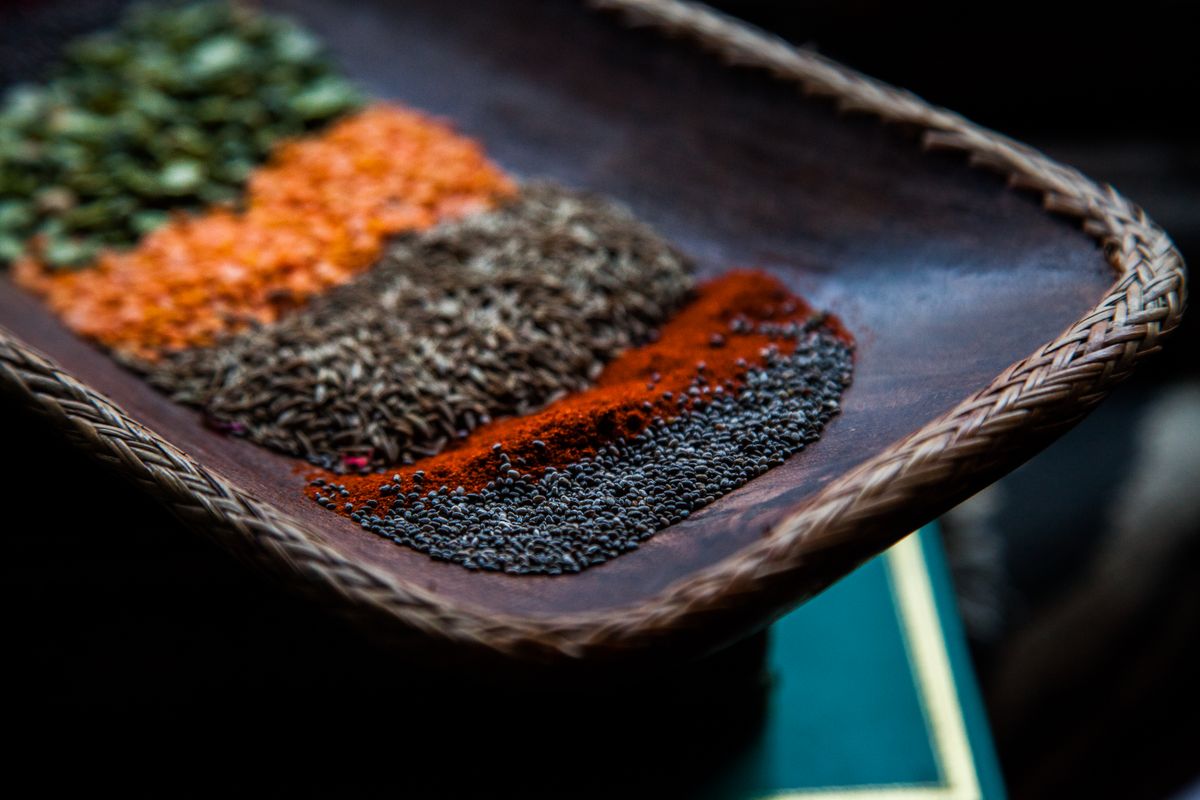
Kasuri methi — the finishing touch
Crush a tablespoon of dried leaves between your palms and stir them into a curry, dal or paneer dish in the last two minutes of cooking. The heat releases a warm, savoury aroma quite different from raw bitterness, and a little goes a long way.
Tadka and pickles
A pinch of whole seeds crackled in hot oil or ghee with mustard seeds and cumin is the base of many dals. The seeds also feature in pickles and spice blends, where vinegar, chilli and mustard balance their bitter edge.
Sprouted methi
Soak seeds overnight, drain, and keep them damp in a covered bowl for a day or two until tiny sprouts appear. Sprouted methi is milder and slightly nutty, lovely in salads, chaat or sandwiches, and traditionally easier to digest.
Powder, tea and hair paste
Ground methi can be stirred into curries, a morning smoothie, or tea with ginger and lemon. For hair, soak seeds overnight, grind to a paste, apply for 20–30 minutes, then rinse — a traditional weekly routine.
How much is sensible?
As food, a good everyday range is 1 teaspoon of seeds a day — soaked, sprouted or cooked — or a handful of fresh leaves in a meal, a few times a week. For powder, half a teaspoon to 1 teaspoon daily is a sensible start. More is not automatically better: large amounts bring more bitterness and stomach upset. Buy whole seeds when you can; they keep for months in an airtight jar.
Cautions worth knowing
Artisan Tradition Organic Fenugreek Seeds (For Sprouting) — 250 g
The simple way to start the methi habits in this article:
- Whole organic fenugreek seeds — soak, sprout, or grind them fresh
- Suitable for sprouting, so one bag covers both methi water and sprouted methi
- 250 g bag — at a teaspoon a day, that is many weeks of methi water and cooking
As an Amazon Associate I earn from qualifying purchases.
Frequently asked questions
Can I drink methi water every day?
For most healthy adults, yes — a teaspoon of seeds soaked overnight and taken in the morning is a traditional daily habit. Keep the amount modest, and follow the cautions above if you are pregnant or take diabetes or blood-thinning medication.
Do I need to soak fenugreek seeds?
Soaking is not essential, but it helps: soaked seeds are softer, easier to digest, and their soluble fibre is already hydrated. Whole dry seeds can go straight into tadka or pickles, where cooking softens them. For methi water and sprouting, soaking is the whole point.
Seeds, leaves or kasuri methi — which is healthiest?
They serve different purposes. Seeds are richest in soluble fibre and iron; fresh leaves bring leafy-green vitamins with a milder taste; kasuri methi adds flavour in small amounts. The healthiest choice is the form you will actually cook with regularly — ideally, rotate all three.
Does fenugreek really help diabetes?
It may help a little. Small studies suggest fenugreek can support steadier blood sugar, but the research is early, doses vary, and effects are modest. Enjoy methi as a supportive food — it is not a treatment, and it never replaces medication, monitoring or your doctor’s advice.
Bottom line
Methi does not need exotic status to earn its place: a teaspoon of golden seeds, a handful of fresh leaves, a pinch of kasuri methi — small, cheap, flavourful habits that may support blood sugar, digestion and cholesterol. Start small, balance the bitterness, and respect the cautions.
Sources and further reading
Nutrition values and guidance here reflect the following references. Figures are approximate and for general education.
- USDA FoodData Central. Nutrient profile for fenugreek seeds — the source for the approximate values in the nutrition snapshot.
- Health Canada. Guidance on vegetables, fruit, legumes and plant-based eating as part of a balanced dietary pattern.
- Mayo Clinic. Consumer health information on dietary supplements, including cautions about interactions with prescribed medication.