

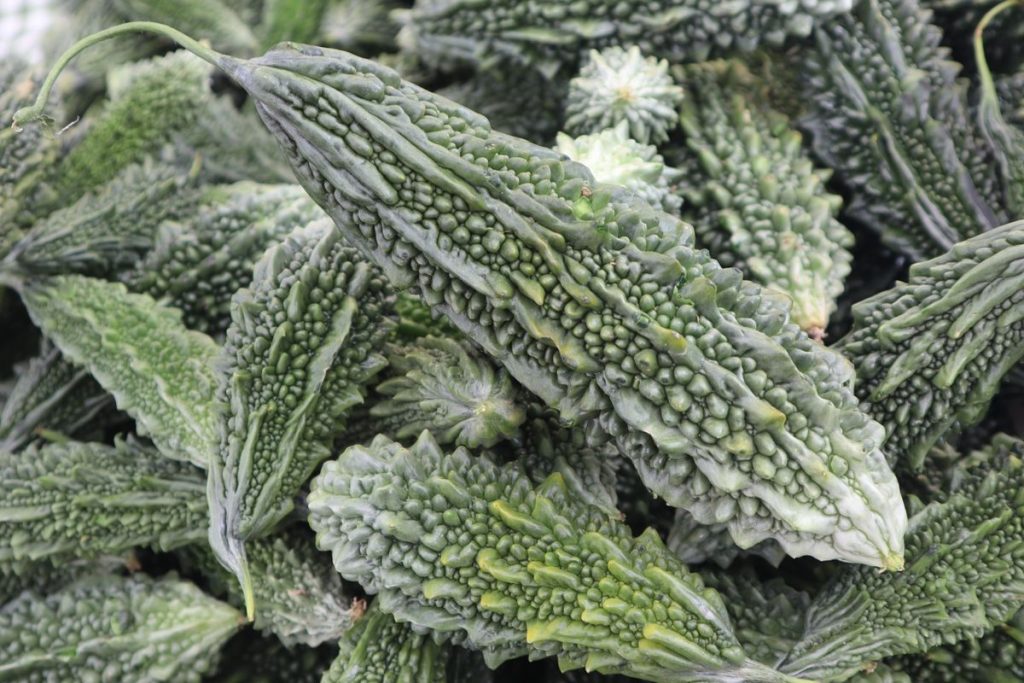
Diabetes-friendly vegetables
Karela is the vegetable most people are warned about — and the one many families with diabetes swear by. Here is what bitter gourd can genuinely do for blood sugar, how to cook it so you actually enjoy it, and the cautions that matter.
The short answer
Karela — bitter gourd, or bitter melon — is a very low-calorie, high-fibre vegetable rich in vitamin C and folate, with plant compounds that may help support healthy blood sugar. Small human studies suggest it can modestly soften blood-sugar rises, but the evidence is still early. Eaten regularly as part of a balanced diet, it is a genuinely useful diabetes-friendly food — not a treatment, and never a replacement for medication, monitoring or medical advice.
The vegetable everyone warns you about
Ask an Indian family about karela and you will get two reactions at once: a face, and a recipe. The face is for the bitterness — unmistakable, and famously hard to love at first taste. The recipe is usually a grandmother’s: bharwan karela stuffed with spiced onion and besan, or a morning glass of fresh karela juice taken before breakfast. In much of South Asia, karela has been a diabetes household remedy for generations.
Modern research has caught up part of the way. Karela contains compounds researchers believe act on blood sugar — charantin, vicine and a plant protein called polypeptide-p, sometimes described as plant insulin because it behaves a little like insulin in laboratory studies. That does not make karela a medicine, but it gives the traditional habit a plausible basis. Karela also earns its place in our broader guide to vegetables for diabetes that help control blood sugar, where it sits alongside gentler-tasting staples.
Nutrition snapshot
Values below are for 100 g of raw bitter gourd — about one small karela. Figures are approximate.
Per 100 g raw bitter gourd (approximate)
Most of karela’s weight is water, so it can fill a plate — or a glass, as juice — without filling the calorie budget.
7 reasons karela may help blood sugar
Each reason below separates what the research suggests from what it has proven. Where the evidence is early, the wording says so.
Plant compounds that may support glucose control
Karela’s best-studied feature is its trio of blood-sugar compounds: charantin, vicine and polypeptide-p. In laboratory and animal studies these appear to help glucose move into cells. Small human trials have found modest improvements in fasting and after-meal readings, but the trials are few and short — so karela is best described as a supportive food, not a proven therapy.
Fibre that slows the sugar rush
The fibre in karela slows digestion, which can help blunt the rise in blood sugar after a meal. This is the least glamorous mechanism and the most reliable one. A karela sabzi eaten with dal and roti will generally raise blood sugar more slowly than the same meal without a fibrous vegetable alongside it.
Very low in calories and carbohydrates
At roughly 17 calories and under 4 g of carbohydrate per 100 g, karela is one of the easiest vegetables to add generously. For people watching weight — one of the biggest levers in type 2 diabetes — a vegetable you can eat a full portion of without worry is genuinely valuable.
Vitamin C and antioxidants for everyday protection
With about 84 mg of vitamin C per 100 g, karela is richer in this vitamin than many common vegetables. Vitamin C supports immune function and collagen formation, and karela’s antioxidants may help counter the oxidative stress that tends to run higher in diabetes.
May support healthier cholesterol
Early studies, mostly in animals with a few small human trials, suggest karela may help lower total cholesterol and triglycerides modestly. Think of it as one more heart-friendly vegetable in the rotation, not as a substitute for prescribed treatment.
Digestion and gut support
Traditional use of karela has long included digestion, and its fibre supports regular bowel movement. If karela upsets your stomach, the answer is usually a smaller portion, cooked well, rather than a large glass of raw juice on an empty stomach.
Cheap, available and already in the cuisine
The most useful diabetes-friendly food is the one people actually eat. Karela is inexpensive, widely stocked in South Asian grocery stores in Canada, keeps for a week in the fridge, and already belongs to a whole cuisine of recipes.
Ways to eat karela without dreading it
Bitterness is the whole problem, so every method below is really a bitterness strategy. The classic first step is the same in most of them: scrape the skin lightly, slice, salt generously, rest for 20 to 30 minutes, then squeeze and rinse.
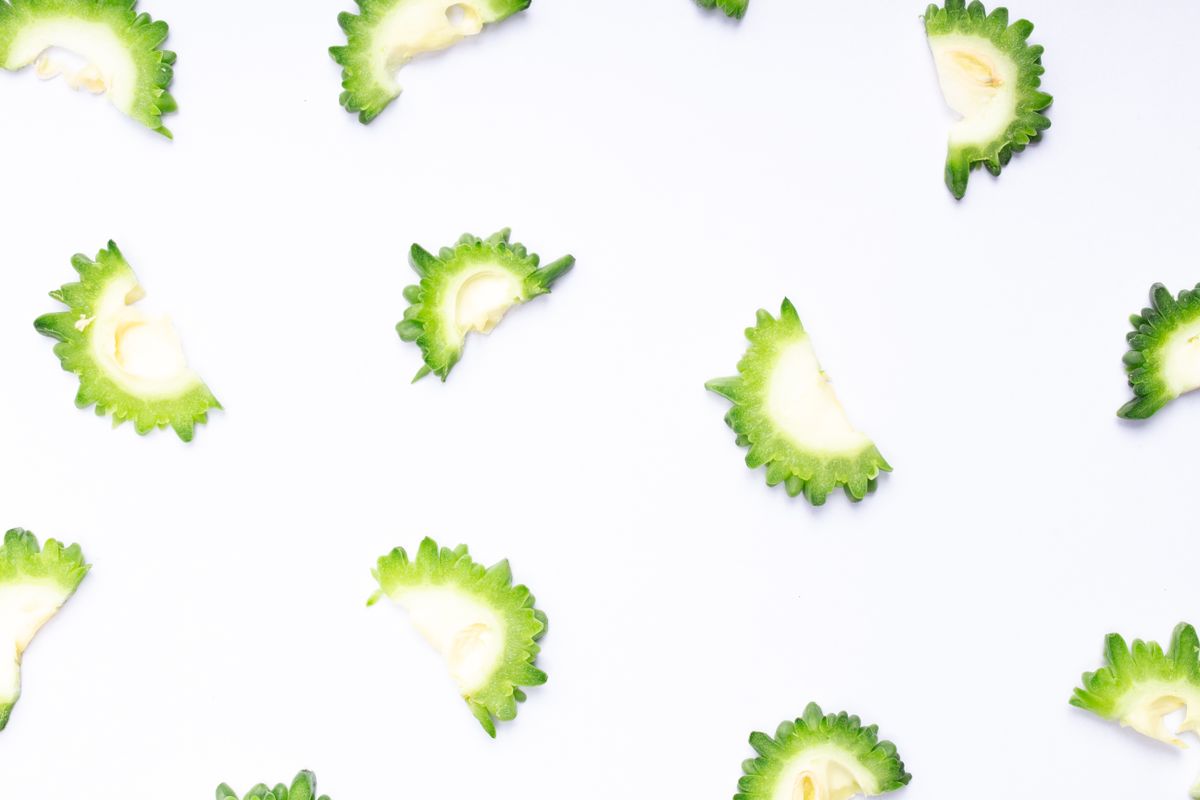
Karela juice — the morning ritual
Blend one small karela with a little water, strain, and add lemon juice and a pinch of salt or black salt. Start with about half a cup a few mornings a week, not a large glass daily. Adding cucumber, amla or a little apple softens the taste. Never drink large amounts on an empty stomach if you take diabetes medication.
Bharwan karela — stuffed and pan-fried
Slit whole small karelas, scoop out the seeds, stuff with roasted onion, besan, amchur, coriander and garam masala, and pan-fry slowly until tender. The sweet-sour filling balances the bitterness, and this is the version that converts the most sceptics.
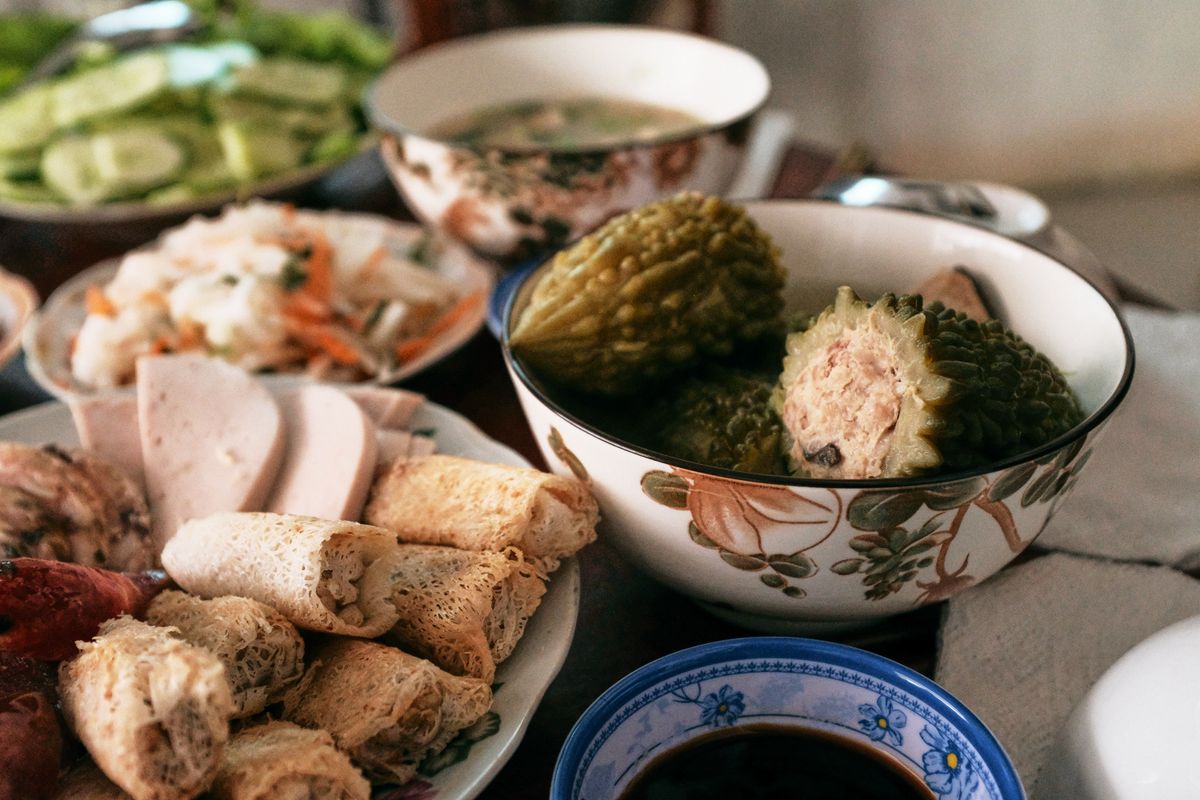
Karela sabzi — quick stir-fry
Thinly sliced karela, salt-rested and squeezed, stir-fried with onion, garlic, turmeric and jaggery or amchur at the end. The onion caramelises, the jaggery rounds the edge, and the result is a dry sabzi that pairs with roti or dal-rice.
Crispy karela chips
Slice very thin, salt-rest, toss in a little besan and spices, and air-fry or shallow-fry until crisp. The crunch distracts from the bitterness, and children tend to accept this version first. Keep the oil modest — crisp does not cancel calories entirely.
In dal, kadhi and curries
A handful of sliced karela simmered into dal or tangy kadhi adds bitterness in a diluted way — the gentlest introduction of all. The lentils add protein and fibre that further steady blood sugar.
Karela powder and tea
Dried karela powder — about half a teaspoon stirred into warm water, soup or a smoothie — is the pantry form for weeks when fresh karela is out of stock. Tea from dried slices is milder still, and powder keeps for months in an airtight jar away from light.
How much is sensible?
As a cooked vegetable, one small karela — roughly 100 g — in a meal, two or three times a week, is a natural amount. As juice, start with half a small glass (about 60 to 90 ml) a few mornings a week, building up only if it agrees with you and your readings stay steady. As powder, half a teaspoon a day is a sensible start. More is not automatically better. Choose firm, bright green karelas and store them in the fridge for up to a week.
Cautions worth knowing
Vedic Juice Bitter Gourd (Karela) Juice, 1000 ml
The ready-to-drink form of this article’s morning ritual, for weeks when juicing fresh karela at home is not practical:
- Ready-to-drink karela juice — the same morning-glass form the article recommends, without the juicer and the straining
- USDA Organic certified, with at least 95% organic material, per the product listing
- Generous 1000 ml bottle that lasts for many small morning servings
As an Amazon Associate I earn from qualifying purchases.
Frequently asked questions
Does karela cure diabetes?
No. Karela may modestly support healthy blood sugar as part of a balanced diet, but it does not cure diabetes or replace medication, monitoring or medical care. Anyone who promises a cure from a vegetable is selling something, not citing evidence.
Is karela juice better than cooked karela?
Juice is more concentrated, which is both its appeal and its risk: it delivers the bitter compounds faster and drops the fibre. Cooked karela keeps the fibre, is gentler on the stomach, and is the form most people sustain for years.
How often should I eat karela?
Two or three times a week as a cooked vegetable is a comfortable, traditional rhythm. Daily juice is not necessary, and for most people it is more than the evidence supports. Consistency over months matters more than intensity over days.
Should I eat the seeds?
Most recipes remove them, and that is good practice: the seeds are the most bitter part, and they carry vicine, linked to reactions in people with G6PD deficiency. Scoop them out, and enjoy the flesh — that is where the food value lives.
Bottom line
Karela will never be anyone’s favourite vegetable — and it does not need to be. Eaten a few times a week, cooked well and salt-rested, it is a cheap, low-calorie, fibre-rich vegetable that may modestly support blood sugar. Respect the cautions, keep portions sensible, and let this bitter gourd earn its place on merit, not on miracle claims.
Sources and further reading
The nutrition values and guidance in this article reflect information published by the following references. Figures are approximate and for general education.
- USDA FoodData Central. Nutrient profile for bitter melon (balsam-pear, raw) — the source for the approximate values in the nutrition snapshot.
- Health Canada. Guidance on vegetables, fruit and plant-based eating as part of a balanced dietary pattern.
- Mayo Clinic. Consumer health information on diabetes self-management and cautions about dietary supplements and interactions with prescribed medication.