
Liver health & everyday eating
Fatty liver often arrives quietly — no dramatic symptoms, just a note on a scan or blood test. There is no vegetable that can clear fat from the liver on its own, but the foods you eat every day may help support the organ that does so much quiet work for you. Here are seven vegetables worth putting on your plate.
The short answer
Fatty liver — fat building up in liver cells, now often called MASLD when linked to metabolic health — is closely tied to eating patterns, body weight, blood sugar and cholesterol. A diet rich in vegetables, low in added sugars and highly processed foods, and steady over months may help support liver health. The seven vegetables below are rich in fibre, antioxidants and plant compounds studied for their links to liver fat and inflammation. They support, but never replace, medical care.
Why food matters for a fatty liver
The liver is your body’s processing plant: it handles fats, sugars, medicines and alcohol, stores energy, and helps clear waste. When more fat arrives than the liver can process — often alongside extra body weight, high blood sugar or high triglycerides — fat collects inside liver cells. Over time that build-up can irritate the liver and, in some people, lead to inflammation or scarring, which is why doctors take it seriously even when you feel fine.
Food matters because it changes what the liver has to process. Vegetables add fibre, which can help slow sugar absorption and support steadier blood sugar, and volume and nutrients for relatively few calories, which can support gradual weight management — one of the most consistently helpful steps for fatty liver. Their plant compounds, from sulforaphane in broccoli to betalains in beets, are also studied for calming inflammation and supporting the liver’s antioxidant defences. Because fatty liver so often travels with cholesterol problems, our guide to vegetables that may help lower cholesterol naturally makes a useful companion read.
Nutrition snapshot
These are the nutrients and compounds that keep showing up in liver-friendly eating patterns. No single one does the job alone — it is the combination, eaten often, that may help.
Aim for colour and variety: deep green, orange, red and white vegetables each bring a different set of protective compounds.
7 vegetables that may help a fatty liver
Each vegetable below earns its place through nutrients, plant compounds, or both — and through being easy to cook often, which matters more than any single nutrient.
Broccoli
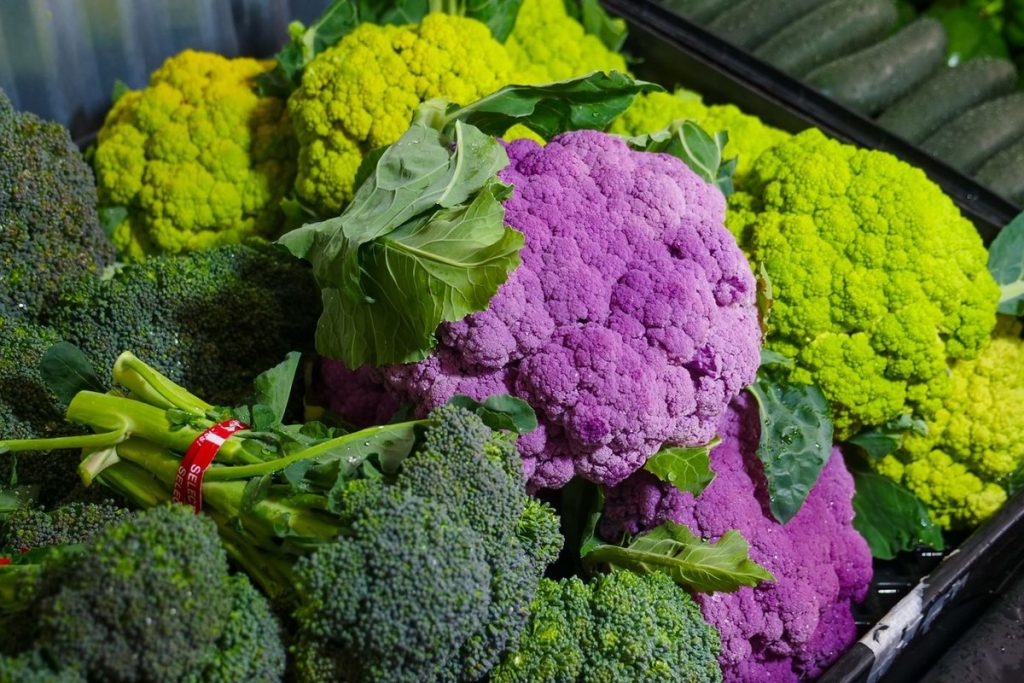
Broccoli is the liver-friendly headliner. It is rich in sulforaphane, a compound researchers have studied for supporting the liver’s detoxification pathways and calming inflammation, and it also brings fibre, folate and vitamin C. Animal studies suggest cruciferous vegetables may help reduce liver fat, though human evidence is still developing. Steam it lightly or roast it — overcooking dulls both flavour and nutrients.
Brussels sprouts
Brussels sprouts share broccoli’s glucosinolate family and add a generous dose of fibre and vitamin K. Their slight bitterness is a sign of the same compounds researchers study for liver support. Halve them, toss with olive oil and roast until the outer leaves crisp — the bitterness mellows beautifully, and they pair well with garlic and lemon.
Spinach
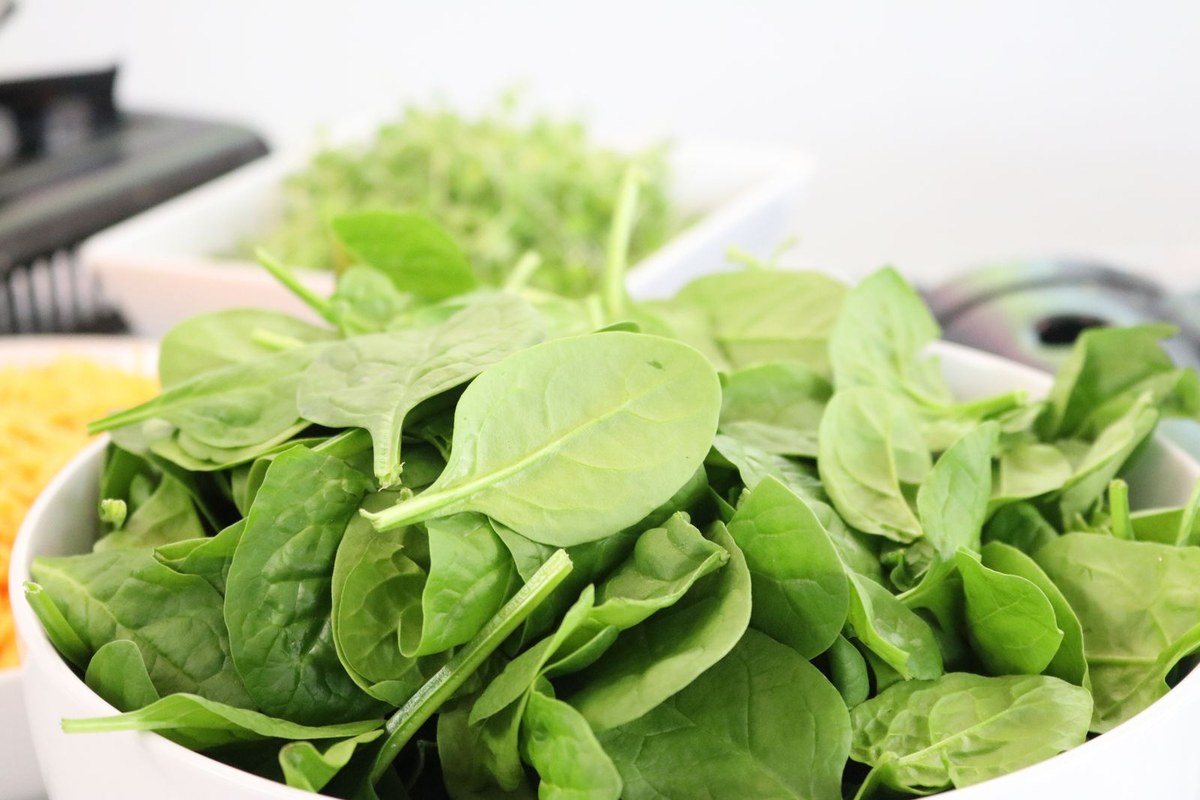
Spinach is one of the most practical liver-friendly foods there is. It supplies folate, magnesium, iron and antioxidants in a soft leaf that cooks in minutes, and its nitrates may help support healthy blood flow. A handful wilted into soup, dal or eggs is one of the simplest healthy habits — and frozen spinach keeps nearly all of the benefit, so there is rarely an excuse to skip it.
Beetroot
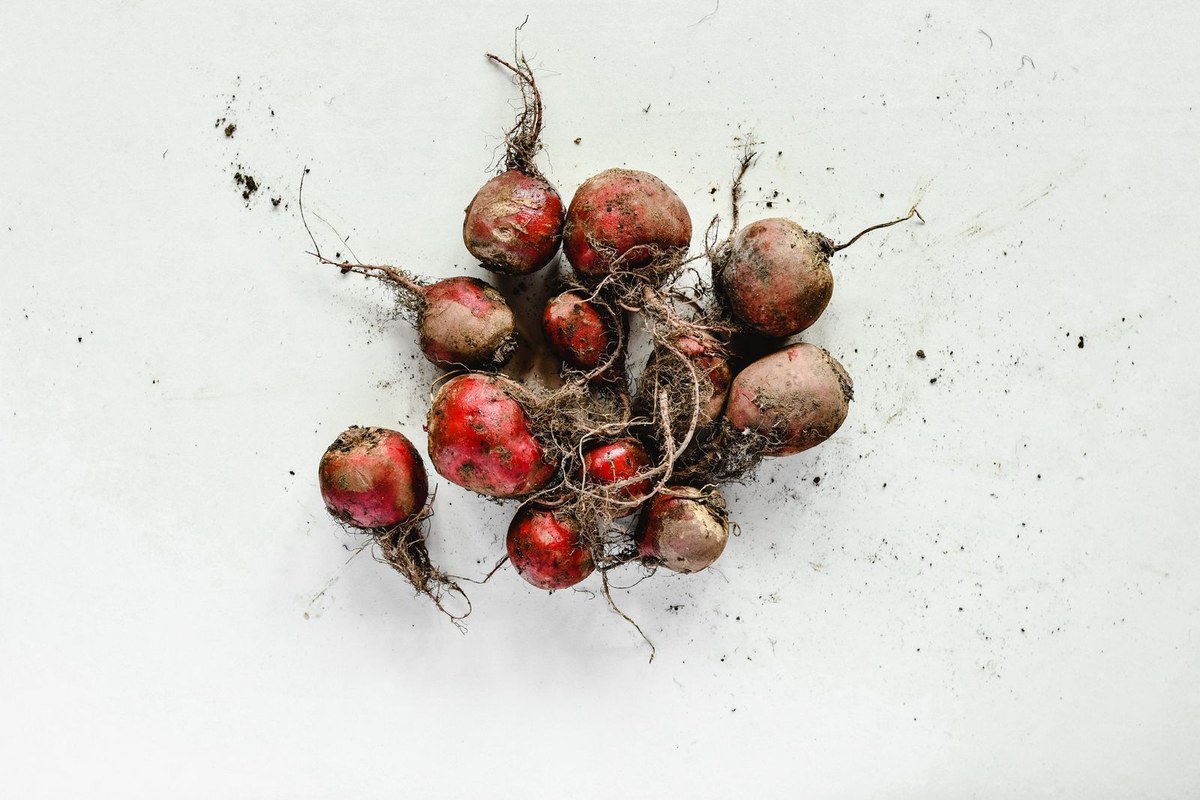
Beets get their deep colour from betalains, plant pigments studied for antioxidant effects and for supporting the liver’s handling of fats. They also supply folate and nitrates. Roasted beets in salads, grated raw into slaw, or blended into soup are all easy ways to eat them weekly. Beet juice is popular too, but whole beets bring fibre that juice leaves behind.
Garlic
Garlic may be small, but studies of its compounds — including allicin, released when garlic is crushed — have linked it with healthier blood fats and less liver fat in people with metabolic concerns. It also makes everything else taste better, and food you enjoy is food you keep eating. Crush it, rest it a few minutes, then cook gently.
Cauliflower
Cauliflower is broccoli’s milder cousin, with the same cruciferous family benefits in a gentler flavour. It is low in calories, rich in fibre and vitamin C, and endlessly adaptable: roast it whole, rice it for a lighter base under curries, or blend it into soups for creaminess without cream.
Carrots
Carrots bring beta-carotene, which the body converts to vitamin A, plus fibre and natural sweetness that makes them easy to eat raw. Their antioxidants may help counter the oxidative stress that accompanies liver fat build-up. Eat them raw with hummus, roast them with a little cumin, or grate them into salads — the skin-on, whole carrot keeps the most fibre.
Ways to eat them every week
Liver-friendly eating only works if it survives a busy week. These four routines make the seven vegetables above almost automatic:
The sheet-pan roast
Toss broccoli, Brussels sprouts, cauliflower florets and carrot chunks in olive oil, garlic and salt, and roast at 200 °C until caramelised. One tray, five liver-friendly vegetables, and leftovers that reheat well for lunch the next day.
Soups and stews
Spinach wilts into any soup in the last five minutes, beets deepen a borscht-style pot, and garlic is the base of nearly every stew. A weekly big pot is the easiest way to eat five or six of these vegetables without thinking about it.
Salads and slaws
Grated beet and carrot, shaved Brussels sprouts and baby spinach make a colourful slaw that keeps for days in the fridge. Add chickpeas or lentils and a lemon-olive oil dressing, and you have a lunch that covers fibre, protein and antioxidants in one bowl.
Stir-fries and sautés
Broccoli, cauliflower and garlic cook in minutes in a hot pan with ginger — another ingredient studied for metabolic health. Serve over brown rice or quinoa for a complete, liver-friendly dinner on a weeknight.
How much is sensible?
There is no prescribed dose of vegetables for fatty liver, and that is the point: the benefit comes from pattern, not precision. A practical target is to fill about half your plate with vegetables at lunch and dinner, and to include at least two or three of the seven above most days. Variety across the week matters more than eating a mountain of one vegetable.
Cautions worth knowing
Nutritionn Organic Beetroot Powder — 240 g
The easy way to keep beetroot on hand for the soup, smoothie and salad ideas in this article:
- 100% pure organic beetroot powder — nothing else in the ingredients
- Mixes into water, juice or a smoothie, and works in cooking and baking too
- 240 g bag, about 30 servings — handy when fresh beets are not in the kitchen
As an Amazon Associate I earn from qualifying purchases.
Frequently asked questions
Can diet reverse fatty liver?
Sometimes, partly — especially in early stages. Studies show that gradual weight loss, less added sugar and alcohol, and a vegetable-rich eating pattern can reduce liver fat in many people. Reversal is never guaranteed, and progress should be checked with your doctor, not assumed from how you feel.
Which single vegetable is best for the liver?
There is no single winner, but broccoli is the most studied, thanks to sulforaphane. The honest answer is the boring one: the best vegetable is the one you will eat several times a week, so rotate the seven above rather than betting everything on one.
Are beet juice and liver detox teas helpful?
They are not shortcuts. Beet juice can be part of a healthy diet, but it lacks the fibre of whole beets. “Detox” teas and cleanses have little evidence behind them and can interact with medicines — whole vegetables and water are the safer daily choice.
Are frozen vegetables as good as fresh?
Yes, very nearly. Vegetables are usually frozen soon after harvest, which preserves most vitamins and plant compounds. Frozen broccoli, spinach and cauliflower are affordable, waste-free and perfect for soups, stir-fries and sheet-pan roasts.
Bottom line
Fatty liver rarely has a single fix, but your plate is one lever you control every day. Broccoli, Brussels sprouts, spinach, beetroot, garlic, cauliflower and carrots each bring something useful — and together, eaten often, they may help support a liver already working hard for you. Start with the sheet-pan roast, keep the pattern steady, and let your doctor handle monitoring.
Sources and further reading
The nutrition values and general guidance in this article reflect information published by the following references. Figures are approximate and provided for general education.
- USDA FoodData Central. Nutrient profiles for broccoli, Brussels sprouts, spinach, beetroot, garlic, cauliflower and carrots — the source for the approximate values in the nutrition snapshot.
- Health Canada. Guidance on vegetables, fruit and plant-based eating as part of a balanced dietary pattern.
- Mayo Clinic. Consumer health information on fatty liver disease, its metabolic links, and the role of diet, weight management and alcohol in liver health.