

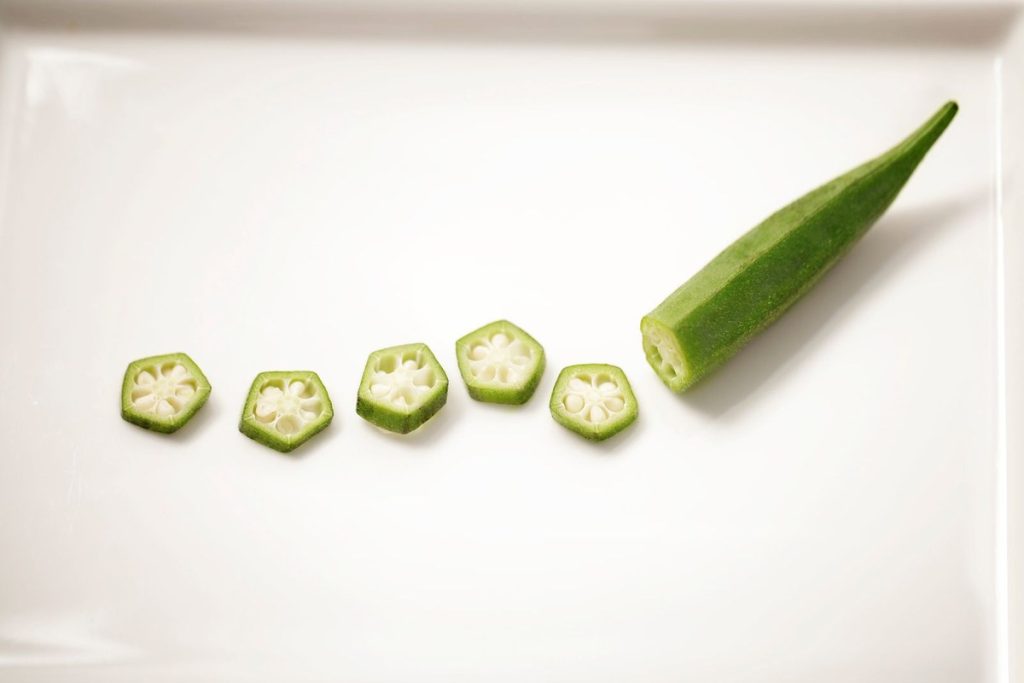
Diabetes support · Fibre & blood sugar
Okra — bhindi, lady’s finger — is the slimy green pod people either love or avoid. Behind the texture is a useful food for blood sugar: soluble fibre, very few digestible carbs, and compounds that may slow how fast sugar enters the bloodstream. Here is what it can and cannot do — and how to eat it without the slime putting you off.
The short answer
Okra is low in calories and carbs, rich in soluble fibre, and its mucilage — the gel that makes it slimy — may help slow the rise of blood sugar after a meal. Animal studies and a few small human studies look promising, but the evidence in people is still limited, and no study shows okra can replace diabetes medicine. Think of it as a supporting player in a diabetes-friendly diet.
Why blood sugar responds to what you eat
Blood sugar rises after eating because the carbohydrates in food are broken down into glucose. How fast that happens depends on the food: refined starches and sugars flood in quickly, while fibre-rich foods release their glucose slowly, giving insulin time to do its job. That speed matters in type 2 diabetes, because a slower, lower rise after meals means less strain on the insulin response.
Two measures capture this. The glycemic index (GI) ranks how quickly a food raises blood sugar; the glycemic load combines that speed with how many carbs a serving contains. A food can have a moderate GI and still be gentle on blood sugar if its carb count is low — and that is exactly okra’s profile. A cup of raw okra holds only about 7 grams of total carbohydrate, roughly half of it fibre, which the body does not turn into glucose. Soluble fibre also dissolves into a gel in the gut, slowing stomach emptying — so okra may help soften the blood-sugar impact of the rice, roti or potatoes on the same plate.
Okra nutrition snapshot: what the numbers say
Values are approximate, per cup (about 100 g) of raw okra.
Why the numbers favour blood sugar
Okra also brings vitamin C, folate, magnesium and vitamin K in useful amounts, plus small quantities of calcium and iron.
7 reasons okra may help blood sugar
Each reason is a separate, modest effect. None is dramatic alone; together they explain why okra keeps showing up in diabetes-friendly eating.
Soluble fibre slows sugar absorption
Okra is rich in soluble fibre, which forms a gel in the gut and slows the breakdown of carbohydrates into glucose — a gentler rise in blood sugar after eating, and steadier energy between meals.
Very few net carbs per serving
With about 7 grams of total carbs and about 3 grams of fibre per cup, okra’s net carbs sit near 4 grams — far below potatoes, rice or corn. Our karela for diabetes article covers another low-carb favourite built on the same idea.
Mucilage may blunt glucose spikes
The slime is the point. Okra’s mucilage is a thick, soluble gel, and laboratory and animal studies suggest it may slow sugar absorption in the gut. Human evidence is thinner, but the mechanism is plausible.
Polyphenols may support insulin sensitivity
Okra contains flavonoids such as quercetin and catechins. In laboratory and animal research, these appear to help protect the insulin-producing beta cells of the pancreas from oxidative stress. Human studies have not yet confirmed this.
Magnesium for insulin signalling
A cup of okra provides roughly 57 mg of magnesium, about a seventh of an adult’s daily need. Magnesium is involved in how cells respond to insulin, and low levels are common in people with type 2 diabetes. Okra alone will not fix a deficiency.
Vitamin C and folate for overall metabolic health
Okra is a good source of vitamin C, which supports blood-vessel health — important when diabetes raises cardiovascular risk — and folate, which supports healthy cell function. Neither lowers blood sugar directly.
Filling for very few calories
At about 33 calories a cup, okra lets you eat a full, satisfying portion while keeping the meal light. That matters because gradual weight loss is one of the most reliable ways to improve blood-sugar control in type 2 diabetes.
Okra water: what it is, and what the evidence says
Okra water is simple to make: slice a few fresh okra pods, soak them in a glass of water overnight, and drink the thickened water in the morning. It has become a popular home remedy for blood sugar, and it is worth separating what is known from what is hoped for.
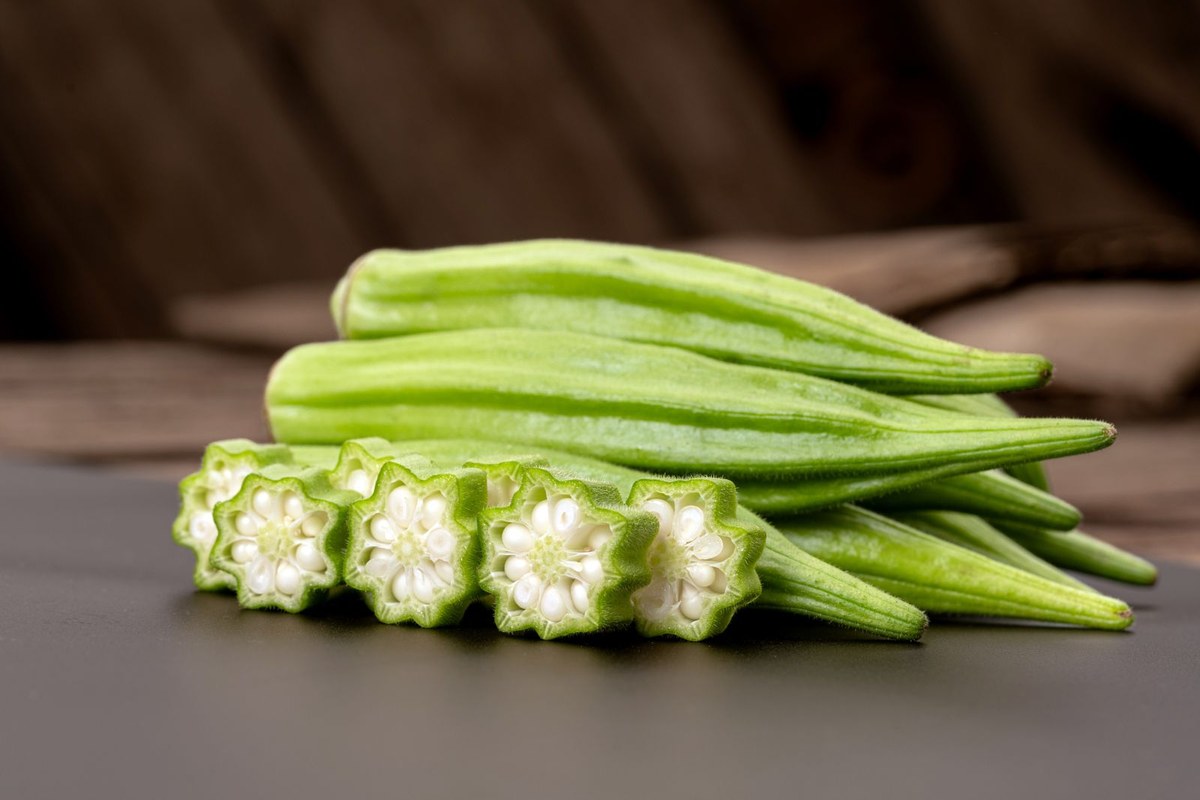
The idea has a basis. Soaking draws some of okra’s mucilage into the water, and animal studies have reported lower fasting blood sugar in animals given okra extracts. A few human studies have found modest improvements in blood-sugar markers among people who ate okra regularly — but they were small and short, and cannot prove okra water itself caused the change. There is no standard dose, because there is no standard preparation.
If you dislike the texture, eating the pods gives you the same fibre and nutrients — and a plate of bhindi is far more enjoyable than a glass of slimy water.
Ways to eat okra every week
Five preparations that keep okra on the table — including the tricks that tame the slime. Choose small, firm pods: big okra turns woody.
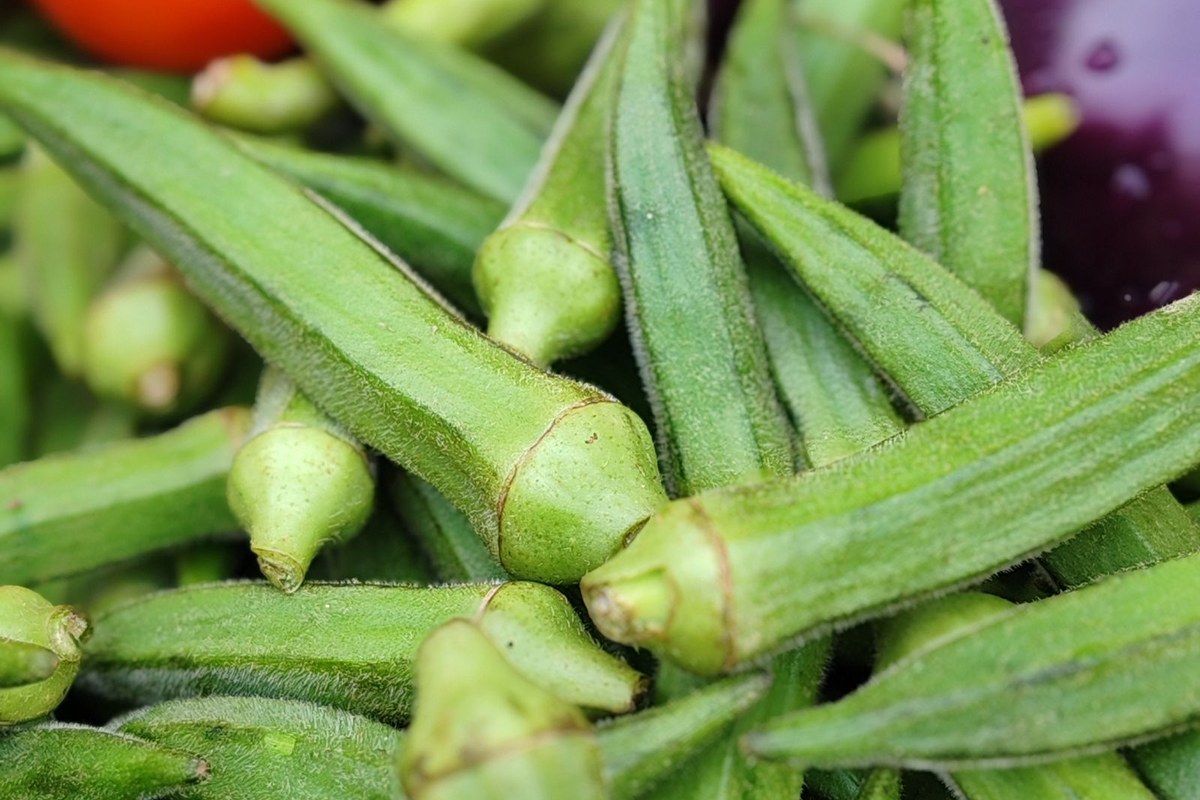
Cook bhindi masala, the classic
Sliced okra sautéed with onions, tomatoes, cumin, turmeric and a little amchur (dried mango powder) — tangy, spiced, and naturally low in carbs. The acid from tomatoes and amchur also helps cut the sliminess.
Roast it crisp
Toss whole or halved pods in a little oil and salt, roast at high heat until the edges brown, and the slime mostly disappears. Crunchy outside, tender inside — a good side for grilled fish, chicken or dal.
Stir-fry with tomatoes and onions
A quick stir-fry keeps okra bright green and slightly firm. Add a squeeze of lemon at the end — acid is the simplest slime tamer — and serve with a small portion of brown rice or whole-grain roti.
Add it to soups and gumbo
In gumbo, okra’s mucilage is a feature, not a flaw: it thickens the stew naturally. The same trick works in lentil soup and vegetable curries, where okra melts into the broth and adds body.
Pickle it
Pickled okra — pods brined with vinegar, garlic and chilli — is crunchy, tangy and ready from the jar. A sharp, low-carb snack or a bright side for rich dishes, and it keeps for weeks in the fridge.
Cautions worth knowing
Open Seed Vault Heirloom Vegetable Seeds — 32 Variety Pack
Fresh okra is often hard to find in Canadian stores — growing your own is the reliable way to get it young and tender:
- Includes about 50 Clemson Spineless okra seeds — a tender, spineless variety that is easy to pick and cook
- 32 heirloom, non-GMO vegetable varieties in one pack — a whole kitchen garden in a single purchase
- Young, home-picked pods are far less slimy than store-bought ones — pick small and pick often
As an Amazon Associate I earn from qualifying purchases.
Frequently asked questions
Does okra water really lower blood sugar?
There is no strong human evidence that it does. Animal studies and a few small human studies suggest okra may help blunt blood-sugar rises, but the trials are small and short, and none shows okra water replacing medicine. Treat it as a bonus, not a treatment.
Can okra replace diabetes medicine?
No. Food can support blood-sugar control, but type 2 diabetes usually needs medicine, and type 1 always needs insulin. Okra belongs on the plate alongside treatment, never instead of it.
How much okra should I eat?
There is no prescribed dose — okra is a food, not a drug. A cup or so a few times a week, as part of a varied, fibre-rich diet, is a sensible pattern. If you take metformin, ask your doctor or pharmacist about timing.
Bottom line
Okra earns its place in a diabetes-friendly kitchen: very few net carbs, plenty of soluble fibre, and a mucilage that may help slow sugar absorption — all for about 33 calories a cup. Roast it crisp, cook it bhindi-style, or stir it into soups. Just keep it in its lane: a helpful vegetable on the plate, not a replacement for medicine or your doctor’s advice.
Sources and further reading
- USDA FoodData Central. Nutrient profile for raw okra per 100 g.
- Health Canada. Guidance on vegetables, fruit and plant-based eating, and on fibre and blood-sugar management.
- Mayo Clinic. Health information on type 2 diabetes, blood-sugar control and diabetes medicines.