

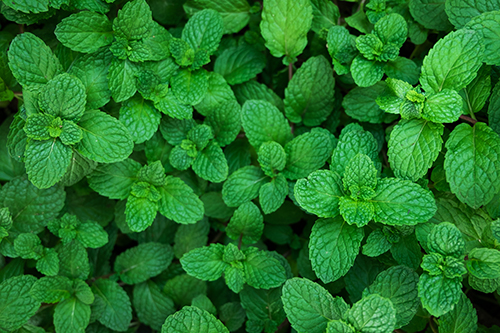
Refreshing herb guide
Pudina is more than a garnish. Here is what mint can — and cannot — do, plus simple ways to use it, store it and grow it at home.
Mint leaves are more than just a flavorful herb used in teas or garnishes — they are packed with powerful nutrients that support overall health and wellness. Known for their cooling taste and soothing properties, mint leaves (also called pudina) have been used in traditional medicine for centuries.
Let’s explore the many ways mint can improve your health naturally.
The short answer
Fresh mint is a low-calorie herb providing small amounts of vitamin A, vitamin C, folate, iron and manganese, plus menthol and antioxidants. In teas, chutneys, raita and salads it supports comfortable digestion and fresher breath — part of a varied diet, not a medicine.
Mint nutrition at a glance
Mint is eaten in small amounts, so think of it as a nutrient bonus. A handful of fresh leaves adds bright flavour for very few calories and provides:
- Vitamin A: supports normal vision and healthy skin.
- Vitamin C and antioxidants such as rosmarinic acid, which help protect cells.
- Small amounts of folate, iron, calcium and manganese.
- Menthol: the compound behind mint’s cooling taste and scent.
Because portions are small, mint works best alongside many other colourful vegetables.
1. Aids in Digestion
Mint leaves are widely known for their ability to improve digestion. They help relax the stomach muscles and increase bile flow, which supports better fat digestion and reduces bloating.
How to use:
Drink warm mint tea after meals or chew a few fresh leaves for natural relief from indigestion and gas.
For a bigger digestion-friendly pattern, see our guide to the best vegetables for gut health and better digestion.
2. Reduces Stress and Fatigue
The natural menthol aroma in mint acts as a mild relaxant. Inhaling the scent of fresh mint leaves or mint essential oil may help reduce mental fatigue and ease mild stress or anxiety.
How to use:
Brew a calming mint tea, add mint to your bath, or use it in aromatherapy.
3. Fights Bad Breath
Mint is one of the most popular ingredients in toothpaste and mouthwash — and for good reason. It naturally fights odor-causing bacteria in the mouth and leaves a fresh, clean feeling.
How to use:
Chew raw mint leaves or rinse with homemade mint water.
4. Helps Relieve Cold and Respiratory Issues
Mint contains menthol, a natural compound that helps relieve nasal congestion, sinus pressure, and sore throats.
How to use:
Drink mint tea during a cold, or inhale steam with mint leaves in hot water to clear your sinuses.
6. Promotes Clear Skin
Mint has antibacterial and anti-inflammatory properties, making it helpful for acne, insect bites, or minor skin irritations. It cools and soothes the skin while helping to reduce redness.
How to use:
Apply a mint paste on the skin or use mint-infused water as a natural toner.
Mint also works from the plate side — explore our guide to vegetables for glowing, healthy skin.
7. Good for Heart and Liver Health
Mint is rich in antioxidants, which help reduce inflammation and oxidative stress in the body. Regular intake may support heart health, improve blood flow, and help detoxify the liver.
How to use:
Add mint to your diet through smoothies, salads, herbal teas, or healthy juices.
8. Boosts Eye Health
While not commonly known, mint contains Vitamin A, which is essential for good vision. It helps protect the surface of the eye and supports retina health.
What the research actually says
Mint has a long traditional history, but human research is limited — most studies use concentrated peppermint oil, not tea:
- Digestion: Peppermint oil capsules have been studied for irritable bowel symptoms. Mint tea is gentler; evidence for it is mostly traditional, though many find a warm cup after meals soothing.
- Breath: Mint’s flavour and antibacterial action freshen breath briefly, but leaves are no substitute for brushing, flossing or treating dental causes.
- Skin: Mint preparations feel cooling and may calm minor irritation, but evidence is limited — patch-test first.
- Stress and refreshment: Mint’s aroma is linked in small studies — and everyday experience — with feeling more alert and refreshed. A pause with a warm drink helps too.
Spearmint or peppermint? Know your mint
Spearmint
The classic pudina of chutneys, raita and salads — sweet and mild, with very little menthol. A grocery bunch labelled “mint” is usually spearmint.
Peppermint
A cross of spearmint and watermint with far more menthol — the sharp, cooling bite in teas and desserts, and the type used in studies and oils.
Mint in the kitchen: five quick how-tos
Five basics cover most everyday uses:
- Mint tea: Add a handful of washed leaves to a cup of just-boiled water, cover, steep 5–7 minutes. Add lemon or honey if you like.
- Pudina raita: Whisk 2 tablespoons finely chopped mint into a cup of plain yogurt with salt and roasted cumin. Serve with rice, grilled vegetables or snacks.
- Green chutney: Blend a packed cup of mint with coriander, green chilli, lemon juice, salt and a spoonful of water until smooth. Refrigerate; use within 3–4 days.
- Salads and fruit: Tear leaves rather than chopping; scatter over watermelon, cucumber, oranges or chickpea salad before serving.
- Infused water: Lightly crush 8–10 leaves, add to a litre of cold water with cucumber or citrus slices, and chill at least an hour.
Easy Ways to Add Mint to Your Diet
- Add fresh mint to smoothies, lemon water, or detox drinks
- Use chopped mint in salads, chutneys, or dips
- Brew fresh mint tea in the morning or after meals
- Blend with cucumber or lime for a cooling summer drink
Grow your own: mint in a pot
Mint is easy to grow in Canada — and pushy. Never plant it in a bed: its runners take over. Grow it in a pot instead.
- Choose a pot 25–30 cm wide with drainage holes and regular potting mix.
- Sun to part shade; afternoon shade on a hot balcony prevents scorching.
- Water when the top centimetre of soil is dry; pinch tips often to keep it bushy.
- A pot left outside can freeze solid in a prairie winter. Move it to a garage or sheltered spot, or keep a small pot on a sunny windowsill and start fresh each spring.
Buying and storing mint
Choose bright green leaves with no black spots or sliminess and a fresh smell. Wrap stems in a slightly damp paper towel, place in a bag or container, and refrigerate — bunches keep 4–7 days. To store longer, chop leaves into an ice-cube tray with a little water and freeze; drop a cube straight into tea, soup or chutney.
Good to know: cautions
Mint leaves in normal food amounts are fine for most people, but a few situations deserve care:
- Reflux and heartburn: peppermint can relax the valve between stomach and oesophagus, so mint tea worsens heartburn for some. If that is you, skip the after-dinner cup.
- Concentrated oils: peppermint essential oil is far stronger than leaves and is not a food — use only as directed, and never give it to young children unless a clinician advises.
- Allergy: uncommon, but possible. Stop using mint on skin if a rash develops.
- Medication and pregnancy: check with your clinician before using mint supplements or oils regularly.
Final Thoughts
Mint leaves are a small but powerful addition to a healthy lifestyle. With their refreshing flavor and wide range of health benefits – from digestion and mental clarity to skin and respiratory support – they deserve a regular place in your kitchen and wellness routine.
Cook + Eat + Stay Fresh – with Mint!
Traditional Medicinals Organic Peppermint Tea — 96 Tea Bags
This article is all about mint; a box of organic peppermint tea is the easiest way to enjoy it daily:
- Organic peppermint tea from a trusted herbal tea brand
- Pack of 6 boxes — 96 wrapped tea bags in total
- Rated 4.6 stars from 1,600+ Amazon.ca ratings
As an Amazon Associate I earn from qualifying purchases.
Frequently asked questions
Is mint tea good for digestion?
Often, as a comfort measure — many find a warm cup soothing after meals. Stronger evidence exists for peppermint oil in some bowel conditions — different from tea. See the gut-health vegetables guide for a fuller plan.
Can I eat mint leaves every day?
Yes — in normal food amounts, daily mint in tea, chutney, raita or salads is fine for most healthy adults.
Which is better, spearmint or peppermint?
Neither is “better”: spearmint is milder and best for cooking; peppermint is stronger and cooler — the type used in most studies and oils.
Can mint really help my skin?
Mint feels cooling and may calm minor irritation, but it is not a treatment for acne or other skin conditions. Patch-test first.
Why does mint tea give me heartburn?
Mint can relax the muscle that keeps stomach acid down, which can trigger reflux. Try a smaller, weaker cup — or switch to ginger tea.
Sources & further reading
Grounded in these public-health and reference resources:
- National Center for Complementary and Integrative Health (NCCIH). Peppermint Oil
- U.S. Department of Agriculture. FoodData Central
- The Old Farmer’s Almanac. Growing Mint
- Health Canada. Natural Health Products