Vitamin A · Fibre · Low calorie
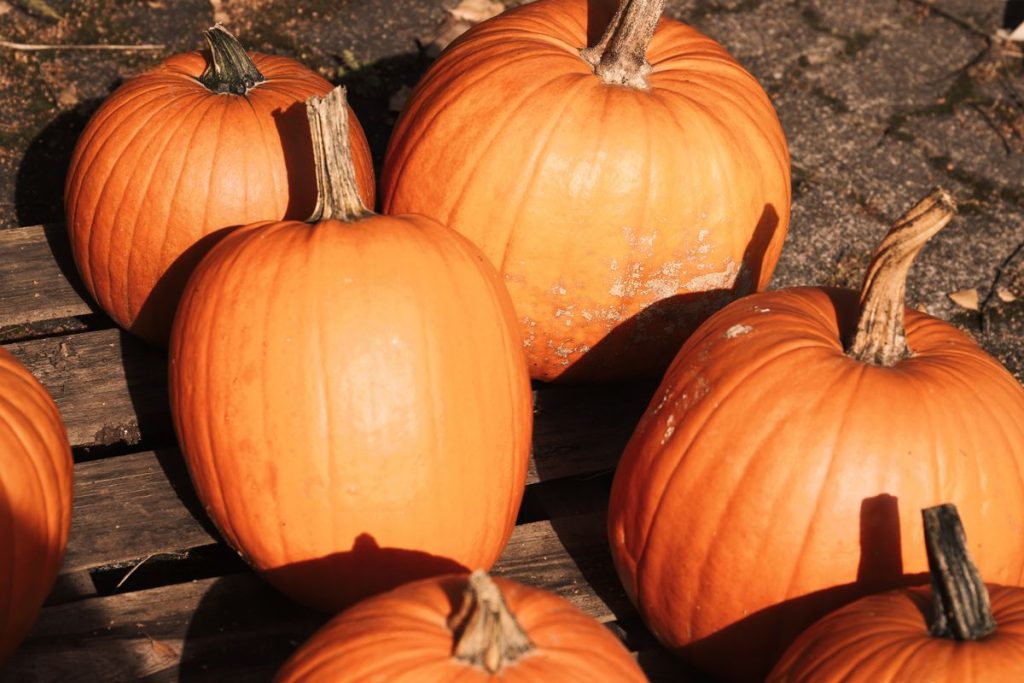
Pumpkin is November’s vegetable — cheap, filling, and so rich in vitamin A that one cup of cooked pumpkin may cover around a full day’s needs. It is low in calories, high in fibre, and even its seeds are a snack in their own right. Here are seven reasons it earns a spot on your plate.
The short answer
Pumpkin is one of the most nutrient-packed vegetables per calorie: a cup of cooked pumpkin may supply around a full day’s vitamin A, plus fibre, potassium and vitamin C, for only about 26 calories per 100 grams. It may help support eye, immune, heart and blood sugar health, and the seeds add magnesium and zinc. One honest limit: pie filling and spiced lattes are mostly sugar, so the benefits belong to plain pumpkin.
Why pumpkin stands out
Every November, pumpkins pile up outside grocery stores, then get carved, photographed and thrown away. That is a shame, because the same vegetable that decorates the porch is one of the cheapest sources of vitamin A in the produce aisle — it keeps for weeks, cooks with almost no effort, and suits sweet and savoury dishes alike.
Its signature nutrient is beta-carotene, the orange pigment that colours the flesh. Your body converts it into vitamin A as needed, which supports normal vision in dim light and helps immune cells do their work. Because the body only converts what it needs, beta-carotene from food carries no toxicity risk, unlike preformed vitamin A from high-dose supplements.
Pumpkin is also about 92% water, which is why a generous serving feels filling for so few calories, and it brings fibre, potassium, vitamin C and small amounts of iron. Add the seeds — rich in magnesium, zinc and healthy fats — and one pumpkin may offer two foods for the price of one.
Pumpkin nutrition snapshot: what the numbers say
Values are approximate, for cooked pumpkin unless stated.
Standout sources
No single nutrient explains pumpkin. What may help is the whole package: vitamin A plus fibre plus potassium, in a food that costs little.
7 pumpkin benefits
Amounts are approximate.
Vitamin A for eyes and immunity
Beta-carotene is the headline: one cup of cooked pumpkin may supply around a full day’s vitamin A, which supports the retina and vision in low light and helps the immune system maintain the cells that fight infection. Because the body converts it only as needed, pumpkin is a safe way to top up.
Filling for very few calories
At about 26 calories per 100 grams, pumpkin is one of the lowest-calorie vegetables you can eat, and its fibre and water help it feel substantial. A large serving can fill half the plate for the calories of a small snack, which may help with weight management.
Fibre for gut health and fullness
Cooked pumpkin carries about 3 grams of fibre per 100 grams; canned purée carries even more. Fibre feeds friendly gut bacteria, supports regular digestion, and slows stomach emptying, which is why pumpkin soup keeps you full for hours. Some of its fibre is soluble, the kind that may help keep cholesterol in a healthy range.
Potassium that may support healthy blood pressure
With about 230 mg of potassium per 100 grams, pumpkin is a genuinely useful source of this mineral, which helps the body balance sodium. Potassium-rich diets are linked with healthier blood pressure, so serve pumpkin with beans and greens for potassium from three directions at once.
Immune support for the cold season
November is cold and flu season, and pumpkin brings three nutrients the immune system uses: vitamin A, vitamin C and zinc. None can prevent a cold on its own, but a diet that covers them may help the immune system respond well. Our guide to winter immunity vegetables shows how pumpkin fits alongside garlic, ginger and leafy greens.
May suit blood sugar better than starchy sides
Pumpkin is low in carbohydrates — only about 7 grams per 100 grams — so a normal portion carries a small glycemic load, and its fibre slows how quickly those carbohydrates reach the bloodstream. That may help avoid sharp rises and crashes. Portion still matters, and plain pumpkin is very different from sweetened pie filling.
The seeds are a bonus food of their own
Do not throw the seeds away: a handful of pumpkin seeds may provide magnesium, zinc, iron and healthy fats, plus protein and fibre. Magnesium supports normal muscle and nerve function, and zinc plays a role in immune health. Roast them with a little salt and they become a snack that earns its place.
Ways to eat pumpkin every day
Five habits that fold pumpkin into food you already cook:
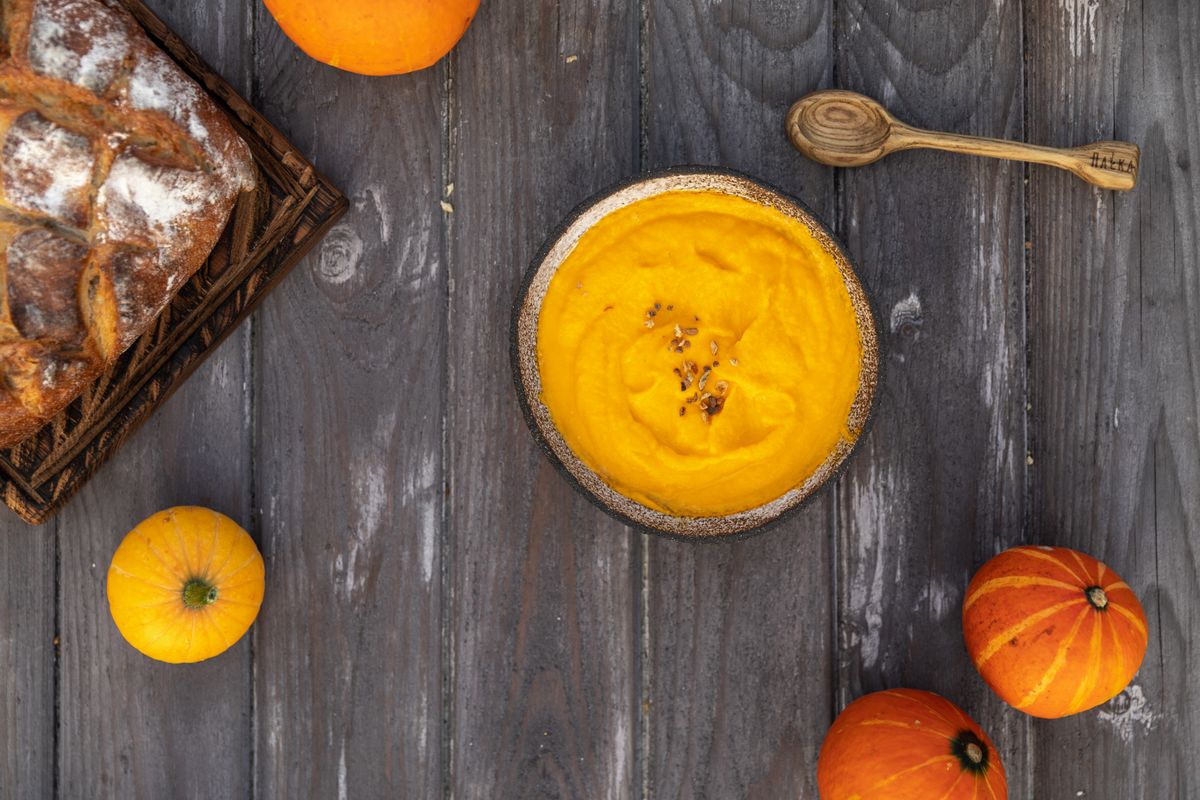
Blend it into soup
Simmer cubed pumpkin with onion, garlic, ginger and stock, then blend smooth. A spoonful of yogurt or coconut milk finishes it — and it freezes beautifully.
Roast wedges with spice
Cut into wedges, toss with olive oil, salt, cumin and smoked paprika, and roast until the edges caramelise — the oil also helps your body absorb the beta-carotene.
Stir purée into oatmeal
A few spoonfuls of plain canned purée, cinnamon and a drizzle of maple syrup turn ordinary oats into a filling autumn breakfast with extra fibre and vitamin A.
Mash it like potato
Boil or steam cubes until tender, then mash with olive oil, a little milk and black pepper — lighter than buttered mash, with the pumpkin’s gentle sweetness.
Roast the seeds, don’t bin them
Rinse the seeds, pat dry, toss with oil and salt, and roast at 180°C (350°F) for 10–15 minutes until crisp. They keep a week in a jar and top salads, soups and oatmeal.
Pumpkin vs butternut squash: which wins?
Both are winter squash, both are orange, and both are good foods — so this comparison causes more arguments than it deserves. Butternut is a little sweeter and slightly higher in vitamin C, while pumpkin is lower in calories and usually cheaper in November, when it is in season. Fibre and potassium are similar.
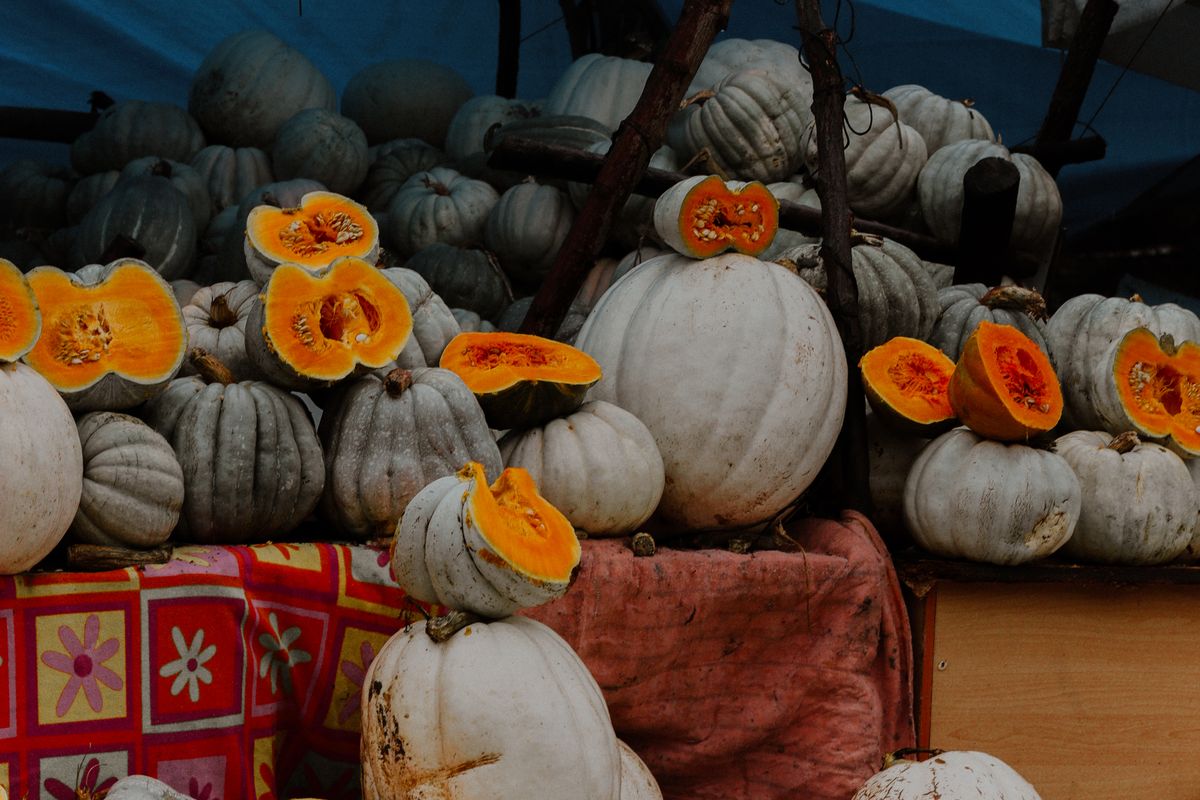
Where pumpkin pulls ahead is convenience: plain canned purée is available all year and needs no peeling or chopping. Where butternut wins is texture — its dense, smooth flesh roasts into a creamier result. The honest answer is to eat both: roasted pumpkin with beans beats either squash buried in butter and cheese.
Cautions worth knowing
Yupik Semi-Salted Pumpkin Seeds in Shell, 185 g
If this article has you thinking about pumpkin seeds, this is a low-cost place to start:
- Roasted and lightly salted in the shell — the classic crunchy autumn snack, ready to eat by the handful
- A natural source of fibre, magnesium and zinc — the nutrients this article’s seed section talks about
- Small 185 g bag — easy to keep in the pantry for soups, salads and oatmeal
As an Amazon Associate I earn from qualifying purchases.
Frequently asked questions
Is pumpkin good for diabetes?
Plain pumpkin may be a good choice: low in carbohydrates for its volume, its fibre can help slow blood sugar rises. But portion size and the whole meal matter more than any one food, and sweetened pumpkin dishes are a different story. If you live with diabetes, check your readings and ask your doctor or dietitian about portions.
Canned pumpkin vs fresh — which is better?
Nutritionally they are close: plain canned purée may even carry more vitamin A per cup than fresh cooked pumpkin, and it saves the peeling. Just make sure the can says plain pumpkin purée — pie filling is sweetened and is not the same food.
Can you eat pumpkin seeds?
Yes — roasted pumpkin seeds are a nutritious snack, rich in magnesium, zinc and healthy fats. Rinse them, pat dry, toss with a little oil and salt, and roast until crisp. Watch the salt and keep the portion to a small handful, since seeds are calorie-dense.
Bottom line
Roast it, blend it into soup, or stir the purée into oatmeal — pumpkin a few times a week may help your eyes, gut, blood pressure and blood sugar. Keep it plain, vary your vegetables, and let a doctor — not a blog post — decide anything about a diagnosis or medicine.
Cook it, don’t just read about it
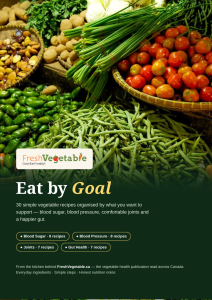
Eat by Goal — The FreshVegetable Recipe Book turns vegetables like today’s into dinner: 30 simple recipes organised by health goal — blood sugar, blood pressure, comfortable joints and a happier gut. Everyday ingredients, simple steps, every recipe illustrated.
Instant PDF download · 37 illustrated pages · Secure checkout by Stripe · Yours to keep
Sources and further reading
Figures below are approximate.
- USDA FoodData Central. Nutrient profiles for cooked pumpkin, canned purée and pumpkin seeds.
- Health Canada. Guidance on vegetables, fruit and plant-based eating.
- Mayo Clinic. Health information on vitamin A, beta-carotene and fibre.