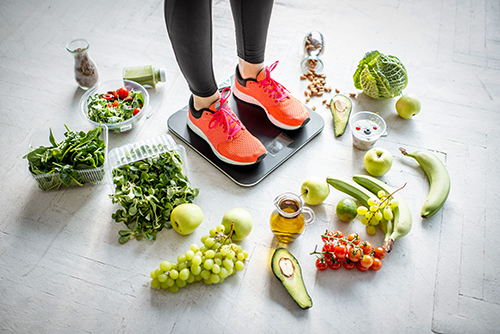
Weight-friendly eating guide
Seven filling, low-calorie vegetables — plus the plate method, smart swaps and a sample day to help you use them in real life.
The short answer
No single vegetable melts fat, and no food works on its own. What these seven do is make a calorie-conscious plate easier to stick with: they are bulky, fibre-rich and mostly water, so you can eat a satisfying amount for relatively few calories. Pair them with protein and regular meals, and progress tends to be steadier — and easier to keep.
Why vegetables work so well for weight loss
When it comes to shedding extra pounds and maintaining a healthy lifestyle, few food groups are as powerful and effective as fresh vegetables. Low in calories, high in fiber, and packed with essential nutrients, vegetables are nature’s gift to anyone looking to lose weight naturally.
Weight loss comes down to eating fewer calories than you use, most days. Vegetables make that easier for three simple reasons:
- Fibre. Fibre slows digestion and helps you feel full on less. It also feeds the bacteria in your gut — see our guide to vegetables for gut health.
- Water. Most vegetables are 85 to 95 per cent water, so they add real weight and volume to your plate without many calories.
- Calorie density. This means how many calories are packed into each bite. A large bowl of these vegetables might hold about 100 calories; the same weight of many snack foods can hold five times that.
Vegetables also “crowd out” other foods: when half your plate is vegetables, there is less room — and usually less appetite — for higher-calorie extras.
The 7 best vegetables for weight loss
Here’s a closer look at the top vegetables that can boost your weight loss journey:
Spinach
Spinach is low in calories and rich in fiber, iron, and essential vitamins. A cup of raw spinach has only about 7 calories, but it fills you up quickly. It also contains thylakoids, compounds that may help suppress appetite and reduce cravings.
Also provides: folate, vitamin K, vitamin A and magnesium. A big handful of leaves wilts down to a small spoonful when cooked, making spinach the easiest vegetable to “hide” in a meal.
Try this: Add fresh spinach to smoothies, salads, or sauté it lightly with garlic and olive oil.
Broccoli
Broccoli is a cruciferous vegetable known for its high fiber content and cancer-fighting compounds. It contains very few calories but provides a strong sense of fullness.
Weight loss benefit: High in protein compared to most vegetables, and helps regulate blood sugar. A cooked cup has roughly 55 calories and about 5 grams of fibre.
Best way to eat it: Roast until the edges crisp, steam just tender, or use frozen broccoli in soups and stir-fries.
Zucchini
Zucchini is a versatile vegetable with a high water content, making it hydrating and low in calories. It’s great for replacing high-carb foods like pasta when spiralized.
Also provides: potassium and vitamin C for around 20 calories per cup, with a mild flavour that suits any sauce or spice.
Try it: Bake zucchini chips, or sauté as a side dish with herbs and spices. Spiralized zucchini mixed half-and-half with regular pasta keeps the meal, with a lighter plate.
Cauliflower
Like broccoli, cauliflower is rich in fiber and low in carbs, making it ideal for weight loss diets. You can mash it as a low-calorie alternative to potatoes or use it to make pizza crusts.
Bonus: It supports digestion and reduces inflammation. A cup has only about 25 calories, plus vitamin C and folate. It is also the star of our guide to the kidney-friendly vegetable you should be eating.
Best way to eat it: Blitz it into cauliflower rice, mash it half-and-half with potato, or roast it with spices.
Cucumber
Composed mostly of water, cucumbers are incredibly hydrating and refreshing. They are perfect for snacking, and their crunch can help satisfy cravings without the calories.
Also provides: vitamin K and a little potassium for about 15 calories per cup — a lot of crunch for very little cost.
Serving tip: Add cucumber slices to water for a refreshing drink or enjoy in fresh salads.
Carrots
Naturally sweet and full of fiber, carrots can help satisfy your sweet tooth while keeping you on track with your weight goals. They’re perfect raw, roasted, or blended into smoothies.
Why they help: Their fiber slows digestion, keeping you fuller for longer. Carrots also bring beta-carotene, which your body converts to vitamin A, for roughly 50 calories per cup.
Best way to eat them: Roasting brings out their sweetness with no added sugar; raw sticks travel well as snacks.
Bell Peppers
Bell peppers are colorful, sweet, and low in calories. They’re packed with antioxidants like vitamin C and are incredibly versatile in cooking.
Also provides: one pepper covers a full day’s vitamin C for around 30 calories; red and orange peppers add vitamin A too.
Great for: Stir-fries, salads, or simply dipped in hummus for a quick snack. Try them stuffed with lentils or quinoa for a complete meal.
Why fresh matters
When it comes to vegetables and weight loss, freshness makes a big difference. Fresh vegetables not only taste better but also retain more nutrients and fiber, which are critical to achieving and maintaining a healthy weight.
That said, frozen vegetables are a smart backup: they are frozen soon after harvest, keep most of their nutrients, and are often cheaper than produce that travelled a long way.
Make it practical: the plate method, swaps and snacks
These habits are what turn seven vegetables into an everyday pattern:
- Use the plate method. Fill half your plate with vegetables, one quarter with protein (lentils, beans, eggs, chicken, fish, paneer or tofu), and one quarter with whole grains or starchy vegetables — the half-plate idea in Canada’s Food Guide.
- Lean on swaps. Cauliflower rice for half your regular rice. Zucchini noodles mixed with pasta. Spinach wilted into curries, soups and eggs. Vegetable sticks where chips used to be.
- Prep snacks once. Cut cucumbers, carrots and peppers ahead and keep them at eye level in the fridge. The snack you can see is the snack you eat.
- Flavour generously. Herbs, lemon, garlic, chaat masala, smoked paprika and a drizzle of olive oil keep vegetables interesting — and interesting is what makes a habit repeat.
A simple sample day
One day on the plate
- Breakfast: Spinach and bell pepper omelette (or tofu scramble) with whole-grain toast.
- Lunch: A big chopped salad of cucumber, carrots and peppers with chickpeas and a lemon-herb dressing — or last night’s curry with extra cauliflower and zucchini stirred in.
- Snack: Carrot and cucumber sticks with hummus.
- Dinner: Broccoli and pepper stir-fry with your choice of protein, served over half rice and half cauliflower rice.
Mistakes to avoid
- Drinking your vegetables. Juicing removes most of the fibre, so a juice leaves you hungry again far sooner than eating the same vegetables.
- Drowning the good work. Heavy dressings, cheese sauces and deep-frying can quietly double or triple a vegetable dish’s calories. Treat them as the topping, not the main event.
- Chasing one “fat-burning” food. No vegetable burns fat by itself, and crash-sized calorie cuts usually collapse within the week. Slow, repeatable changes last.
- Skipping protein. Vegetables alone will not keep you full for long. Pair them with a protein food at every meal.
Apple Cider Vinegar Gummies with Mother — 60 Count
Alongside the vegetables in this article, ACV gummies are one of the most popular pantry add-ons readers ask about:
- Apple cider vinegar with the Mother, plus vitamins B12 & B6
- Gummy format — no harsh vinegar taste
- Rated 4.4 stars from 13,800+ Amazon.ca ratings
As an Amazon Associate I earn from qualifying purchases.
Frequently asked questions
How many vegetables should I eat a day for weight loss?
A practical target is vegetables on half your plate at lunch and dinner — roughly three to five servings a day. If you currently eat very few, add one serving at a time.
Which of the seven is the single best choice?
None of them, on its own. Spinach and broccoli are the most nutrient-dense per calorie; cucumber, carrots and peppers are easiest for snacking; cauliflower and zucchini are the best “swap” vegetables. Variety wins.
Are frozen vegetables okay for weight loss?
Yes. Frozen vegetables keep most of their nutrients, are often cheaper, and cut waste. Fresh and frozen can share the job.
Should I eat them raw or cooked?
Either — cooking changes a few nutrients slightly, but the best form is the one you will actually eat regularly. A mix of raw salads and cooked sides works well.
How fast should I expect to lose weight?
It varies, and plateaus are normal. Many clinicians describe a steady, sustainable pace as roughly 0.25 to 0.5 kg (about half a pound to a pound) per week. If weight is a medical concern, talk to your doctor or a registered dietitian.
Bottom line
Vegetables won’t do the work alone, but they make it much easier: big, colourful, fibre-rich plates that satisfy on fewer calories. Start with these seven, use the plate method and swaps, and let steady habits — not quick fixes — carry the result.
Sources & further reading
Grounded in these public-health resources:
- Health Canada. Fibre
- Health Canada. Canada’s Food Guide
- Harvard T.H. Chan School of Public Health. Vegetables and Fruits