
Vegetables & heart health
Beetroot juice, beetroot “shots”, beetroot in every salad — this deep-red root is having a moment, and for once the science behind the trend is genuinely interesting. Here is what beetroot can and cannot do for blood pressure, and how to use it well.
The short answer
Beetroot is one of the richest natural sources of dietary nitrates, which your body converts into nitric oxide — a molecule that helps blood vessels relax and widen. Studies of beetroot juice have found small average blood-pressure reductions in some adults, which makes beetroot a sensible, enjoyable part of a heart-friendly eating pattern. It is a support, not a treatment: it works alongside a healthy lifestyle and any prescribed medication, never instead of them.
Why is beetroot suddenly everywhere?
A few years ago beetroot was mostly a salad-bar extra. Now it is sold as cold-pressed juice, concentrated “shots” in gym bags, powders, and roasted wedges on café menus. Athletes started it — they use beetroot for the same nitrate effect described below — and the blood-pressure research pulled everyone else in.
The attention is not just marketing. Beetroot really is unusual among vegetables: very few common foods deliver as much natural nitrate per serving, and its effects have been tested in proper clinical studies, not just testimonials. The honest story is more modest than the headlines — small, real, and worth having as one habit among several — and that is the story this article tells.
Nutrition snapshot
Values below are for about 1 cup of raw beetroot (roughly 136 g — about one medium beet, chopped). They are approximate, since size and variety vary, but they show a lot of nutrition for very few calories.
Per 1 cup raw beetroot (approximate)
Beetroot also brings manganese, vitamin C and the betalain pigments that give it that famous colour — more on those below.
How beetroot supports healthy blood pressure
Four things work together in this one root. Beetroot is also one of the 7 vegetables in our guide to vegetables that help lower high blood pressure naturally — here is why it earned its place.
Nitrates that become nitric oxide
This is the headline effect. Beetroot’s natural nitrates are converted — first by friendly bacteria on your tongue, then in the body — into nitric oxide. Nitric oxide signals the smooth muscle in blood-vessel walls to relax, so vessels widen slightly and blood flows with less resistance. That gentle widening is the main reason beetroot is linked with lower pressure readings.
Potassium for balance
Potassium helps the body maintain a healthier fluid balance and softens the pressure-raising effect of sodium. Most adults get less potassium than guidelines suggest, and a cup of beetroot adds about 442 mg toward the day — a useful contribution from a single vegetable.
Betalains: the red antioxidants
Beetroot’s deep colour comes from betalains, plant pigments with antioxidant activity. They help protect cells — including the lining of blood vessels — from everyday oxidative stress. Healthy vessel linings respond better to nitric oxide’s relax signal, so the pigments and the nitrates work as a team.
Fibre for overall heart health
Nearly 4 g of fibre per cup supports healthy cholesterol and steadier blood sugar, both of which travel with blood pressure as part of overall heart health. Fibre is one more reason whole beetroot and juice-with-pulp beat strained, sweetened drinks.
What the research actually found
Because honesty matters more than hype: beetroot has been studied in randomized trials, often using about 250 ml of beetroot juice a day (roughly one large glass, or the concentrated “shots” athletes use). Across studies, the typical finding is a small average reduction in systolic blood pressure — often in the range of a few points — in some groups of adults, including some with high blood pressure.
Results vary. Some people respond noticeably, others barely at all, and effects are clearest over hours and with regular intake rather than as a permanent change from one glass. Researchers also note that antibacterial mouthwash can block the tongue-bacteria step that starts nitrate conversion — a fun detail that shows how the pathway works. None of this makes beetroot a medicine. Think of it the way researchers do: a food that can support healthy blood pressure as part of the bigger pattern — less salt, more vegetables overall, movement, sleep, and medication exactly as prescribed.
Simple ways to eat and drink it
Beetroot is flexible — raw, roasted, juiced or pickled, the nitrates survive normal kitchen treatment well. These are the ways readers actually stick with:
Easy everyday ideas
Fresh juice or smoothie
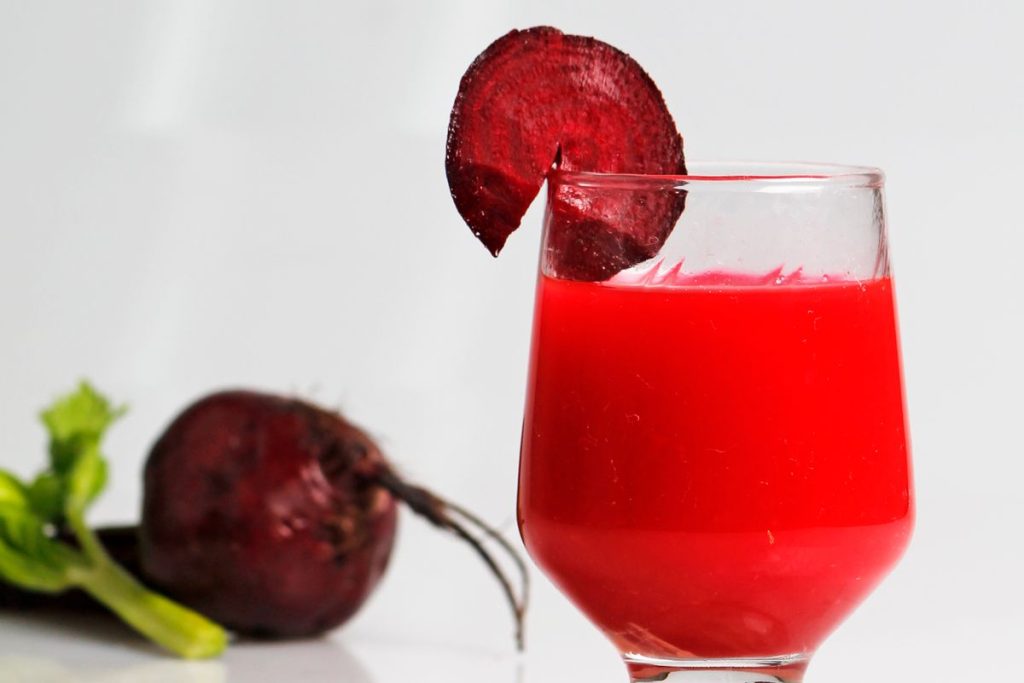
The research-style serving: juice 2 medium beets (about 250 ml), or blend one beet into a smoothie with apple, carrot and ginger to soften the earthy taste. Drink it with a meal.
Roasted beets
Scrub, wrap in foil or toss wedges with a little oil, and roast at 200°C (400°F) for 35–45 minutes until sweet and tender. Lovely warm with a squeeze of lemon, or cold in salads all week.
Grated raw in salads and raita
Raw grated beetroot keeps its crunch and colour: fold it into salads, or stir it into yogurt with roasted cumin for a pink beetroot raita that needs no cooking at all.
Beet soup (borscht-style)
Simmer chopped beets with onion, carrot, cabbage and tomato into the classic ruby soup, finished with a spoon of yogurt. Comforting, filling, and an easy way to eat a whole beet without noticing.
Pickled beets
Slice cooked beets into vinegar with a few spices and rest overnight. Tangy, ready from the fridge, and a bright side for heavy meals — just watch the salt if the brine is salty.
Beet, carrot and amla-ginger juice
A favourite combination with Indian readers: one beet, two carrots, a small piece of amla (or a squeeze of lemon) and fresh ginger. Bright, peppery and naturally sweet — no added sugar needed.
How much, and when
For most adults, a practical daily amount is one medium beetroot, or a small glass of beetroot juice (about 200–250 ml), eaten as part of a meal rather than on its own. That is roughly the amount used in the juice studies, scaled to normal eating. If you are new to beetroot, start with half a beet or half a glass for a few days and build up — the fibre and nitrates are both new work for your digestion.
Timing is a nice detail: blood levels of nitrate products peak about 2–3 hours after eating, which is when any gentle vessel-relaxing effect is strongest. Athletes use that window before training; for everyday purposes it simply means beetroot at lunch can be doing its quiet work through the afternoon. Cooked, raw and juiced forms all count — what matters most is making it a regular habit rather than an occasional event.
Storing beets is easy: twist off the leafy tops (cook them like spinach — they are edible and nutritious), keep the roots unwashed in the fridge, and they will stay firm for one to two weeks.
Cautions worth knowing
Nutritionn Organic Beetroot Powder — 240 g
The easy way to keep beetroot on hand for the juice and smoothie ideas in this article:
- 100% pure organic beetroot powder — nothing else in the ingredients
- Mixes into water, juice or a smoothie, and works in cooking and baking too
- 240 g bag, about 30 servings — handy when fresh beets are not in the kitchen
As an Amazon Associate I earn from qualifying purchases.
Frequently asked questions
Does beetroot juice really lower blood pressure?
It can help a little. Trials using about 250 ml a day found small average reductions in systolic pressure in some adults — usually a few points, and not for everyone. It is best seen as one supportive habit inside a heart-friendly pattern, never as a replacement for medication or medical care.
Raw or cooked — which is better for nitrates?
Both work. Nitrates are fairly sturdy: roasting and steaming keep most of them, while long boiling can leach some into the water (fine if the water becomes soup). Raw juice and grated beet deliver the full amount; cooked beets are close behind and easier on digestion. Choose the form you will actually eat regularly.
How long does it take to work?
The nitrate effect is quick but temporary: levels peak about 2–3 hours after eating and ease over the rest of the day. Any steadier benefit comes from regular intake — a beet most days — alongside the habits that matter most: less salt, more vegetables, movement and prescribed medication.
Can I eat beetroot every day?
For most healthy adults, yes — one medium beet or a small glass of juice daily fits comfortably in a varied diet. Rotate with other vegetables across the week, keep portions moderate if kidney stones or diabetes are concerns (see cautions above), and remember variety is what makes a diet work.
Bottom line
Beetroot earned its trend honestly: real nitrates, real studies, and a small, genuine supporting effect on blood pressure — wrapped in a cheap, colourful, versatile vegetable. One beet a day, eaten in whatever form you enjoy, is a habit worth having. Just let it support your healthy routine and your prescribed treatment, never stand in for them.
Sources and further reading
The nutrition values and general guidance in this article reflect information published by the following references. Figures are approximate and provided for general education.
- USDA FoodData Central. Nutrient profile for raw beetroot (beets, raw) — the source for the approximate values in the nutrition snapshot.
- Health Canada. Guidance on vegetables, potassium and sodium as part of a heart-healthy eating pattern.
- Mayo Clinic. Consumer health information on high blood pressure, including lifestyle measures that support prescribed treatment.