
No single food can switch on perfect memory or instant focus. But a varied eating pattern—rich in vegetables, plant proteins, whole grains and unsaturated fats—can supply the nutrients your brain and blood vessels need every day.
Your brain is always working. It uses energy, sends electrical signals and depends on a healthy blood supply. Food cannot replace sleep, movement, stress care or medical treatment, but it can be one useful part of the bigger picture.
What does the brain need from food?
A balanced plate delivers many nutrients together. Four are especially relevant to this article:
- Omega-3 fats: The brain contains long-chain omega-3 fats, especially DHA. Plant foods provide alpha-linolenic acid (ALA), which the body can convert to EPA and DHA only in limited amounts.
- Antioxidant-rich plant compounds: Colourful vegetables contain vitamin C, carotenoids, flavonoids and other compounds that help the body manage normal oxidative stress. That is supportive nutrition—not a promise that one vegetable prevents memory loss.
- Folate: This B vitamin is needed for DNA production and normal cell function. Leafy greens, broccoli and Brussels sprouts are useful food sources.
- Vitamin K: Dark leafy greens are particularly rich in vitamin K. Observational research links leafy-green intake with healthier cognitive ageing, but this does not prove that greens alone cause sharper memory.
The honest omega-3 story
Vegetables are not concentrated omega-3 foods. Leafy greens and Brussels sprouts may contain small amounts of ALA, but seeds and walnuts are the more practical plant sources. Fish and algae supply the long-chain forms EPA and DHA directly; ALA is not nutritionally identical to them.
For adults, the U.S. National Academies set an Adequate Intake for ALA at 1.6 grams a day for men and 1.1 grams a day for women. Needs differ during pregnancy and breastfeeding. An Adequate Intake is a population reference—not a personal prescription.
Simple daily ALA options
Choose one of these as a practical daily add-on, or use smaller amounts of more than one. Portions are food ideas, not supplement doses.
Ground flaxseed
Try: 1 tablespoon daily in oats, yogurt, dal or salad dressing. NIH nutrient data lists about 2.35 g ALA per tablespoon of whole flaxseed; grinding helps make the seed easier to use in food.
Chia seeds
Try: 1 tablespoon daily in oatmeal or a smoothie. Let chia absorb liquid before eating if you prefer a softer texture, and drink enough fluid.
Walnuts
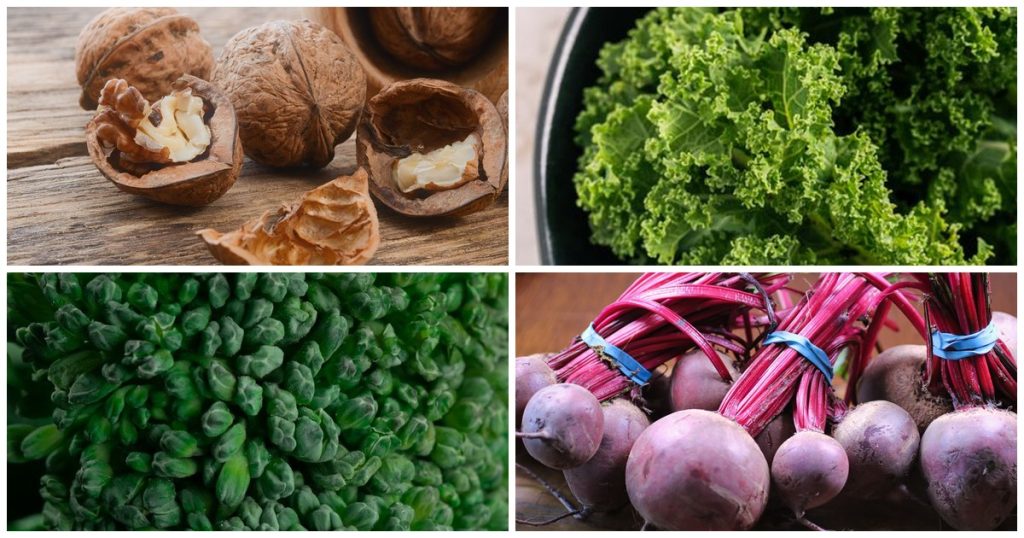
Try: a small handful—up to 28 g (1 oz)—as a snack or salad topping. NIH data lists about 2.57 g ALA per ounce.
Hemp seeds
Try: 1–2 tablespoons of hulled hemp hearts on soup, toast or grain bowls. ALA content varies by product, so use the nutrition label if you are tracking intake closely.
Plant-based eater? If you avoid fish and are concerned about EPA or DHA, ask a registered dietitian or clinician whether an algae-derived option makes sense for you. Do not assume a high-dose supplement is automatically better.
Six brain-friendly vegetables to rotate
These vegetables do not work like medicine. Their value is that they help create a nutrient-dense pattern that also supports cardiovascular health—and healthy blood vessels matter to the brain.
Spinach
Spinach supplies folate, vitamin K and carotenoids. Add fresh leaves to sandwiches and salads, or fold frozen spinach into soups, curries and eggs.
Kale
Kale is another dark leafy green rich in vitamin K and carotenoids. Massage chopped raw kale with lemon and olive oil, or cook it briefly to soften the leaves.
Broccoli
Broccoli contributes folate, vitamin C, fibre and vitamin K. Steam or roast it until tender-crisp; pleasant texture makes it easier to eat regularly.
Beets
Beets contain dietary nitrate, which the body can convert to nitric oxide, a molecule involved in blood-vessel function. This does not mean beets are a treatment for poor circulation or memory problems.
Bell peppers
Red, yellow and orange peppers are rich in vitamin C and colourful carotenoids. Their crunch works well with hummus; roasted peppers add sweetness to soups and grain bowls.
Brussels sprouts
Brussels sprouts provide folate, vitamin C, vitamin K and fibre. Roast halved sprouts until browned, then finish with lemon, pepper and chopped walnuts.
Power combos: pair vegetables with plant omega-3s
The easiest way to use this list is to combine one or two vegetables with one concentrated ALA source. These combinations add flavour, texture and staying power without making exaggerated health promises.
Spinach–walnut salad with flaxseed dressing
- Base: baby spinach, sliced bell pepper and roasted beets
- Crunch: chopped walnuts
- Dressing: 1 tablespoon ground flaxseed, lemon juice, olive oil, mustard and black pepper
- Make it a meal: add chickpeas, lentils or tofu and serve with a whole grain
Broccoli + hemp grain bowl
Layer brown rice or quinoa with roasted broccoli, edamame, shredded carrot and 1–2 tablespoons hemp hearts. Finish with a tahini-lemon sauce.
Kale + chia smoothie
Blend a small handful of kale with berries, milk or fortified soy beverage and 1 tablespoon chia seeds. Let it stand briefly to thicken.
Brussels sprouts + walnuts
Toss roasted sprouts with walnuts, apple slices and a splash of balsamic vinegar. Pair with beans or tofu for protein.
Beet hummus plate
Serve beet hummus with bell-pepper strips, whole-grain pita and a sprinkle of hemp hearts. Add cucumber and leafy greens for extra variety.
A simple 7-day brain-food rotation
This is a flexible idea list, not a complete meal plan. Adjust portions and foods for your appetite, allergies, culture, budget and health needs.
- Monday: spinach, roasted beet and walnut salad with a ground-flax dressing.
- Tuesday: broccoli and tofu stir-fry over brown rice; chia stirred into breakfast oatmeal.
- Wednesday: red bell pepper and lentil soup; hemp hearts sprinkled on whole-grain toast.
- Thursday: kale, chickpea and quinoa bowl with walnuts and lemon.
- Friday: roasted Brussels sprouts with beans and whole-grain pasta; ground flax mixed into the sauce after cooking.
- Saturday: spinach smoothie with berries and chia, plus a savoury broccoli-and-hummus wrap.
- Sunday: mixed vegetable curry with spinach and bell pepper; a small walnut snack or hemp topping.
How to make the habit stick
- Use frozen vegetables: frozen spinach, broccoli and Brussels sprouts are convenient and still count toward a nutritious pattern.
- Keep one ALA food visible: store walnuts where you prepare breakfast, or keep ground flax and chia in clearly labelled containers.
- Add before you subtract: add spinach to dal, peppers to sandwiches or broccoli to pasta rather than rebuilding every meal at once.
- Think weekly, not perfectly: variety over several days matters more than forcing all ten foods into one plate.
- Protect the basics: food works best alongside regular sleep, physical activity, social connection and appropriate medical care.
Real Mushrooms Organic Lion’s Mane Powder — 60 Servings
Lion’s mane is the mushroom that comes up again and again in focus and memory conversations:
- Organic lion’s mane extract powder — stir into coffee, tea or smoothies
- 60 servings per bag, vegan and gluten-free
- Rated 4.4 stars from 27,500+ Amazon.ca ratings
As an Amazon Associate I earn from qualifying purchases.
The bottom line
Vegetables can support an overall eating pattern for brain and blood-vessel health, but they are not major omega-3 sources. For plant-based ALA, reach for ground flaxseed, chia seeds, walnuts or hemp hearts. Pair them with leafy greens, broccoli, beets, bell peppers and Brussels sprouts for meals that are colourful, practical and honest about what food can—and cannot—do.
General information only: This article is educational and is not medical advice. Speak with a qualified health professional about persistent memory or concentration changes, medication–food interactions, allergies, pregnancy, or whether supplements are appropriate for you. People taking warfarin or another vitamin K–sensitive anticoagulant should ask their clinician how to keep vitamin K intake consistent rather than making sudden large changes.