

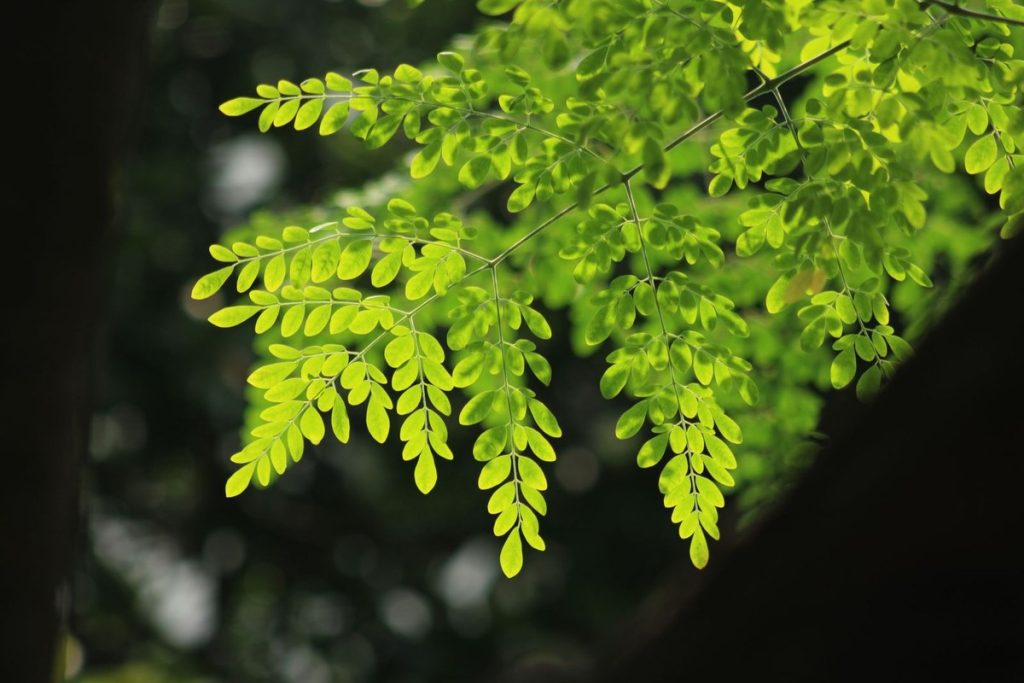
Leafy greens & superfoods
Long before moringa became a famous green powder, it was simply dinner — drumsticks simmering in sambar, tender leaves stirred into dal. Here is what this humble leafy tree genuinely offers, what the research can and cannot say, and the tastiest ways to use it.
The short answer
Moringa leaves are one of the most nutrient-dense greens in the world — rich in vitamin A, vitamin C, calcium, potassium, iron and plant protein for very few calories. Early research suggests they may also support healthy blood sugar and cholesterol, though the human evidence is still young. Eaten as a leaf or a modest spoonful of powder, moringa is a genuinely useful addition to a varied diet — a food to enjoy, not a medicine to rely on.
From the sambar pot to the superfood shelf
If you grew up in an Indian kitchen, you probably met moringa long before it had a fashionable name. The long green pods — drumsticks — went into sambar and curries, and the small, soft leaves were stirred into dal, kneaded into thepla dough, or cooked with coconut and lentils as a simple sabzi. Many readers know the tree as sahjan, and in much of South India simply as murungai.
Today the same tree is sold around the world as capsules, teas and bright green powders, often at high prices and with very loud promises. The truth sits comfortably in between: moringa is not magic, but its leaves really are unusually nutritious, and a growing body of research — much of it still early — gives some of the traditional enthusiasm a reasonable basis. Our earlier guide on spinach vs kale vs moringa shows where it outshines the other two — and where it does not.
Nutrition snapshot
Values below are for 100 g of fresh moringa leaves — roughly a generous handful and a half of picked leaves. They are approximate, since growing conditions vary, but they explain why this leaf gets so much attention.
Per 100 g fresh moringa leaves (approximate)
Dried moringa powder concentrates these nutrients further, which is why even a teaspoon a day is a meaningful amount.
7 reasons moringa belongs in your kitchen
Each reason below pairs what moringa may support with the way people actually use it. Where the research is early, the wording says so — that honesty is deliberate.
Nutrient density in a small serving
A handful of leaves brings protein, vitamins A and C, calcium, potassium and iron together in a way almost no other green does. For anyone whose diet leans heavily on grains, moringa quietly fills several gaps at once. Use it the traditional way: a handful of fresh leaves stirred into dal or sabzi most days.
May support healthy blood sugar
Small human studies and a larger body of animal research suggest moringa leaf may help blunt blood-sugar rises after meals, possibly through plant compounds that slow carbohydrate breakdown. The evidence is promising but not conclusive, and moringa is not a diabetes treatment. As food, though, adding leaves to a meal is a sensible habit — the fibre and protein in the meal help too.
May support healthy cholesterol
Early studies, mostly small and short, have found modest improvements in cholesterol numbers with regular moringa leaf intake; plant sterols and fibre in the leaves offer a plausible mechanism. Think of it as one more heart-friendly green in the rotation, not a substitute for prescribed treatment or the bigger levers — overall diet, movement and medication as directed.
Antioxidants that help calm everyday inflammation
Moringa leaves are rich in quercetin, chlorogenic acid and other antioxidants that help protect cells from everyday oxidative stress. A diet regularly rich in colourful plants is the real strategy; moringa is simply one of the most concentrated common sources you can put on a plate.
Iron and B vitamins for everyday energy
Feeling run-down has many causes, but low iron is a common and fixable one. Moringa’s iron arrives with vitamin C in the same leaf, and vitamin C helps the body absorb plant iron — a neat built-in partnership. Its B vitamins support normal energy metabolism. A spoonful of powder in a morning smoothie, or leaves in lunch, is an easy daily routine.
Calcium for bone support
Most leafy greens are poor calcium sources because their calcium is bound up by oxalates; moringa is a useful exception, offering about 185 mg per 100 g of fresh leaves alongside vitamin K and magnesium. For readers who eat little dairy, moringa is one of the more practical plant contributors to the calcium column — as part of a bone-friendly pattern overall.
Vitamins A and C for skin, hair and eyes
Vitamin A supports normal vision and the renewal of skin, while vitamin C is needed to build collagen, the protein that keeps skin firm and hair strong at the root. Moringa supplies both generously. No leaf will transform skin or eyesight on its own, but regular moringa genuinely supports the raw materials — which is more than most beauty claims can say.
Forms of moringa — and how to use each
Almost every part of the tree on a traditional plate is fair game: leaves, young pods and flowers. These are the forms worth knowing:
Fresh leaves — dal, sabzi and thepla
The original form and, many cooks would say, the best. Strip the small leaflets from their stems, wash well, and stir into dal at the end of cooking, sauté as a sabzi with onion, garlic and coconut, or knead into thepla and paratha dough. They cook in two or three minutes.
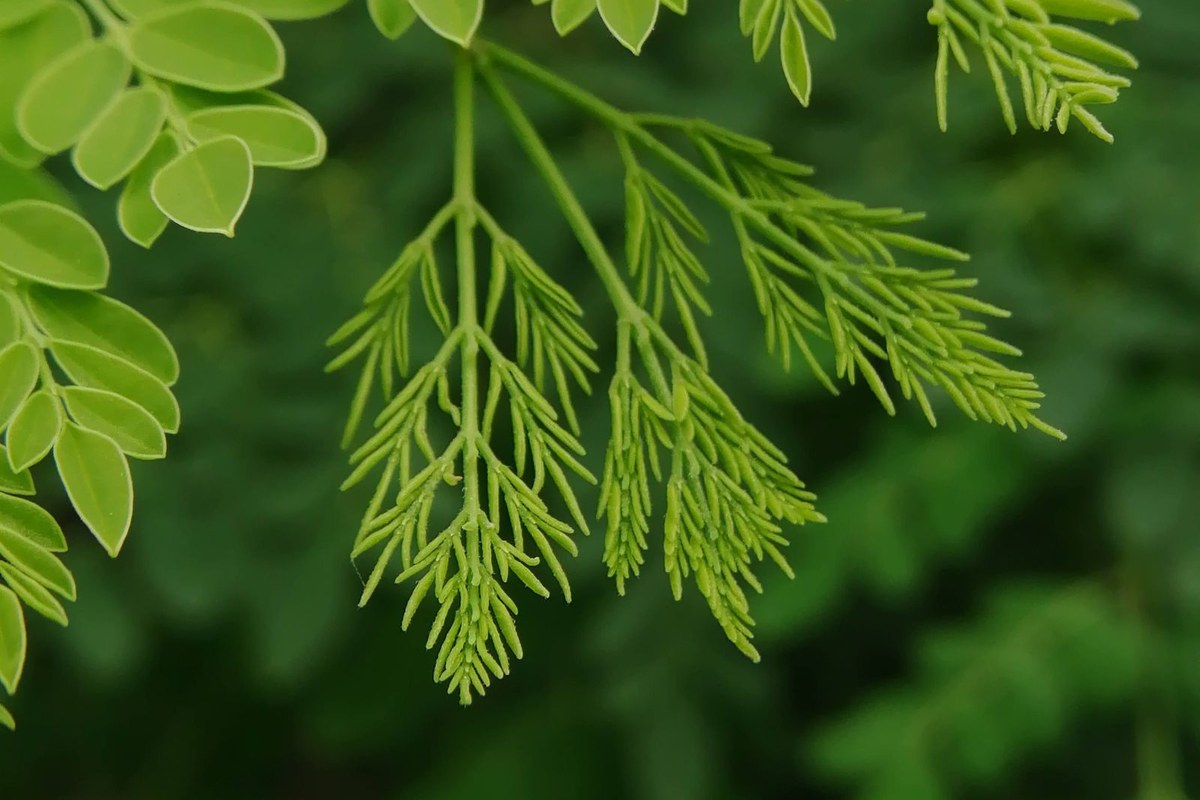
Drumsticks — sambar and curries
The long pods are the vegetable in classic sambar and many South Indian and Gujarati curries. Cut into finger-length pieces, simmer until tender, then chew the soft, flavourful pulp from the fibrous skin. Tender young pods are the most pleasant eating.
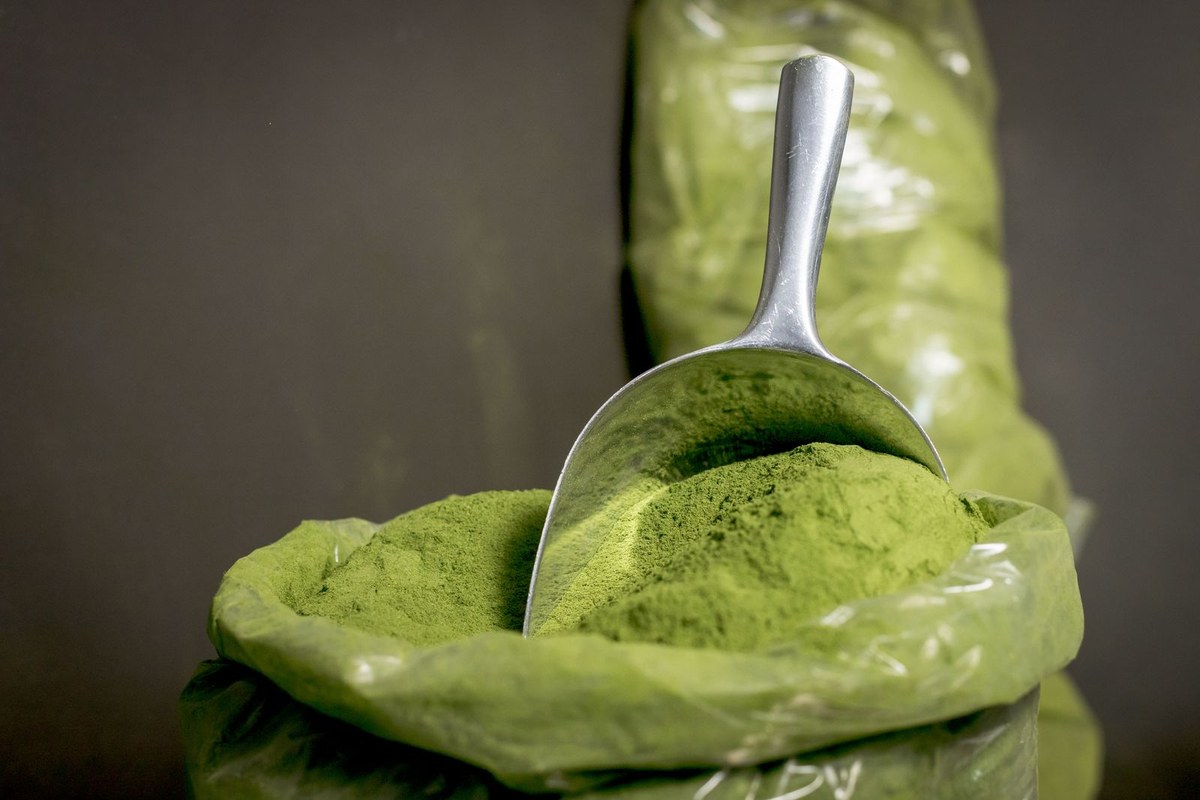
Powder — smoothies and water
Dried leaf powder is the convenient traveller’s form: whisk half a teaspoon into a smoothie, juice or a glass of water with lemon. The taste is earthy and a little peppery — start small, and let your palate adjust over a week or two.
Moringa tea
Dried leaves or tea bags steeped in hot water for five minutes make a mild, grassy tea, pleasant with ginger or lemon. Tea is the gentlest form — lower in nutrients than eating the leaf itself, but an easy daily ritual that many people keep up when powders fail.
Capsules and tablets
For people who dislike the taste entirely, capsules deliver a measured amount without flavour. Quality varies widely between brands, so choose products that list the leaf amount clearly, and treat capsules with the same medication cautions below — concentrated forms deserve more respect, not less.
Flowers and seeds — the traditional extras
The delicate white flowers are cooked as a seasonal vegetable in parts of India, and the seeds inside mature pods are eaten roasted. Enjoy them as foods if they are part of your tradition — just leave roots and bark alone, for the reasons below.
How much is sensible?
For fresh leaves, a handful — about a cup of picked leaves — cooked into a meal is a natural, traditional serving, a few times a week or daily. For powder, most people do well starting with half a teaspoon a day for the first week, then building to 1 teaspoon (about 2–3 g) if it agrees with them. More is not automatically better: moringa is concentrated plant material, and the research amounts are modest. Buy powder from a reputable source, and store it airtight away from light.
Cautions worth knowing
Handpick Moringa Oleifera Leaf Powder
The convenient form this article recommends when fresh leaves are hard to find in a Canadian winter:
- Pure moringa leaf powder — whisk half a teaspoon into a smoothie, juice or water with lemon, exactly as the article suggests
- Also works in tea, soups and cooking when you want the leaf without the shopping trip
- Resealable pack that keeps for months in the pantry
As an Amazon Associate I earn from qualifying purchases.
Frequently asked questions
Is moringa better than spinach?
Neither wins outright — they have different strengths. Moringa leads on protein, calcium and vitamin A; spinach brings more folate and vitamin K per serving and is far easier to buy fresh in Canada. The healthiest answer is the boring one: use both, in rotation, and let each cover the other’s gaps.
Can I eat moringa every day?
For most healthy adults, yes — a handful of cooked leaves or up to a teaspoon of powder daily fits comfortably in a varied diet, and daily use is exactly how it is eaten in the regions where it grows. Vary your greens across the week, and follow the cautions above if you are pregnant or take diabetes or blood-pressure medication.
Powder or fresh leaves — which is better?
Fresh leaves win on taste, price and gentle portions; powder wins on convenience and concentration, and keeps for months. Nutritionally, a teaspoon of good powder roughly matches a generous handful of fresh leaves. Choose the form you will actually use every week — consistency beats intensity here.
Does moringa help diabetes?
It may help a little. Small studies suggest moringa leaf can soften blood-sugar rises after meals, but the research is early and the effects modest. Enjoy moringa as a supportive food inside your overall eating pattern — it is not a treatment, and it never replaces medication, monitoring or your doctor’s advice.
Bottom line
Moringa does not need its “miracle” nickname — the plain facts are impressive enough: a humble tree leaf with the protein, calcium, iron and vitamins of a far fussier superfood, already at home in sambar, dal and sabzi. Add it to your rotation, start small, keep the claims in proportion, and let it do quietly what good greens do.
Sources and further reading
The nutrition values and general guidance in this article reflect information published by the following references. Figures are approximate and provided for general education.
- USDA FoodData Central. Nutrient profile for moringa leaves (drumstick leaves, raw) — the source for the approximate values in the nutrition snapshot.
- Health Canada. Guidance on vegetables, fruit and plant-based eating as part of a balanced dietary pattern.
- Mayo Clinic. Consumer health information on dietary supplements, including cautions about interactions with prescribed medication.