
Golden spice · Kitchen staple
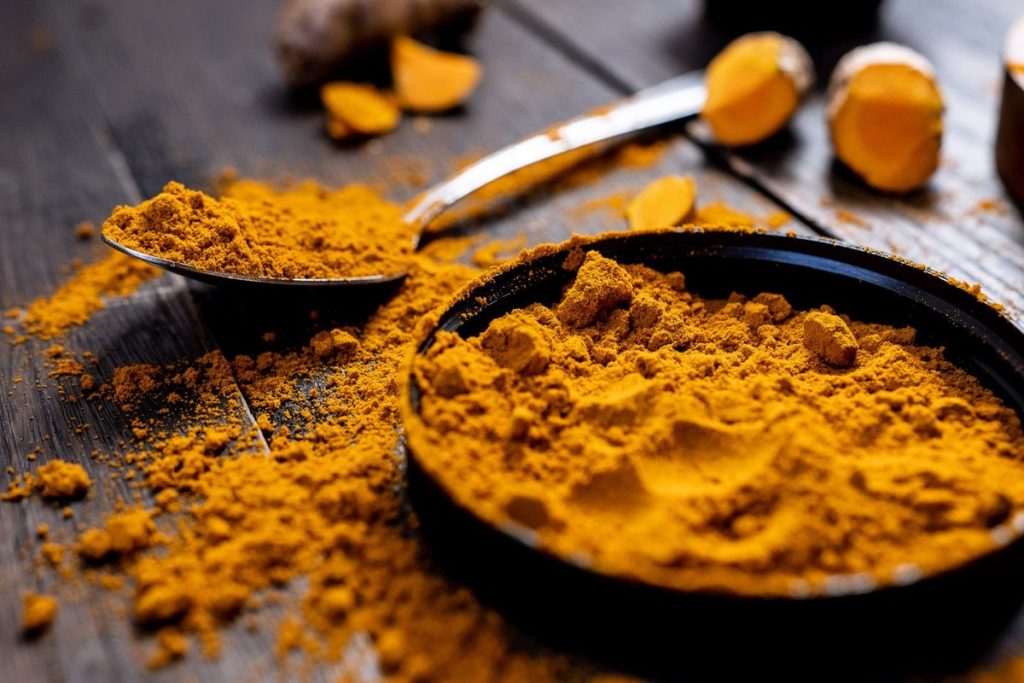
It colours the curry, warms the milk and stains the wooden spoon — and behind that famous gold colour sits one of the most studied plant compounds in food. Here is what turmeric may genuinely do for you, how much makes sense, and the tastiest ways to use it every day.
The short answer
Turmeric is a genuinely useful everyday spice. Its gold colour comes from curcumin, a plant compound linked to antioxidant and anti-inflammatory activity, and the spice itself brings iron, manganese and fibre for almost no calories. The honest catch is dose: a teaspoon in cooking is a small amount of curcumin, so think of turmeric as a healthy daily habit that may support your joints, digestion, heart and brain — not as a medicine, and never as a replacement for prescribed treatment.
The gold in your spice drawer
Open almost any South Asian spice box and turmeric is there, glowing orange-yellow beside the cumin and coriander. Known as haldi in Hindi, it has coloured curries, dals, rice and pickles for thousands of years — and stirred into warm milk with a pinch of black pepper, it becomes haldi doodh, the home remedy generations of grandmothers reached for before golden milk ever appeared on a café menu.
Modern research has spent decades testing that traditional faith. The answer is more modest than the headlines: curcumin shows real activity in laboratory and clinical studies, but it is poorly absorbed on its own, and food amounts are small. That does not make turmeric useless — it makes it a spice to use often, in real food, with sensible expectations.
Nutrition snapshot
Values below are for 100 g of ground turmeric — far more than anyone eats at once, but the standard way to compare spices. They are approximate, since varieties differ.
Per 100 g ground turmeric (approximate)
The practical point: no one eats 100 g of turmeric, so judge it by the teaspoon. At that scale it adds colour, warmth and a little nutrition for almost no calories — and used daily, those teaspoons add up.
7 reasons turmeric deserves a daily spot
Each reason below pairs what turmeric may support with the way people actually use it. Where the research is early or the dose matters, the wording says so — that honesty is deliberate.
A rich source of curcumin antioxidants
Curcumin is one of the most studied plant antioxidants, helping to neutralise everyday oxidative stress — the wear and tear that comes with normal metabolism, sun and pollution. A diet rich in colourful plants is the real strategy; turmeric is one of the most concentrated and cheapest sources you can put in a pan.
May help calm everyday inflammation
Curcumin appears to nudge several inflammation pathways in the body, which is why it is studied for conditions where low-grade inflammation plays a role. Food-level amounts will not switch inflammation off, but a daily teaspoon in cooking is a reasonable, low-risk way to keep an anti-inflammatory food in your routine.
May support joint comfort
Several clinical trials of curcumin extracts have found modest improvements in joint comfort and stiffness, particularly for osteoarthritis — though most used concentrated extracts far stronger than cooking spice. The food version is gentler and slower, but regular turmeric in meals, alongside weight management and movement, is a sensible part of a joint-friendly pattern. Our guide to vegetables for joint pain and arthritis covers the wider plate.
May support digestion
Turmeric has a long traditional role as a digestive spice, and studies suggest it may help stimulate bile flow and ease occasional bloating after rich meals. That is one reason it sits so naturally in heavy dishes: it is not just colour, it is part of how the meal is meant to be digested.
May support brain health
Curcumin can reach the brain, and researchers are studying whether it may support memory and mood by protecting brain cells and encouraging a growth factor called BDNF. Human evidence is still early and mostly from supplements, not cooking — so enjoy turmeric as one brain-friendly ingredient among many, including oily fish, berries, leafy greens and good sleep.
May support heart health
Early research links curcumin with modest improvements in blood-vessel lining and in cholesterol and triglyceride patterns, likely through its antioxidant and anti-inflammatory activity. The effect from food alone is small, but turmeric usually arrives in dishes full of lentils, vegetables and olive oil — exactly the pattern heart research favours.
May support immunity and skin
Turmeric’s antioxidant and antimicrobial traditions — including the old practice of applying turmeric paste to minor scrapes — rest on real plant chemistry, and small studies suggest regular intake may support immune function. For skin, the honest claim is indirect: vitamin C, zinc and a varied diet do most of the work, and turmeric contributes its antioxidants to the mix.
Ways to use turmeric every day
Turmeric is one of the easiest healthy habits to keep, because it fits into food you already cook:
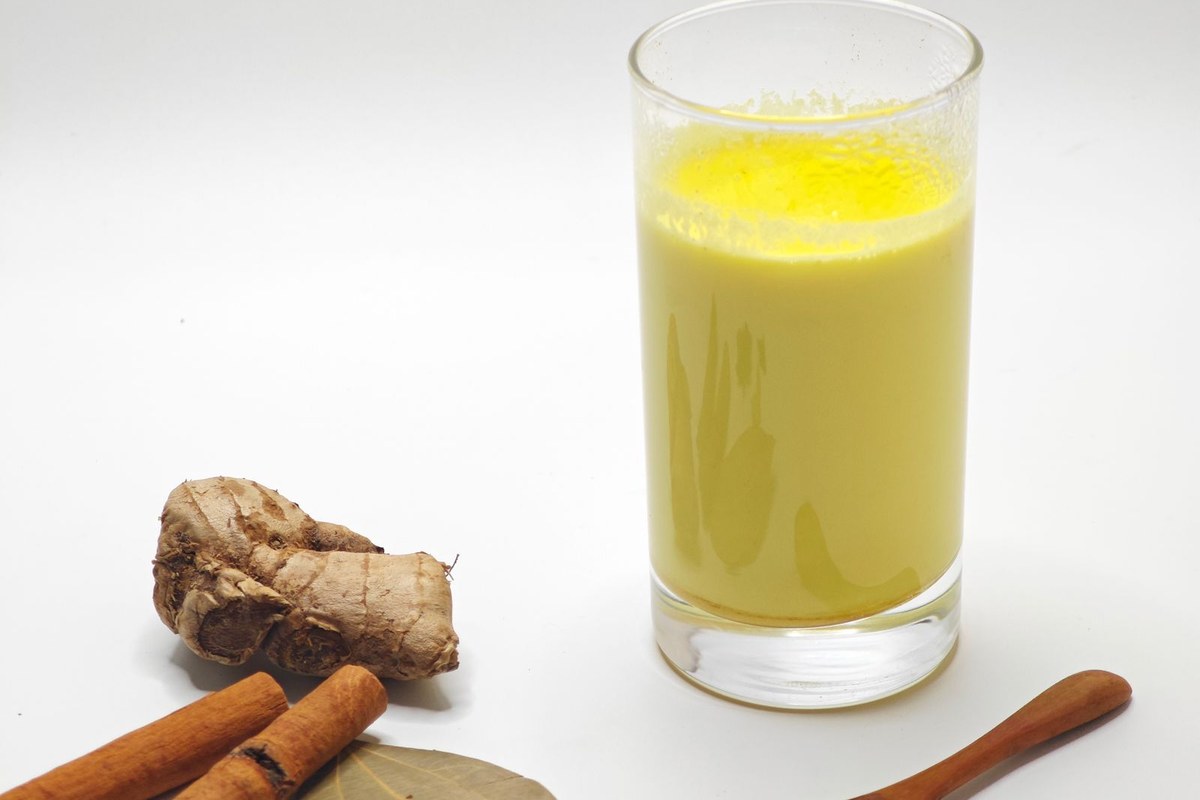
Golden milk (haldi doodh)
The classic: warm milk — dairy or oat — with half a teaspoon of turmeric, a pinch of black pepper, a little ginger and a touch of honey. The pepper matters, because piperine helps the body absorb curcumin, and the fat in the milk helps too.
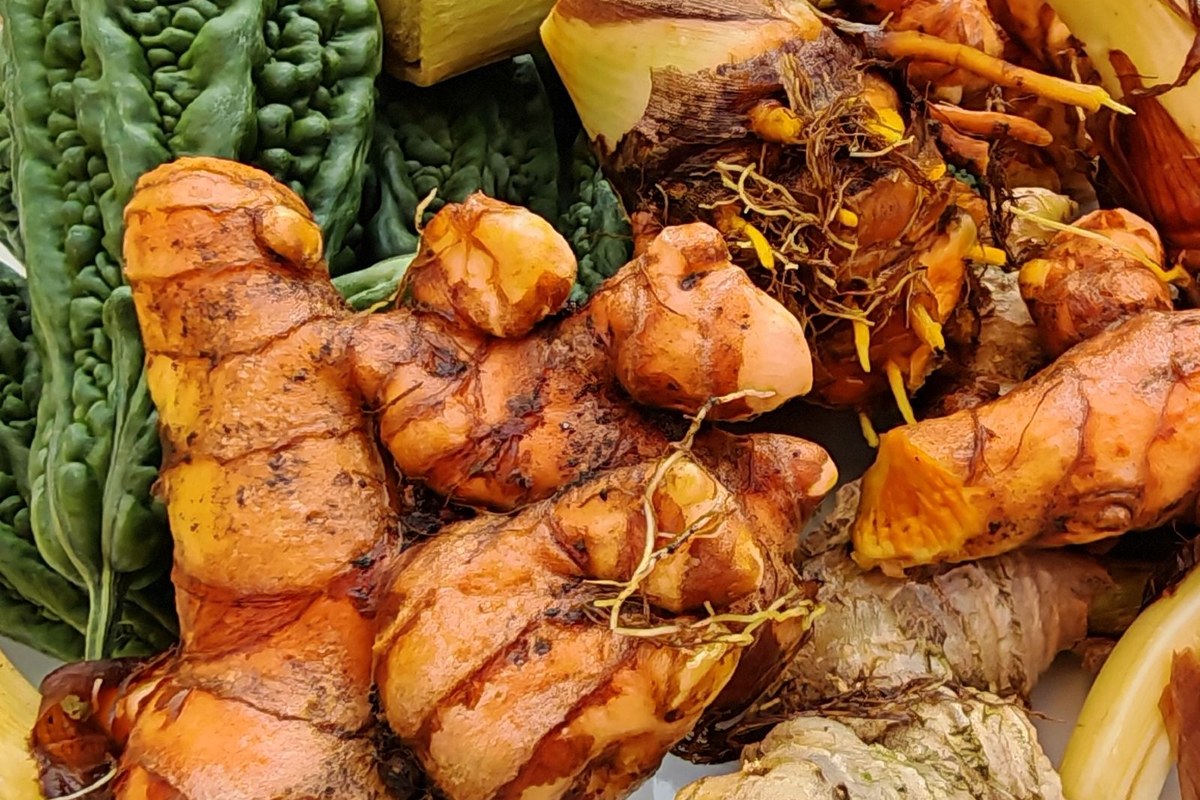
Curries, dals and sabzi
The original home of turmeric. Bloom half a teaspoon in oil or ghee with your tadka before adding lentils or vegetables — cooking it in fat improves both flavour and absorption. If you cook Indian food, you are probably already doing this.
Rice and grains
A quarter teaspoon in the cooking water turns plain rice, quinoa or couscous golden and fragrant, with no extra effort. Turmeric rice with lemon and peas is a weeknight staple in many homes.
Roasted vegetables and soups
Toss cauliflower, carrots, sweet potatoes or chickpeas with turmeric, cumin and olive oil before roasting, or stir a teaspoon into lentil soup, pumpkin soup or chicken broth. Roasting deepens the colour and mellows the earthiness.
Turmeric tea
Simmer sliced fresh root — or half a teaspoon of powder — in water with ginger and lemon for five minutes, then strain. Lighter than golden milk and caffeine-free.
How much is sensible?
For cooking, half to 1 teaspoon of ground turmeric a day is a natural, traditional amount — the quantity most curries and golden milks already contain. Fresh root can be used more generously: about a thumb-sized piece, grated, is roughly a teaspoon of powder. Pair turmeric with a pinch of black pepper and a little fat whenever you can; both improve curcumin absorption.
Cautions worth knowing
Splendor Garden Organic Turmeric Powder — 454 g
If you want to start the daily turmeric habit from this article, this is the simple way to do it:
- 100% organic ground turmeric — nothing else in the ingredients
- Generous 454 g bag — at a teaspoon a day, it lasts for months
- Ready for golden milk, curries, rice, roasting and smoothies — no grinding at home
As an Amazon Associate I earn from qualifying purchases.
Frequently asked questions
Fresh turmeric or powder — which is better?
Both are good, and they suit different kitchens. Fresh root is brighter and more aromatic, and lovely in teas and juices; powder is cheaper, keeps for a year or more, and is what most recipes assume. A thumb of fresh root roughly equals a teaspoon of powder. Use whichever you will actually reach for.
Does cooking destroy curcumin?
Not meaningfully. Curcumin survives normal cooking well — curries simmer for an hour and keep their colour. Very long, high-heat frying can reduce it somewhat, but ordinary cooking in oil with black pepper is exactly how turmeric is meant to be used.
Can I take turmeric every day?
For most healthy adults, yes — a teaspoon in cooking daily is a traditional, time-tested habit across South Asia. Vary your spices across the week, and follow the cautions above if you take blood-thinning medication or are considering concentrated supplements.
Bottom line
Turmeric will not transform your health overnight, and anyone promising that is selling something. What it will do, quietly and cheaply, is put a well-studied antioxidant spice into your daily cooking — in golden milk, dals, rice and roasts — where it may support your joints, digestion, heart and brain a little, every day. That is a very good deal for a teaspoon.
Sources and further reading
The nutrition values and general guidance in this article reflect information published by the following references. Figures are approximate and for general education.
- USDA FoodData Central. Nutrient profile for ground turmeric (spices, turmeric, ground) — the source for the approximate values in the nutrition snapshot.
- Health Canada. Guidance on vegetables, fruit and plant-based eating as part of a balanced dietary pattern.
- Mayo Clinic. Consumer health information on dietary supplements, including cautions about interactions with prescribed medication.