
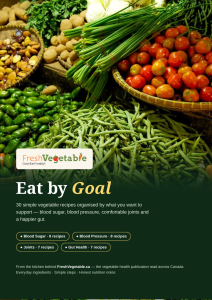

A varied plate gives your gut different fibres to work with.
The short answer
No single vegetable can “fix” digestion. A better strategy is to eat a variety of vegetables regularly, increase fibre gradually and drink enough fluid. Broccoli, artichokes, Brussels sprouts, asparagus, onions, garlic, leeks, peas, carrots and sweet potatoes all fit the plan—if they agree with your body.
A healthier gut starts with a pattern, not a “superfood”
Your digestive tract is home to a large community of microorganisms known collectively as the gut microbiome. What you eat helps shape the environment in which those microbes live. Vegetables matter because they deliver several kinds of dietary fibre, along with water and a broad mix of plant compounds.
Some fibre adds bulk and helps waste move through the bowel. Some holds water, which can help keep stool softer. Certain fibres are fermented by microbes in the colon and act as prebiotics—food for bacteria already living there. That is why variety usually beats relying on one “best” vegetable.
Fibre is not a universal cure, and digestive symptoms have many causes. Still, eating more plant foods is a practical foundation for many people. Health Canada identifies vegetables, fruit, beans, lentils, nuts, seeds and whole grains as fibre sources, while the U.S. National Institute of Diabetes and Digestive and Kidney Diseases recommends increasing fibre gradually and pairing it with adequate liquids.
Fibre feeds microbes and supports regularity in different ways
The word fibre describes a family of carbohydrates that the human digestive system does not fully break down. Different fibres behave differently, which is one reason a varied diet is more useful than concentrating on a single supplement or food.
- Fermentable fibre: Gut microbes can break down some fibres and produce short-chain fatty acids. These compounds help create the local conditions in which the cells lining the colon and the microbial community function.
- Soluble fibre: This type mixes with water and can form a gel-like texture. It is found across plant foods, including legumes and some vegetables.
- Insoluble fibre: This type contributes bulk and can help material move through the digestive tract. Vegetable skins, stems and many intact plant structures contribute it.
- Prebiotic fibre: This is fibre that is selectively used by beneficial gut microorganisms. Foods commonly highlighted as prebiotic sources include artichokes, asparagus, leeks, garlic and onions.
The practical takeaway is simple: rotate vegetables with different textures, colours and plant families. A meal containing broccoli, carrots and lentils gives the digestive system a broader mix than eating the same small side salad every day.
The best vegetables offer complementary benefits
“Best” does not mean you must eat every vegetable below, or that one choice is medically superior for everyone. These are useful options because they bring fibre, fit ordinary meals and cover several plant families.
Broccoli
Why it fits: Broccoli contributes fibre and is easy to find fresh or frozen.
Try it: Steam until just tender, roast with olive oil, or add small florets to soup. If raw broccoli feels uncomfortable, start with a modest cooked portion.
Globe artichokes
Why it fits: Artichokes contain inulin-type fructans that some gut bacteria can ferment.
Try it: Steam whole artichokes, use plain frozen hearts, or rinse lower-sodium canned hearts. Begin with a small serving if you are sensitive.
Brussels sprouts
Why they fit: These compact cruciferous vegetables add fibre and variety.
Try them: Halve and roast until browned, or shred and sauté. Thorough cooking and a smaller portion may be gentler than a large raw slaw.
Asparagus
Why it fits: Asparagus is commonly cited as a prebiotic vegetable and works well as a side, soup ingredient or grain-bowl topping.
Try it: Roast or steam the spears and keep the texture tender-crisp. Frozen asparagus is useful in soups when fresh is expensive.
Onions, garlic and leeks
Why they fit: These alliums contain fermentable fibres and bring flavour, making vegetable-rich meals more appealing.
Try them: Cook slowly as a base for soups and sauces. If they trigger symptoms, flavour oil with garlic and remove the solids.
Green peas
Why they fit: Peas combine fibre with plant protein and are an easy freezer staple.
Try them: Stir into rice, pasta, soup or mashed potatoes during the final minutes of cooking.
Carrots
Why they fit: Carrots are affordable, versatile and a useful fibre source.
Try them: Grate raw carrot into a salad, roast chunks, or simmer in soup. Cooked carrots provide a softer texture for days when raw vegetables feel too rough.
Sweet potatoes
Why they fit: Sweet potatoes contribute fibre and can make a vegetable-forward meal satisfying.
Try them: Roast with the skin when tolerated, or bake and top with lentils, greens and plain yogurt or a tahini dressing.
Fermented and fibre-rich vegetables do different jobs
Fresh, frozen or cooked vegetables mainly contribute fibre and plant nutrients. Fermented vegetables—such as sauerkraut, kimchi and traditionally fermented pickles—may also contain live microorganisms. Those roles overlap, but they are not identical.
Provide fermentable fuel, water-holding capacity and bulk. Choose fresh, frozen or canned.
May add live microbes. Look for “live cultures” and follow refrigeration directions.
Still provide flavour, but heat treatment may mean the microbes are no longer live.
Harvard Health notes that heat treatment or pasteurization can kill the live microbes in fermented foods. If live cultures are your goal, look for wording such as “unpasteurized” or “contains live cultures,” keep the product refrigerated as directed and follow the package instructions. Fermented vegetables can also be high in sodium, so a small side portion is often enough.
There is no need to choose between fibre and fermented foods. Pairing a spoonful of sauerkraut with a lentil-and-vegetable bowl, or adding kimchi beside brown rice and cooked greens, gives you both. If you do not enjoy fermented foods, you can still build a nutritious, fibre-rich eating pattern without them.
Preparation and pacing can make vegetables easier to tolerate
More fibre is not always more comfortable on day one. Gas is a normal product of microbial fermentation, but pain, persistent bloating or major bowel changes deserve attention. These adjustments can make a transition easier:
- Increase portions gradually rather than changing every meal at once.
- Cook firm vegetables by steaming, roasting, simmering or sautéing to soften their structure.
- Chew well and eat at a calm pace.
- Drink water and other suitable fluids regularly through the day.
- Use frozen vegetables when convenience matters; they are practical for soups, stir-fries and bowls.
- Keep a simple food-and-symptom note if you are trying to identify a pattern, but avoid eliminating many foods without professional guidance.
A simple three-day gut-friendly meal idea
This plan is a flexible example, not a prescription. Adjust portions to appetite, medical needs, culture and budget. If you are new to high-fibre eating, use smaller vegetable and legume portions and build up gradually.
Day 1 — Start gently
- Breakfast: Oatmeal with berries and plain yogurt, or an unsweetened fortified soy alternative.
- Lunch: Carrot, red lentil and sweet potato soup with whole-grain toast.
- Dinner: Roasted salmon or tofu with cooked broccoli, brown rice and lemon.
- Optional side: One or two forkfuls of refrigerated sauerkraut if tolerated.
- Prep note: Cook extra rice and roast an extra tray of vegetables for Day 2.
Day 2 — Add variety
- Breakfast: Whole-grain toast with egg or mashed white beans, plus sliced tomato.
- Lunch: Warm bowl with leftover brown rice, roasted broccoli, carrots, green peas and tahini-lemon dressing.
- Dinner: Chickpea and vegetable stew with spinach; season with a little cooked onion and garlic if tolerated.
- Optional side: A small serving of kimchi or fermented pickles.
- Prep note: Set aside cooked chickpeas and vegetables for Day 3 lunch.
Day 3 — Bring the pattern together
- Breakfast: Plain yogurt or kefir with oats, fruit and seeds, or a plant-based bowl with the same toppings.
- Lunch: Chickpea, artichoke-heart and roasted vegetable salad over greens; use a small artichoke portion if you are sensitive.
- Dinner: Baked sweet potato topped with lentils and sautéed spinach, served with roasted Brussels sprouts.
- Optional side: Cucumber and carrot sticks, or a small portion of a tolerated fermented vegetable.
- Prep note: Notice which portions and preparations felt most comfortable; repeat those next week.
Build the habit with a simple weekly formula
For most weeks, you do not need a special gut-health menu. Choose a few vegetables from different groups, prepare them in ways you enjoy and combine them with whole grains and protein foods.
- One cruciferous vegetable: broccoli, Brussels sprouts, cabbage or cauliflower.
- One orange or red vegetable: carrots, sweet potato, pumpkin or peppers.
- One green vegetable: spinach, kale, peas, asparagus or bok choy.
- One flavour base: onion, garlic or leek, in the amount you tolerate.
- One optional fermented food: refrigerated sauerkraut, kimchi or another product with live cultures.
Repeat vegetables you like, but change one or two choices each week. Consistency matters more than perfection, and frozen or low-sodium canned vegetables count when they make regular eating easier.
Know when food advice is not enough
Talk with a health professional if digestive symptoms are persistent, worsening or interfering with daily life. Seek prompt care for warning signs such as blood in the stool, black stool, unexplained weight loss, repeated vomiting, fever, severe abdominal pain, dehydration, or a major unexplained change in bowel habits. People with bowel disease, a history of intestinal narrowing or surgery, or a medically prescribed diet should ask their clinician before making a large increase in fibre.
Jamieson Probiotic 10 Billion Active Cells
Fermented and fibre-rich vegetables feed your gut; a daily probiotic is the routine many readers pair with them:
- 10 billion active cells per capsule from a trusted Canadian brand
- Supports digestive health as part of a gut-friendly routine
- Rated 4.7 stars from 5,400+ Amazon.ca ratings
As an Amazon Associate I earn from qualifying purchases.
Bottom line
Feed your gut with variety: include fibre-rich vegetables often, use fermented vegetables as an optional complement, increase fibre gradually and pay attention to your own tolerance. A repeatable pattern of ordinary meals is more valuable than a perfect “gut-health” plate once in a while.
Sources and further reading
The health claims in this article are grounded in the following public-health and university resources.
- Health Canada. Fibre
- National Institute of Diabetes and Digestive and Kidney Diseases. Eating, Diet, & Nutrition for Constipation
- Harvard Health Publishing. How to feed your gut
- National Institutes of Health. Health benefits of dietary fibers vary
- Health Canada. Applying Canada’s Dietary Guidelines
- Harvard T.H. Chan School of Public Health. Vegetables and Fruits