
Joint health & everyday eating
Stiff knees in the morning, aching fingers on cold days — joint pain touches daily life in small, stubborn ways. No single vegetable can repair a joint, but the foods you eat every day may help calm the inflammation behind the ache. Here are seven vegetables worth putting on your plate.
The short answer
Arthritis pain is driven in large part by inflammation, and a diet rich in colourful vegetables may help keep that inflammation lower. The seven vegetables below are rich in antioxidants, vitamin C, vitamin K and plant compounds linked in research to calmer inflammatory responses. They work best as part of an overall eating pattern — alongside healthy fats, whole grains and regular movement — not as a cure on their own.
Why food matters for aching joints
Arthritis is not one condition but a family of them. In osteoarthritis, cartilage wears down over time; in rheumatoid arthritis, the immune system attacks the joint lining. Different causes, but both involve inflammation — and that is where food comes in. What you eat cannot regrow cartilage or switch off an autoimmune condition, yet a steady diet of anti-inflammatory foods may help reduce the background level of inflammation that makes joints feel stiff and sore.
Vegetables help in several overlapping ways. Their antioxidants mop up the everyday oxidative stress that can worsen tissue damage. Their fibre feeds gut microbes that influence inflammation throughout the body. And several carry specific plant compounds — sulforaphane in broccoli, quercetin in onions, betalains in beets — that researchers have studied for their inflammation-calming effects. Our guide to vegetables for strong bones and healthy joints covers the bone side of the story; this article focuses on the inflammation side, the part most closely tied to daily pain.
Nutrition snapshot
These are the nutrients that keep showing up in joint-friendly eating patterns. No single one does the job alone — it is the combination, eaten often, that may help.
Aim for colour on the plate: deep green, orange, red and purple vegetables each bring a different set of protective compounds.
7 vegetables that may help joint pain
Each vegetable below earns its place through nutrients, plant compounds, or both — and through being easy to cook often, which matters more than any single nutrient.
Broccoli
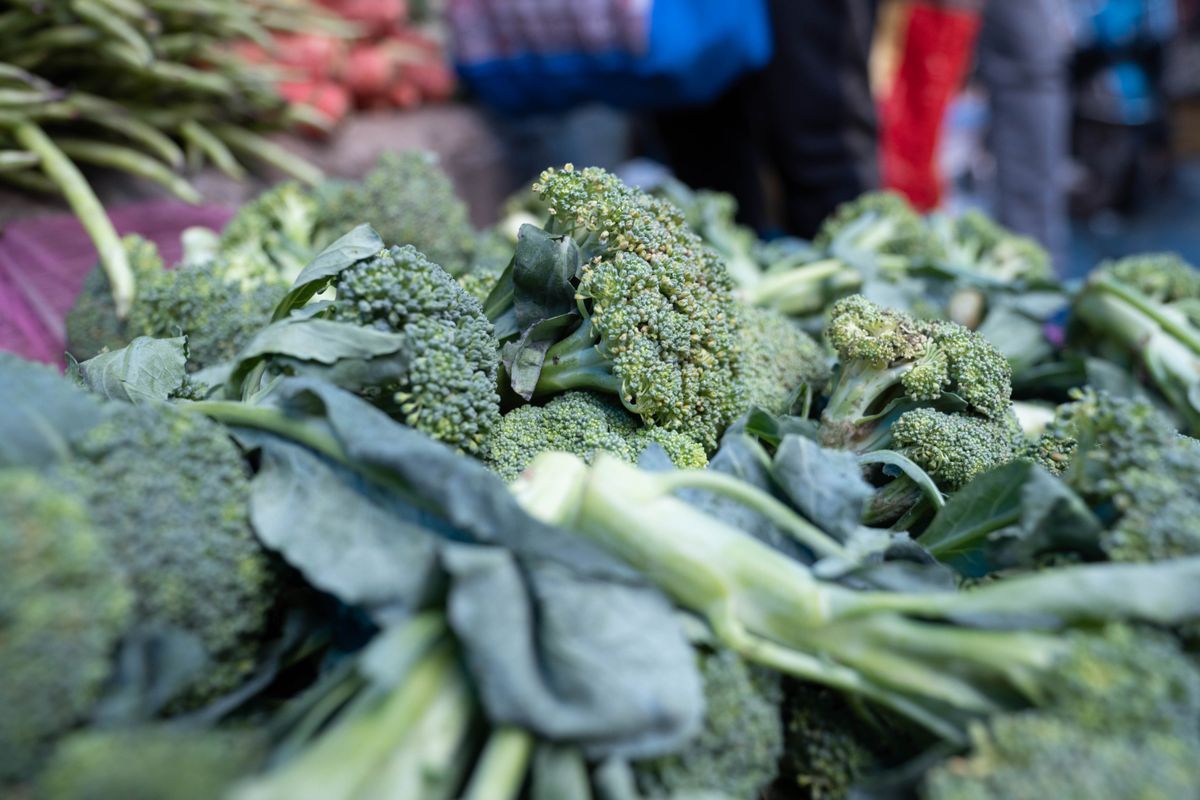
Broccoli is the joint-health headliner for good reason. It is rich in sulforaphane, a compound researchers have studied for slowing cartilage breakdown, and it also brings vitamin C and vitamin K. Laboratory studies suggest sulforaphane may help block enzymes that damage cartilage, though human evidence is still developing. Steam it lightly or roast it — overcooking dulls both flavour and nutrients.
Spinach
Spinach delivers vitamin K, magnesium and iron in a soft, easy-to-eat leaf. Vitamin K supports the proteins that keep cartilage and bone healthy, and the leaf’s antioxidants may help calm everyday inflammation. A handful wilted into soup, dal or eggs is one of the simplest joint-friendly habits there is — and frozen spinach keeps nearly all of the benefit.
Sweet potatoes
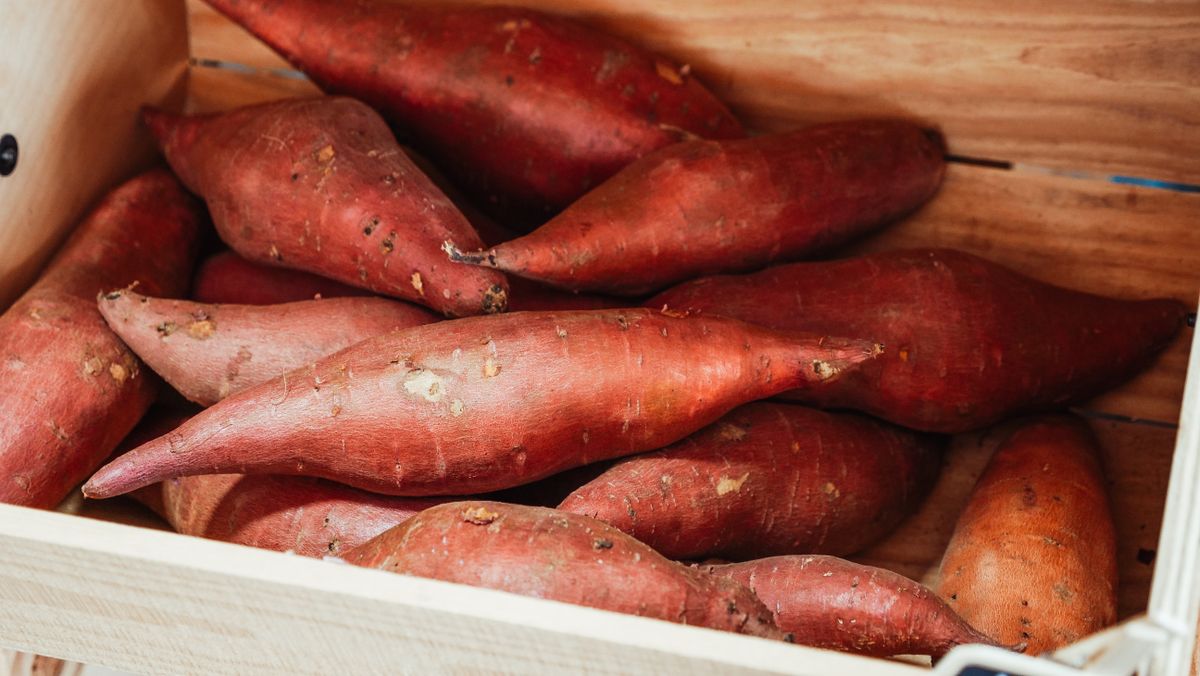
Sweet potatoes are one of the richest sources of beta-carotene, which the body converts to vitamin A, an antioxidant that supports immune balance. They also supply vitamin C and potassium, and their gentle starch makes them a satisfying swap for refined grains. Roasted wedges, mash or soup — all three keep the skin on for extra fibre.
Red bell peppers
A single red bell pepper can provide well over a day’s vitamin C, the nutrient your body needs to build and maintain collagen in cartilage and tendons. Red peppers also carry carotenoids that give them their colour and antioxidant power. Eat them raw in salads for the most vitamin C, or roast them for sweetness — both ways count.
Beets
Beets get their deep colour from betalains, plant pigments studied for antioxidant and anti-inflammatory effects. They also supply nitrates, which the body converts to nitric oxide, supporting healthy blood flow to muscles and joints. Roasted beets in salads, grated raw into slaw, or blended into soup are all easy ways to eat them weekly.
Kale
Kale is among the most nutrient-dense greens available: vitamin K, vitamin C, calcium and quercetin in a sturdy leaf. Its calcium is also relatively well absorbed compared with some other greens. Massage raw kale with a little olive oil and lemon for salads, or stir it into soups and stews where it holds its texture beautifully.
Onions
Onions are easy to overlook, but they are one of the richest everyday sources of quercetin, a flavonoid linked in research to calmer inflammatory responses. They also provide prebiotic fibre that feeds beneficial gut bacteria. Since onions form the base of so many meals, they are the quietest way to add joint-friendly compounds daily — red onions carry the most quercetin of all.
Ways to eat them every week
Joint-friendly eating only works if it survives a busy week. These four routines make the seven vegetables above almost automatic:
The sheet-pan roast
Toss broccoli, sweet potato chunks, red pepper strips and onion wedges in olive oil, salt and garlic, and roast at 200 °C until caramelised. One tray, four joint-friendly vegetables, and leftovers that reheat well for lunch the next day.
Soups and stews
Spinach and kale wilt into any soup in the last five minutes, beets deepen a borscht-style pot, and onions are the base of nearly every stew. A weekly big pot is the easiest way to eat five or six of these vegetables without thinking about it.
Salads and slaws
Raw red pepper, grated beet and massaged kale make a colourful slaw that keeps for days in the fridge. Add chickpeas or lentils and a lemon-olive oil dressing, and you have a lunch that covers fibre, protein and antioxidants in one bowl.
Stir-fries and sautés
Broccoli, peppers and onions cook in minutes in a hot pan with ginger and garlic — two more inflammation-friendly ingredients. Serve over brown rice or quinoa for a complete, joint-friendly dinner on a weeknight.
How much is sensible?
There is no prescribed dose of vegetables for arthritis, and that is the point: the benefit comes from pattern, not precision. A practical target is to fill about half your plate with vegetables at lunch and dinner, and to include at least two or three of the seven above most days. Variety across the week matters more than eating a mountain of one vegetable.
Cautions worth knowing
Webber Naturals Turmeric Curcumin with Black Pepper — 60 Capsules
If you want to add the joint-support compound from turmeric to your routine alongside the vegetables above, this is a simple, well-known Canadian option:
- Turmeric extract with black pepper extract for better absorption — the pairing used in most joint-support research
- One capsule a day, from a long-established Canadian natural health brand
- Vegan capsules, sold by Amazon.ca — a convenient pantry staple for the months when fresh turmeric is hard to find
As an Amazon Associate I earn from qualifying purchases.
Frequently asked questions
Can diet really help arthritis pain?
It may help, modestly. Studies of anti-inflammatory eating patterns — rich in vegetables, fish, olive oil and whole grains — show small but real improvements in pain and stiffness for many people. Diet works alongside, never instead of, medical treatment, movement and weight management.
Which single vegetable is best for joints?
There is no single winner, but broccoli is the most studied, thanks to sulforaphane. The honest answer is the boring one: the best vegetable is the one you will eat several times a week, so rotate the seven above rather than betting everything on one.
Should I avoid nightshade vegetables?
For most people, no. Tomatoes, peppers, eggplant and potatoes are nutritious, and no strong evidence links them to worse arthritis. A small number of people report personal triggers — if that is you, keep a simple food-and-symptom diary and discuss it with your doctor.
Are frozen vegetables as good as fresh?
Yes, very nearly. Vegetables are usually frozen soon after harvest, which preserves most vitamins and plant compounds. Frozen broccoli, spinach and mixed vegetables are affordable, waste-free and perfect for soups, stir-fries and sheet-pan roasts.
Bottom line
Joint pain rarely has a single fix, but your plate is one lever you control every day. Broccoli, spinach, sweet potatoes, bell peppers, beets, kale and onions each bring something useful — and together, eaten often, they may help keep inflammation lower and joints a little more comfortable. Start with the sheet-pan roast, keep the pattern steady, and let your doctor handle the treatment side.
Sources and further reading
The nutrition values and general guidance in this article reflect information published by the following references. Figures are approximate and provided for general education.
- USDA FoodData Central. Nutrient profiles for broccoli, spinach, sweet potatoes, bell peppers, beets, kale and onions — the source for the approximate values in the nutrition snapshot.
- Health Canada. Guidance on vegetables, fruit and plant-based eating as part of a balanced dietary pattern.
- Mayo Clinic. Consumer health information on arthritis, anti-inflammatory eating patterns, and cautions about supplements and interactions with prescribed medication.