
Bone & joint health guide
Kale, broccoli, bok choy and two more vegetables rich in the calcium, vitamin K and magnesium your bones rebuild with — plus the plant-rich pattern your joints prefer.
The short answer
Bones and joints like the same grocery list. Leafy greens and cruciferous vegetables supply calcium the body can actually use, plus vitamin K, magnesium and vitamin C — the raw materials of bone maintenance and collagen. No vegetable can rebuild a worn joint or replace osteoporosis treatment, but a steady pattern of these foods, with vitamin D and regular weight-bearing movement, is a practical long-term support you control.
Your bones are living tissue, not stone
It is easy to think of the skeleton as a finished frame, but bone is alive and constantly remodelled. All through life, the body breaks down small amounts of older bone and lays down new bone in its place. In younger years building outpaces breakdown, and peak bone mass usually arrives by the late twenties. After that, the balance slowly tips — and it tips faster after menopause and with age.
The rebuilding needs supplies: calcium is the main mineral in bone; vitamin D helps the body absorb it from food; vitamin K and magnesium support bone formation; and vitamin C is needed to make collagen — the flexible framework that mineral hardens around. Miss the supplies often enough, and the body keeps blood calcium steady by quietly borrowing from the skeleton. Vegetables cannot stop ageing, but they keep the supply shelf stocked.
Joints ask for something slightly different
Joints are not rebuilt the way bone is. Cartilage — the cushion between bones — has almost no blood supply, so it repairs slowly and wears gradually. Food cannot regrow it, and no honest guide should suggest otherwise.
What food can do is shape the environment joints live in. Eating patterns rich in vegetables, legumes and whole foods — and lighter on ultra-processed foods — are linked with lower levels of the low-grade inflammation that makes stiff joints feel worse. There is also a mechanical truth: every kilogram of body weight lost takes several kilograms of load off the knees with each step, and a vegetable-rich plate is a comfortable way to eat a little less without feeling deprived. Strong muscles protect a joint further — which is why this topic pairs naturally with our guide to boosting protein intake naturally.
5 vegetables that pull double duty
These five serve bones and joints at the same time, are easy to find across Canada, and fit ordinary cooking — dals, sabzis, soups and stir-fries included.
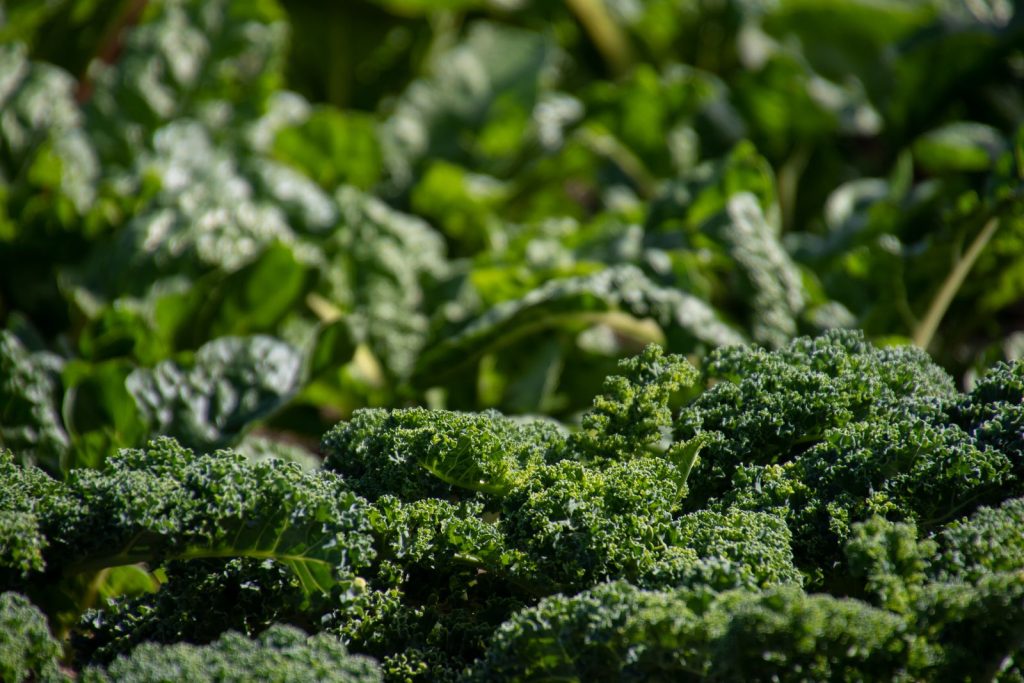
1. Kale
Why it helps: Cooked kale provides roughly 175 mg of calcium per cup, well absorbed because kale is low in oxalates. It is also one of the richest sources of vitamin K, plus vitamin C for collagen.
Best way to eat it: Massage raw kale with oil and lemon for salads, sauté with garlic, or stir into dal and soup at the end.
2. Broccoli
Why it helps: Broccoli offers modest calcium (about 60 mg per cooked cup), useful vitamin K and plenty of vitamin C. It also contains sulforaphane, a plant compound researchers are studying for cartilage health — early work, not proof, but promising.
Best way to eat it: Steam until just tender, roast with olive oil, or add florets to stir-fries and pasta. Frozen counts.
3. Bok choy
Why it helps: A cooked cup of bok choy provides about 160 mg of calcium, and absorption studies rate it among the best vegetable sources — comparable to milk per serving absorbed. It is mild and quick-cooking.
Best way to eat it: Stir-fry with garlic and ginger, simmer in soups, or steam and finish with a sesame-lemon dressing.
4. Spinach
Why it helps: Spinach is loaded with vitamin K and magnesium (about 150 mg per cooked cup), plus folate. A genuine nutrient heavyweight — with one honest catch, covered below.
Best way to eat it: Palak dishes, saag, sautéed with garlic, or blended into soups and smoothies. Enjoy it for its many nutrients — just do not count it as your main calcium source.
5. Sweet potatoes
Why they help: Sweet potatoes bring magnesium and generous potassium, plus beta-carotene and vitamin C. Potassium-rich diets are linked with better calcium balance — the body wastes less calcium when meals are rich in fruits and vegetables.
Best way to eat them: Roast wedges with skin on, bake whole, or cube into curries and stews. Their natural sweetness makes them an easy regular.
About 160 mg calcium, well absorbed. A quiet star for bone-friendly cooking.
About 175 mg calcium, well absorbed, plus a full day’s vitamin K and more.
About 60 mg calcium. Less, but easy to eat often and rich in vitamin C.
Most adults need roughly 1,000–1,200 mg of calcium a day from all foods. Greens contribute meaningfully across two or three servings, alongside dairy, fortified plant drinks, calcium-set tofu and beans.
Getting more from the same vegetables
A few simple pairings help your body use what these vegetables offer. Vitamin D is the big one: without enough of it, calcium absorption drops sharply, and vegetables contain almost none. In Canada, winter sunlight is too weak for skin to make vitamin D, so food sources matter, and Health Canada advises adults over 50 to take a daily vitamin D supplement of 400 IU; younger adults often benefit from discussing it with a clinician too. Vitamin C helps build collagen, the framework of bone and cartilage — peppers, broccoli and a squeeze of lemon over greens all help. Protein matters too: bone is partly protein, and the muscles protecting your joints are built from it — pair vegetables with lentils, beans, eggs or yogurt. And cook greens lightly — steaming or sautéing softens them, concentrates a bigger serving into a cup, and reduces some oxalates.
A simple bone-and-joint-friendly day
A flexible example, not a prescription — adjust to your tastes and your care team’s advice.
One day, built from the list
- Breakfast: Vegetable omelette with spinach and peppers, whole-grain toast, and a glass of milk or fortified soy drink.
- Lunch: Bok choy and tofu stir-fry with garlic and ginger over brown rice.
- Dinner: Roasted sweet potato wedges with palak dal (spinach lentils) and a kale salad with lemon and olive oil.
- Snack: Plain yogurt with berries, or a small handful of almonds and an orange.
- Movement note: A brisk 30-minute walk turns the day’s eating into a signal for bones to stay strong.
Beyond the plate: habits bones and joints love
Food is half the story. Bones respond to load: walking, climbing stairs, dancing, gardening and resistance exercises all tell the skeleton to maintain itself, and balance practice guards against the falls that cause most fractures.
Quitting smoking supports bone health too, and keeping alcohol modest helps. This whole-body picture — spine-friendly food, strong muscles, steady movement — is the same foundation behind our guide to eating for a stronger back and healthy lumbar spine. If you have joint pain that limits activity, a physiotherapist can help you find movements that load your bones without flaring your joints.Renew Actives Turmeric Curcumin with BioPerine — 120 Capsules
Turmeric is the golden spice behind many of this article’s joint-friendly foods; this is the concentrated capsule version:
- 95% curcuminoids with BioPerine black pepper extract for absorption
- Made in Canada — 120 capsules per bottle
- Rated 4.5 stars from 5,400+ Amazon.ca ratings
As an Amazon Associate I earn from qualifying purchases.
Frequently asked questions
Can vegetables alone meet my calcium needs?
They can contribute a meaningful share — two or three servings of low-oxalate greens add up — but most people reach the full target by combining vegetables with dairy or fortified alternatives, calcium-set tofu, beans and other foods.
Is spinach bad for my bones, then?
No. Spinach is rich in vitamin K, magnesium and folate. The only correction is accounting: do not count its calcium fully, because oxalates limit absorption. Eat it gladly — and let kale and bok choy do the heavy lifting.
Are nightshade vegetables — tomatoes, potatoes, peppers — bad for arthritis?
This is a common worry, but there is little scientific evidence that nightshades worsen arthritis for most people, and they bring useful nutrients. If you notice a personal pattern with one food, mention it to your clinician rather than cutting out a whole vegetable family.
Do I need a calcium or vitamin D supplement?
Vitamin D is the one many Canadians fall short on, especially in winter, and Health Canada recommends a daily 400 IU supplement for adults over 50. Calcium is best from food first. Whether you need either supplement depends on your diet, blood work and fracture risk — decide with your doctor or pharmacist.
When should I ask about bone density testing?
Guidelines generally suggest discussing a bone mineral density (DXA) test from about age 65, or earlier with risk factors such as a previous fragility fracture, long-term steroid use, low body weight or a parent who broke a hip. Raise it at your next appointment rather than waiting.
Bottom line
Feed the rebuild: low-oxalate greens for absorbable calcium, a mix of vegetables for vitamin K, magnesium and vitamin C, enough vitamin D and protein beside them — and regular weight-bearing movement to tell your bones the supplies are worth using.
Sources and further reading
The guidance in this article reflects the following public-health and charity resources.
- Osteoporosis Canada. Calcium and Vitamin D
- Health Canada. Canada’s Food Guide
- National Institutes of Health, Office of Dietary Supplements. Calcium — Fact Sheet for Consumers
- The Arthritis Society of Canada. Arthritis information and self-management resources