

Kidney-friendly eating guide
Cauliflower is naturally low in potassium, rich in vitamin C and fibre — why it suits kidney-conscious cooking, and how to enjoy it.
The short answer
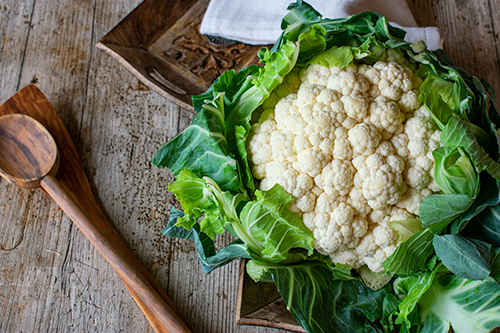
Cauliflower is one of the easiest vegetables to fit into a kidney-friendly eating pattern. It is naturally modest in potassium compared with potatoes and many other vegetables, yet still brings vitamin C, fibre and satisfying bulk to the plate. It can be steamed, roasted, mashed or turned into “rice”, so it rarely gets boring. One important note before we begin: if you have kidney disease or a prescribed potassium limit, treat this guide as background reading and confirm your personal targets with your doctor or renal dietitian.
When it comes to protecting your kidneys naturally, adding the right vegetables to your diet can make a big difference. One standout option is cauliflower – a humble yet powerful vegetable that offers multiple benefits for kidney health.
Why Kidney Health Matters
Your kidneys are responsible for filtering waste, balancing fluids, and keeping blood pressure in check. With growing rates of kidney-related issues due to poor diets and chronic diseases like diabetes and hypertension, taking proactive steps through food can go a long way.
Why low potassium matters, in plain words
Potassium is a mineral your body needs for nerves, muscles and a steady heartbeat. Healthy kidneys act like a thermostat for it, sending any extra out in the urine to keep blood levels in a narrow range. When the kidneys are not working at full strength, that thermostat becomes less reliable, and potassium from food can build up in the blood — a condition called hyperkalemia. Too much potassium may cause muscle weakness and, in serious cases, affect heart rhythm, which is why kidney diets often set a daily potassium budget.
This is exactly where cauliflower shines. Many favourite vegetables — potatoes, tomatoes, cooked spinach — are quite high in potassium, while cauliflower sits in the low-to-moderate range, so a generous serving fits most kidney-friendly plates. Low-potassium does not mean unlimited, though: portion size and your own blood results still decide what is right for you.
Cauliflower – A Nutrient Powerhouse
Cauliflower is part of the cruciferous vegetable family, which also includes broccoli, cabbage, and Brussels sprouts. What makes cauliflower special for kidney health? Here’s a breakdown:
Low in potassium
For people with kidney concerns, high potassium levels can be dangerous. Cauliflower is naturally low in potassium, making it safe for most kidney diets.
Rich in antioxidants
Cauliflower contains compounds like vitamin C and manganese, which help reduce inflammation and oxidative stress on the kidneys.
High in fiber
A fiber-rich diet supports digestion and helps remove toxins, easing the burden on the kidneys.
Contains sulforaphane
This natural compound supports detoxification enzymes in the liver and kidneys, helping protect against damage.
Cauliflower nutrition at a glance
Here is what roughly one cup of cauliflower provides (USDA figures, rounded): Raw and chopped (about 107 g), it has around 27 calories, 2 g of protein, 5 g of carbohydrate and 2 g of fibre, along with about 52 mg of vitamin C — over half a day’s worth for most adults — plus vitamin K, folate and roughly 320 mg of potassium.
Gently cooked, the picture improves further for kidney watchers: one cup of boiled, drained cauliflower has about 29 calories and close to 176 mg of potassium, because some of the potassium leaches into the cooking water. Its phosphorus — another mineral kidney diets often track — is also modest, at roughly 45 to 60 mg per cup. Treat these as estimates, not lab results — freshness and cooking method nudge the numbers.
How to choose and store cauliflower
At the store, look for a head that feels heavy for its size, with tight, creamy-white florets and fresh-looking green leaves. Skip heads with large brown patches, a strong smell or slimy spots. Buy the size your household will finish within the week — size does not change the nutrition much.
At home, keep cauliflower unwashed in a loosely closed or perforated bag in the fridge crisper; it usually stays good for five to seven days. Wash and cut just before cooking to keep its crunch and vitamin C. Leftovers freeze well: blanch florets for about three minutes, cool, drain and freeze; they cook straight from frozen. Bagged frozen cauliflower is a good option too, with nutrition very close to fresh.
How to Include Cauliflower in Your Diet
Cauliflower’s mild flavour is its superpower — it takes on whatever seasoning you give it:
- Steamed or roasted as a side dish: steam florets for 5 to 6 minutes until just tender, or roast at 220°C (425°F) with a little oil, garlic and cumin for 20 to 25 minutes, until the edges caramelise.
- Mashed as a low-potassium alternative to potatoes: boil until very soft, drain well, then mash with a splash of warm milk or a knob of butter and some roasted garlic.
- Cauliflower rice as a grain substitute: pulse raw florets in a food processor to rice-sized grains (or grate them on a box grater), then sauté for 4 to 5 minutes. It soaks up curries and stir-fry sauces beautifully — see also our guide to the best vegetables for weight loss.
- Soups and stews for a hearty, nutrient-rich boost: simmer chopped cauliflower in a vegetable soup, lentil stew or curry; it softens in and thickens the pot.
- Cauliflower steaks: slice the head into thick slabs, brush with oil and spices, then roast or grill.
- Gobi sabzi: cook cauliflower the Indian way with turmeric, ginger, cumin and peas, letting cauliflower carry the dish and going easy on the potato.
One more technique worth knowing: boiling in plenty of water and draining lowers potassium more than steaming or roasting. Ask your dietitian whether cooking method is a lever worth using in your plan.
A word about leafy greens: our spinach vs kale vs moringa comparison breaks down their nutrients side by side. Just remember: some greens are higher in potassium, so on a kidney diet, portions matter more.
A simple kidney-friendly day with cauliflower
- Breakfast: vegetable omelette with peppers and onions, toast, and a bowl of berries.
- Lunch: cauliflower rice bowl with grilled chicken or paneer, cucumber and a lemon-herb dressing.
- Snack: raw cauliflower florets with hummus, or a fresh apple.
- Dinner: roasted cauliflower and green beans with baked fish or dal, plus rice if your plan allows.
Portions, protein and fluids are personal in kidney care — treat this as inspiration, not a prescription.
PlantVital D-Mannose Capsules with Cranberry
Cranberry is the classic urinary-tract fruit; this capsule pairs it with D-Mannose, the simple sugar used in most cranberry routines:
- D-Mannose plus cranberry in one daily capsule
- A popular choice for urinary tract support routines
- Rated 4.6 stars from 3,200+ Amazon.ca ratings
As an Amazon Associate I earn from qualifying purchases.
Frequently asked questions
Is cauliflower safe for people with kidney disease?
For most people on a kidney-friendly diet, yes — it is commonly recommended, being relatively low in potassium and phosphorus compared with many vegetables. But “most” is not “everyone” — your stage of kidney disease, blood work and medications matter, so confirm with your care team.
How much cauliflower can I eat in a day?
A typical serving is about one cup cooked. Many kidney-friendly plans include a serving or two of low-potassium vegetables a day, but your personal potassium budget comes from your doctor or dietitian, not a general article.
Is frozen cauliflower as good as fresh?
Yes. Frozen cauliflower is frozen at peak freshness and keeps most of its vitamin C and fibre — and it is often cheaper, with less waste.
Does cooking reduce the potassium in cauliflower?
Boiling in a generous amount of water and draining it can reduce potassium noticeably, because some of the mineral moves into the water. Steaming and roasting keep more of it in the vegetable. Save the cooking water for soup, though, and the potassium stays in the meal.
Cauliflower or broccoli — which is better for kidneys?
They are close cousins with similar nutrition. Broccoli carries slightly more potassium and vitamin K; cauliflower is gentler on potassium and milder in taste. Variety beats a winner — enjoy both, if your plan allows.
Final Thoughts
At FreshVegetable, we believe in the healing power of nature’s bounty. Cauliflower isn’t just a versatile cooking ingredient – it’s also a gentle, supportive food for kidney function. Add it to your weekly meal plan and give your kidneys the nourishment they deserve.
Sources & further reading
- USDA FoodData Central. Nutrient data for cauliflower, raw and cooked
- National Institute of Diabetes and Digestive and Kidney Diseases (NIDDK). Eating & Nutrition for Chronic Kidney Disease
- National Kidney Foundation. Potassium and Your CKD Diet
- Health Canada. Canada’s Food Guide — vegetables and fruits